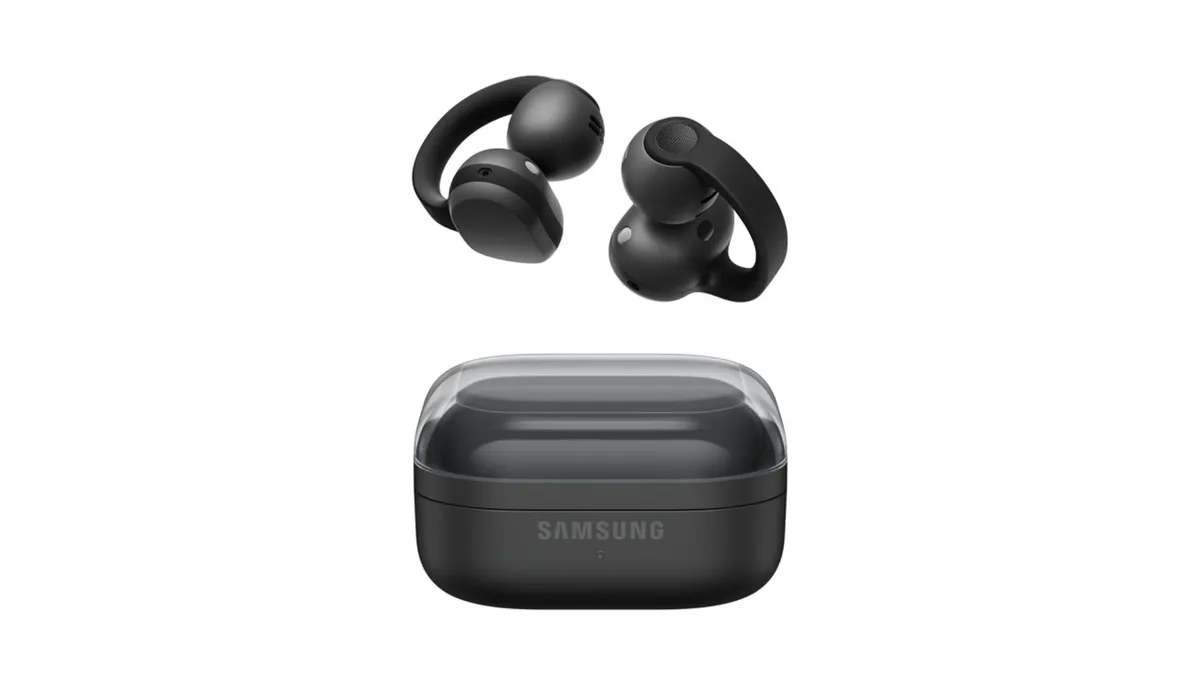
Samsung has set a date and a price for its first move into the clip-on format: the Galaxy Buds On arrive in South Korea on October 27 in black for 299,000 won, roughly $220 at the current exchange rate. The company has not yet said when it will take them worldwide, though it has confirmed that it will.
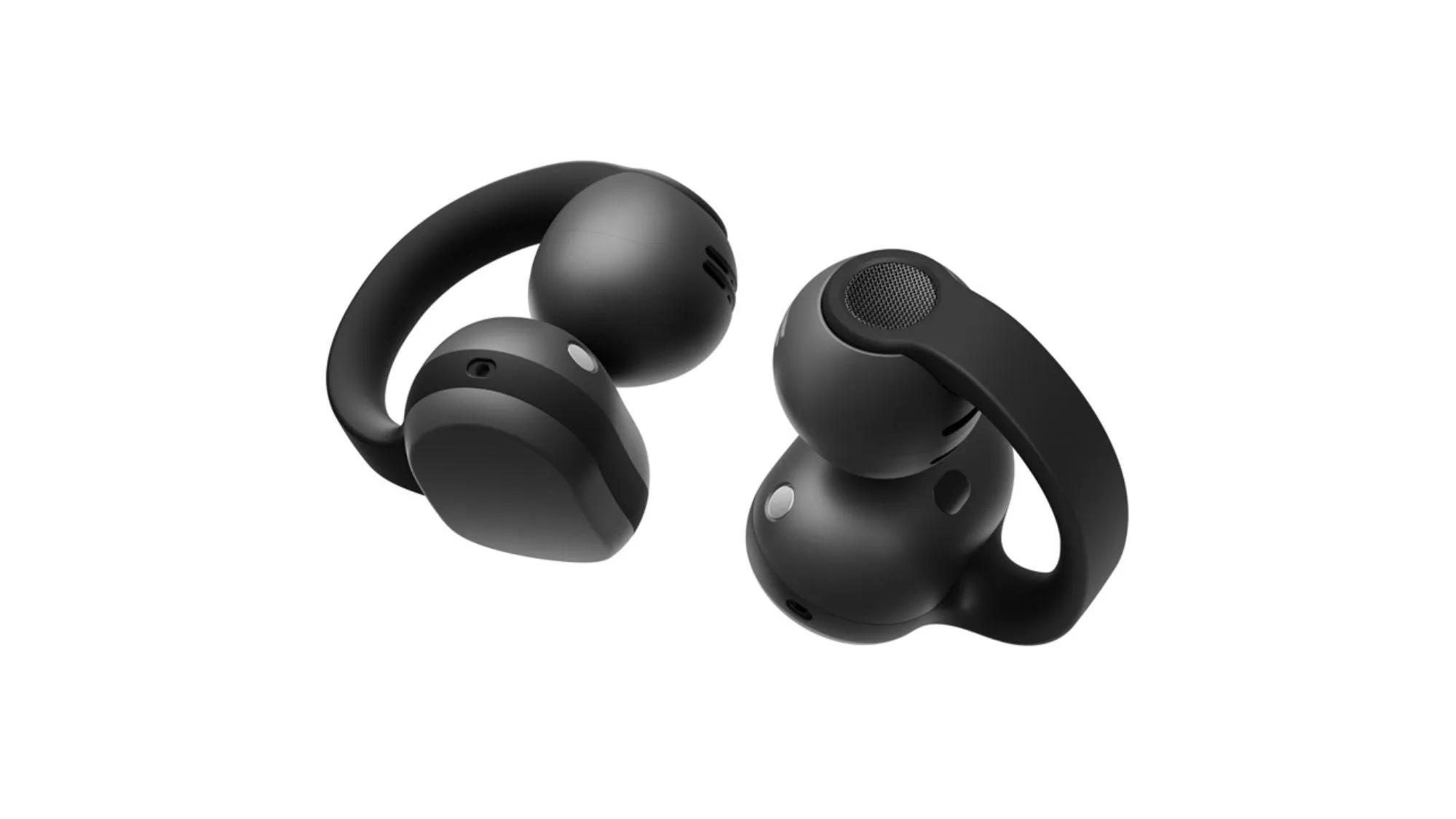
They are Samsung’s first earbuds that do not go inside your ear. They clip on the outside and leave the ear canal completely open, a decision that changes the experience entirely compared with conventional wireless earbuds.
A design that gives up isolation on purpose
The clip attaches around the outside of the ear, so the isolation is not comparable to that of traditional closed earbuds. That is, in fact, the goal of the format: listen to a podcast while running and still hear the bicycle coming up behind you, or keep some music going at the gym without tuning out your surroundings.
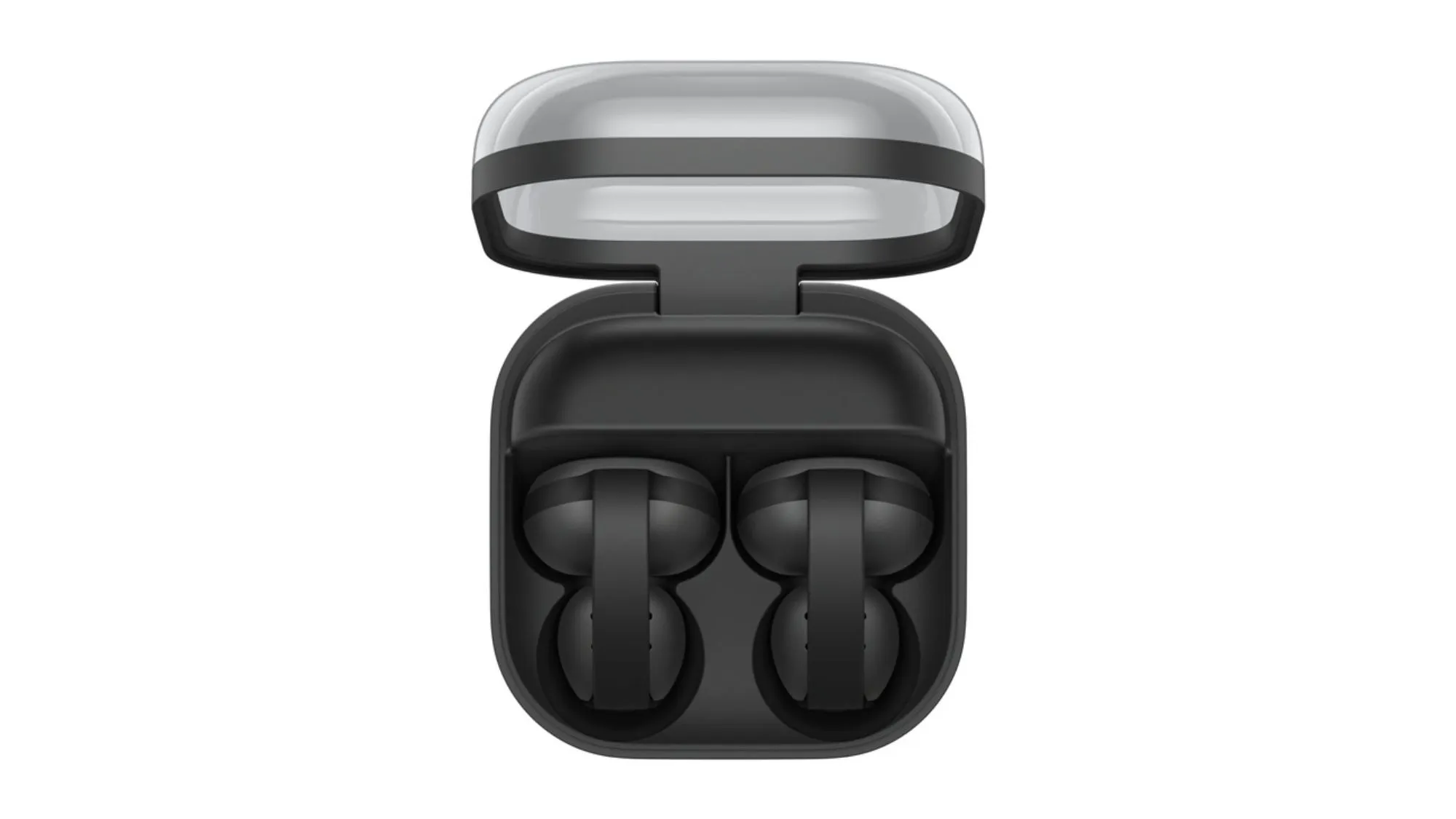
Samsung says it studied different ear shapes to decide where to place the speaker and the battery, and that it widened the part in contact with the ear to spread out pressure. The flexible band has also been tuned so the earbuds stay put while you walk or work out. SoundGuys itself warns that no two ears are alike, so real comfort will have to be checked with the product on. The controls are simple: just tap the back of each earbud to pause a song or answer a call.
The open-sound challenge: leakage and volume
Open earbuds have an obvious problem: if you can hear the outside world, the outside world can hear what you are playing too. Samsung says it has developed an audio leakage reduction system specifically for that point. If it works as promised, it should be possible to listen to music in a coffee shop, a library or on a quiet flight without sharing your playlist with the person sitting next to you.
The manufacturer also combines a speaker system it calls TwinBoost with automatic volume adjustment that reacts to the surroundings. In practice, that could mean less fiddling with the volume by hand when you move from a quiet room onto a noisy street.
Battery, microphones and Galaxy AI
The Buds On use Qualcomm’s Snapdragon S7 Gen 1 Sound Platform with a Class-D amplifier, and Samsung claims up to 9.5 hours of continuous music playback per charge. That is a reasonable figure for an open design, though it is worth remembering that it is a manufacturer’s figure and not an independent measurement.
For calls, they pack three microphones and a voice pickup sensor that detects vibrations when you speak. With the help of machine learning, the system separates your voice from background noise during a conversation.
As you would expect from Samsung earbuds, there are extras for anyone already using a Galaxy phone. Paired with a Galaxy AI-compatible device, they allow certain tasks without taking the phone out of your pocket. Gemini Live is integrated too, so a conversation with Google’s assistant can be carried on through the earbuds; that makes sense when you are cooking, working out or walking with your hands busy.
Pricing and availability of the Galaxy Buds On
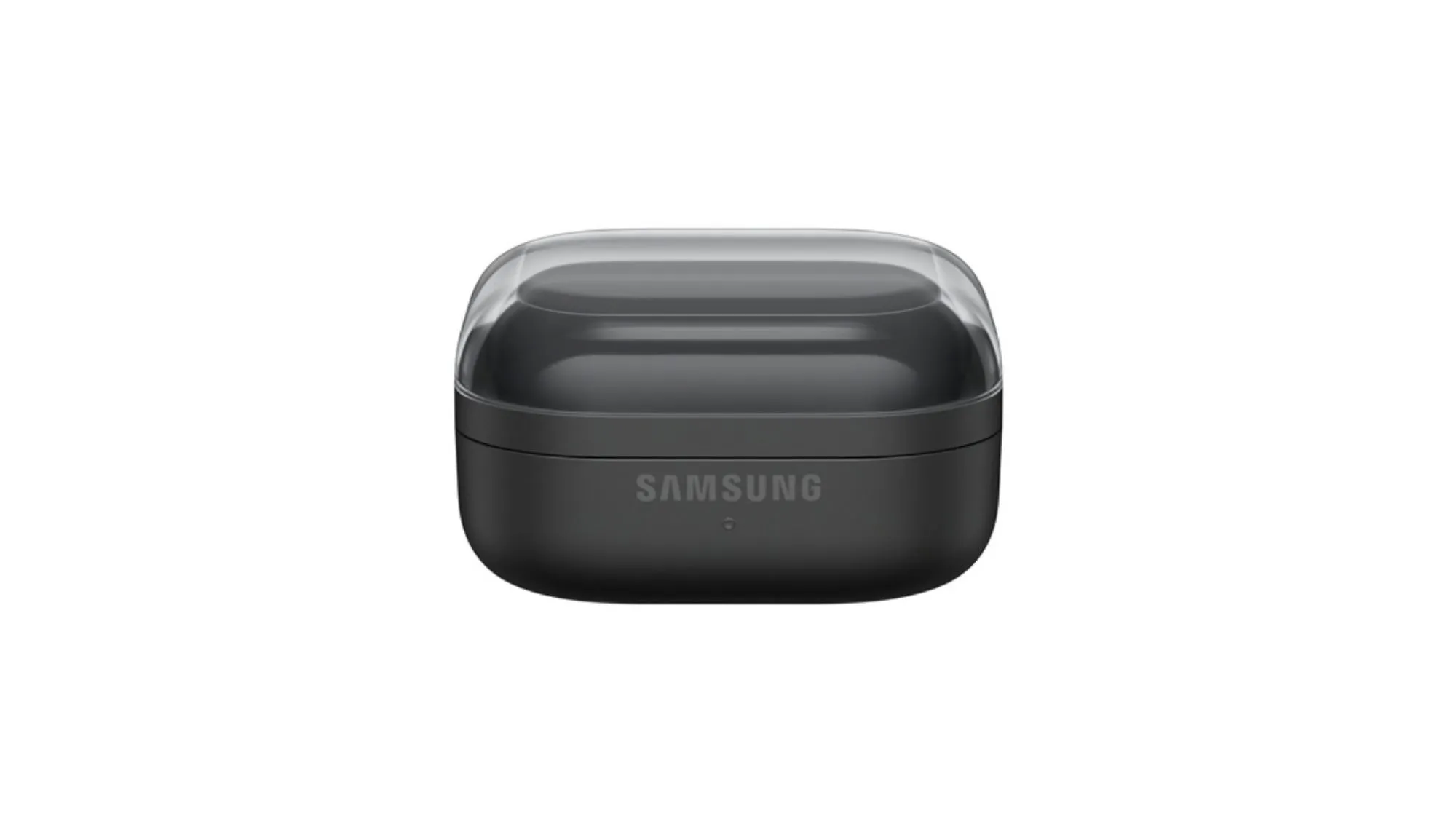
Then there is the fine print. The launch is limited for now to South Korea, in black, from October 27 for 299,000 won (around $220), with no date for the rest of the world.
The Buds On land in a category that is still small compared with traditional wireless earbuds, but one with established rivals such as the Sony LinkBuds Clip, the Shokz OpenDots One and the Bose Ultra Open Earbuds. Samsung’s entry could give the segment another push, especially among Galaxy users looking for something that fits into their ecosystem.
Is it worth the wait? Based on the available data, the answer depends on three things that cannot be measured yet: how they sound, how well the comfort holds up after several hours, and whether the leakage reduction truly delivers. Samsung has put a coherent proposal on the table for anyone who prioritises still hearing their surroundings; confirmation will arrive with the first tests.