
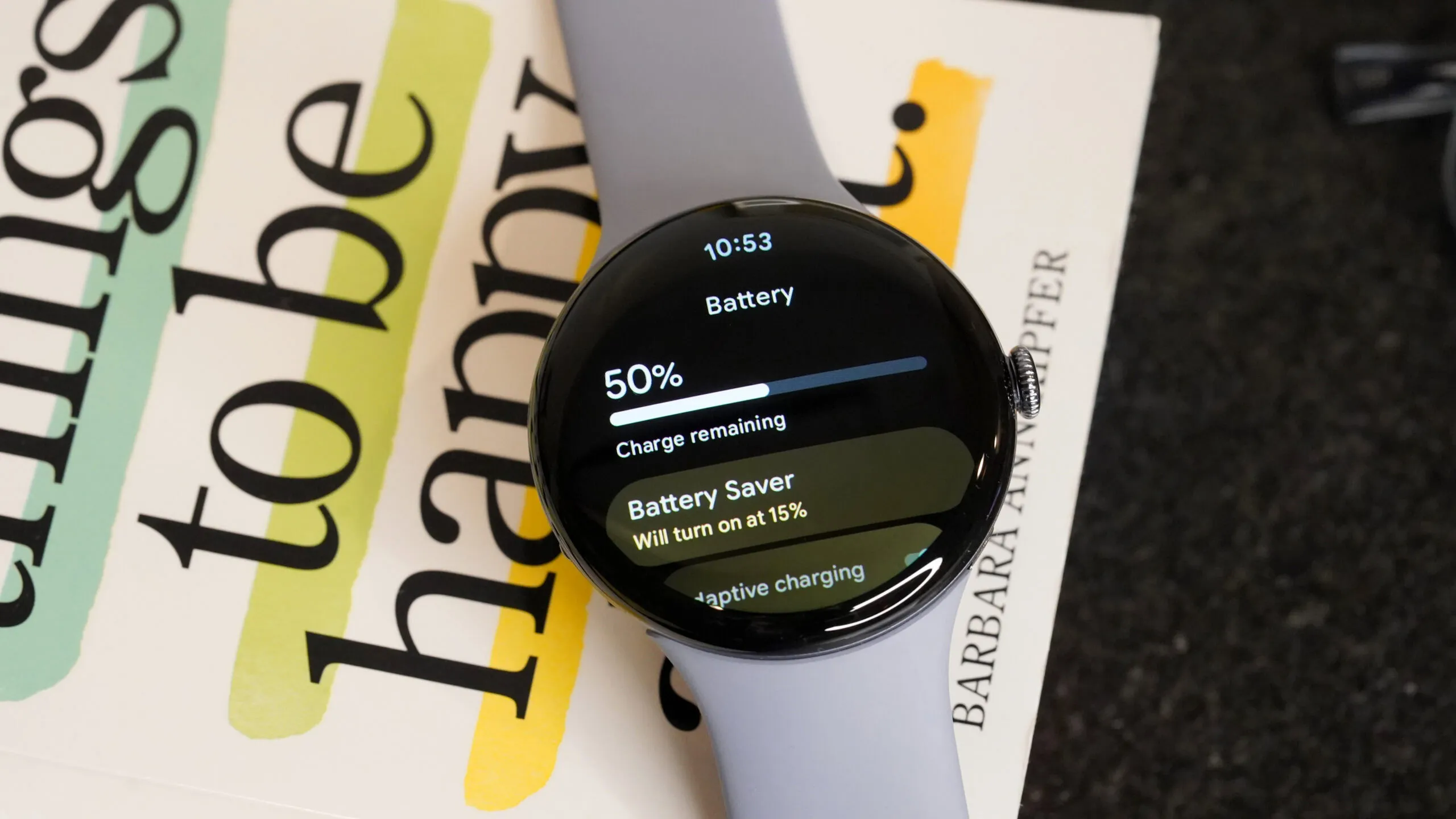
Google fixes the Pixel Watch battery drain through the Play Store
Google is rolling out the fix for the Pixel Watch battery drain through app updates in the watch's Play Store, not through Wear OS.
Every Wearables story published on TechSpain24, newest first.
Google is rolling out the fix for the Pixel Watch battery drain through app updates in the watch's Play Store, not through Wear OS.
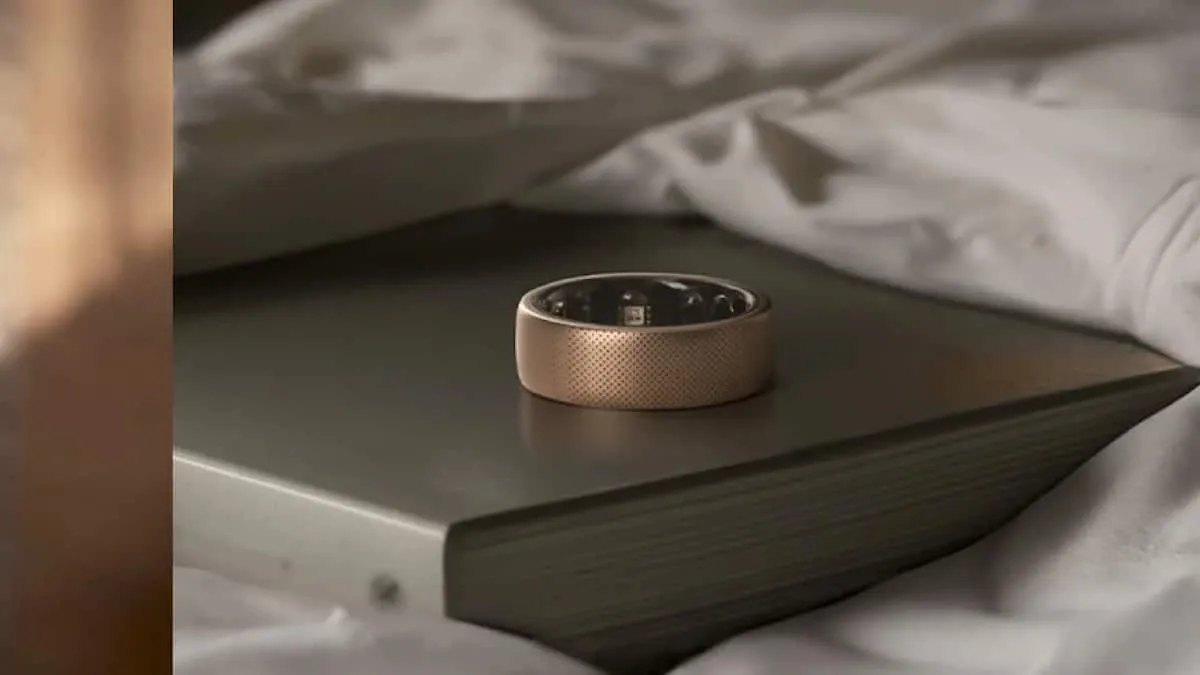
The Amazfit Helio Ring receives HybridCharge and activates pulse and stress tracking by default. What changes with version 2.9.0.1 and how to check its arrival.
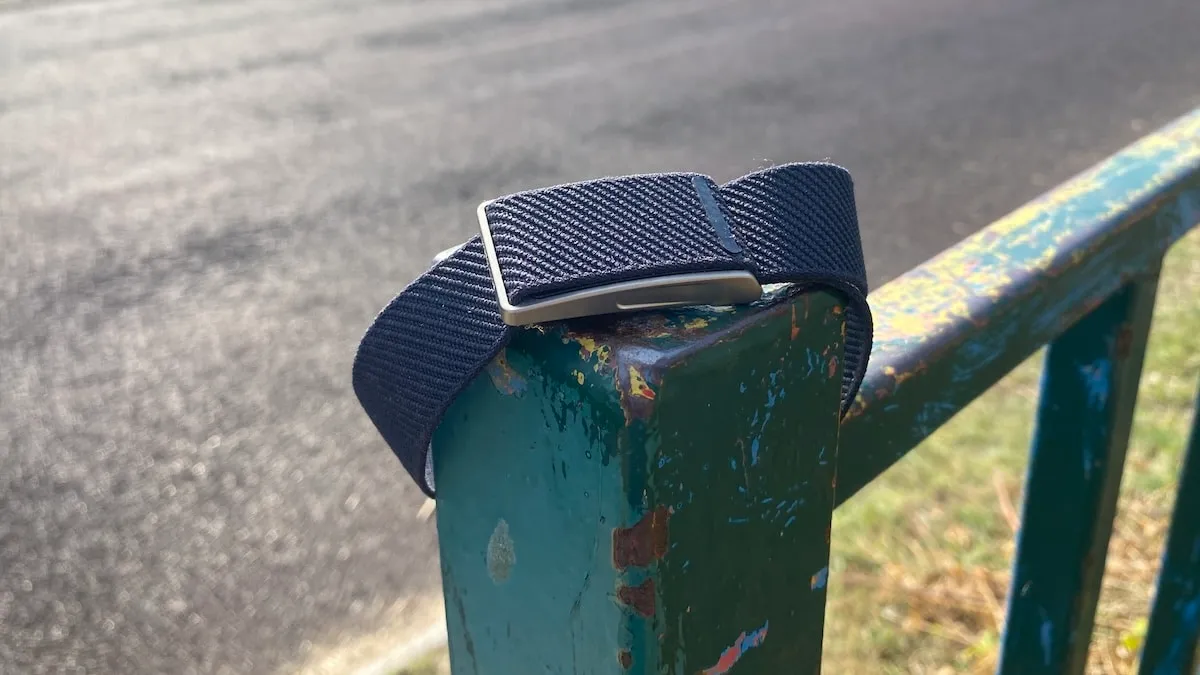
Speediance Strap Pro adds EDA stress tracking with firmware 1.0.1. What improves, which app is recommended, and the warning about battery life.
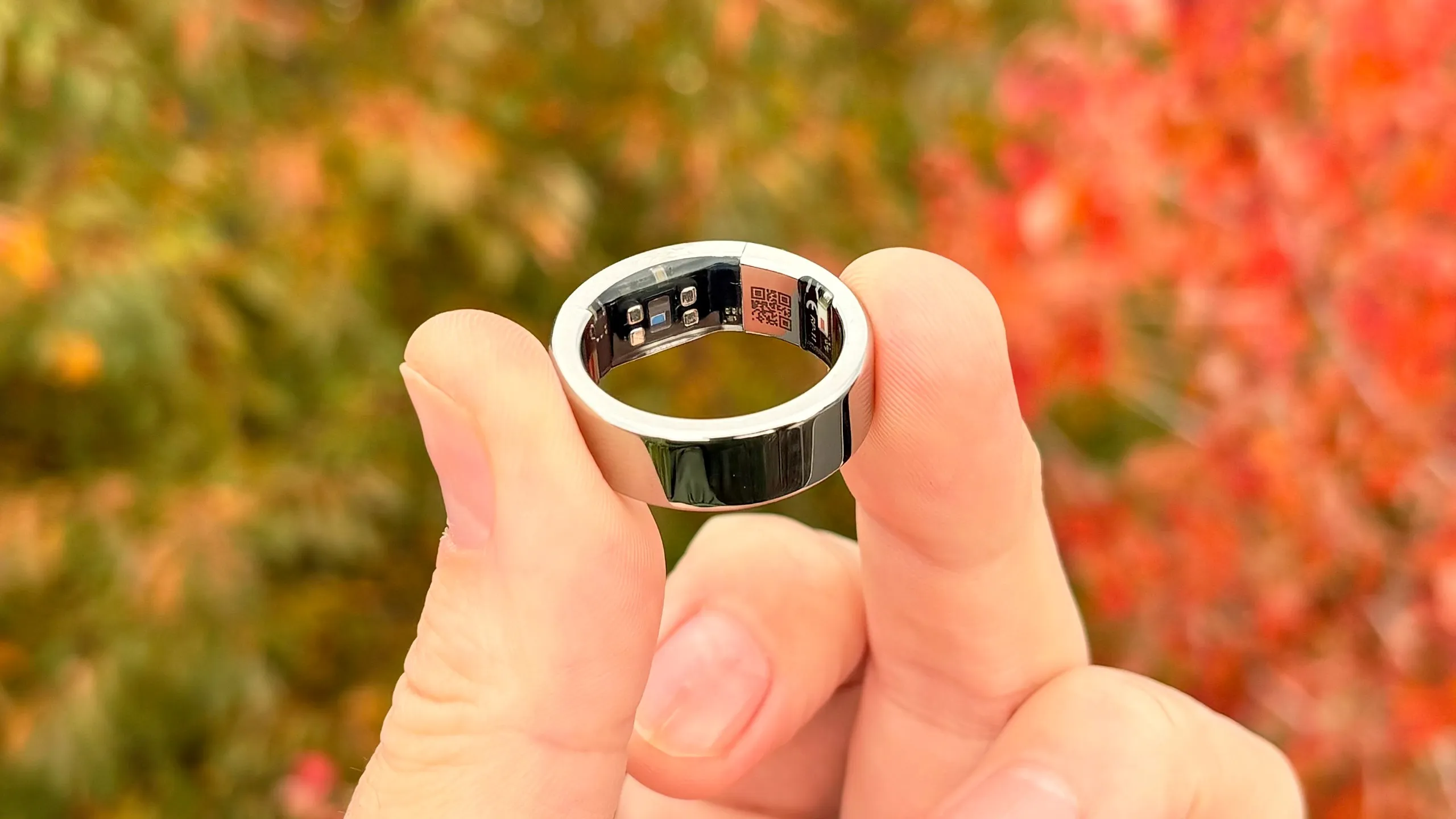
Ultrahuman Ring Pro reaches US stores for 479 dollars with a charging case: core features without a fee and a claimed battery life of up to 15 days.

According to Android Headlines, Even G2 V2.4.0 stores conversations and documents to give context in meetings. What stays in beta and what happens to your data.
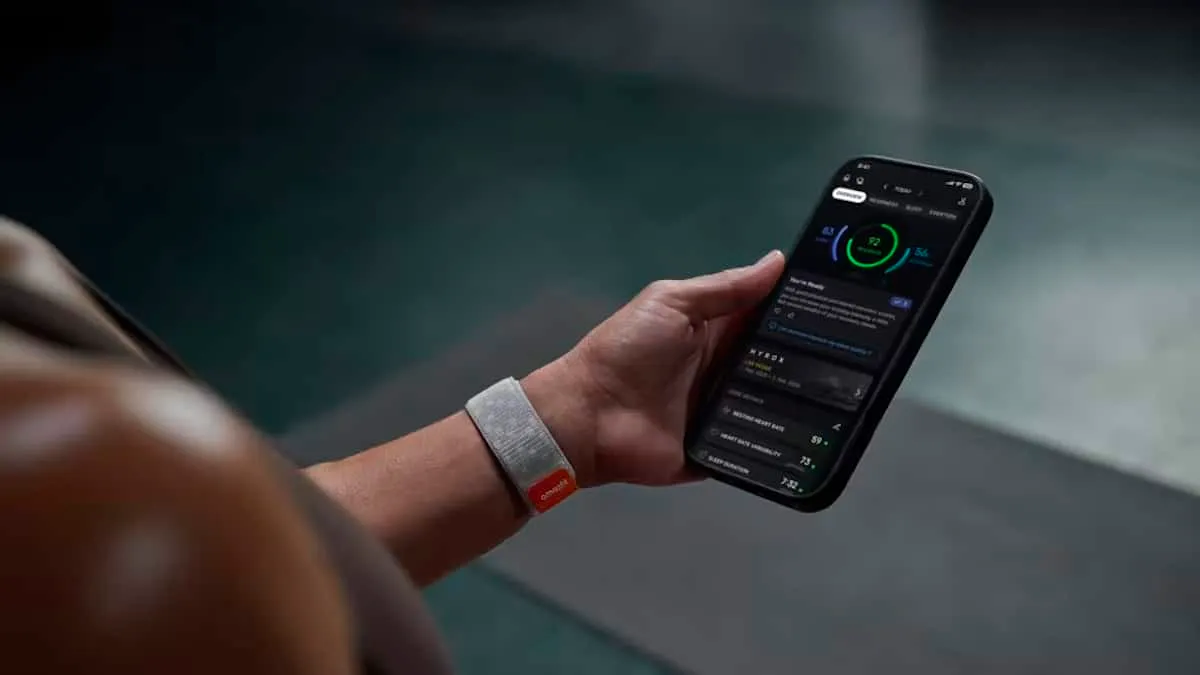
OpenStrap, an unofficial Android app, makes the Amazfit Helio Strap vibrate for calls and notifications; Zepp only uses it for basic alerts.

Oura adds weekly cardiovascular load and tests automatic VO2 max in Labs. What each feature measures and which activities it needs to provide an estimate.
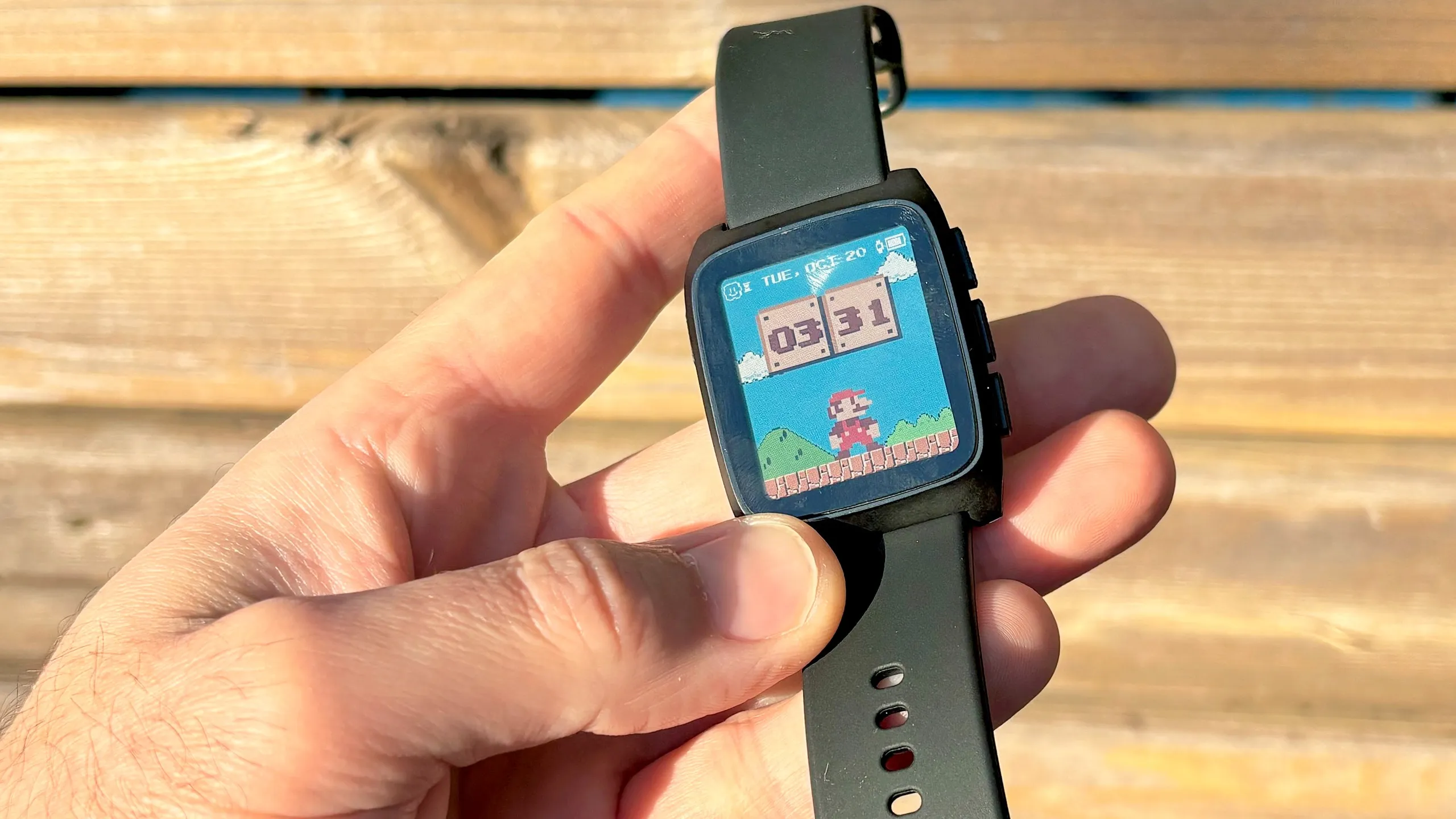
Hands-on with the Pebble Time 2, a $225 e-ink watch with open PebbleOS, games and up to 30 days of battery life.
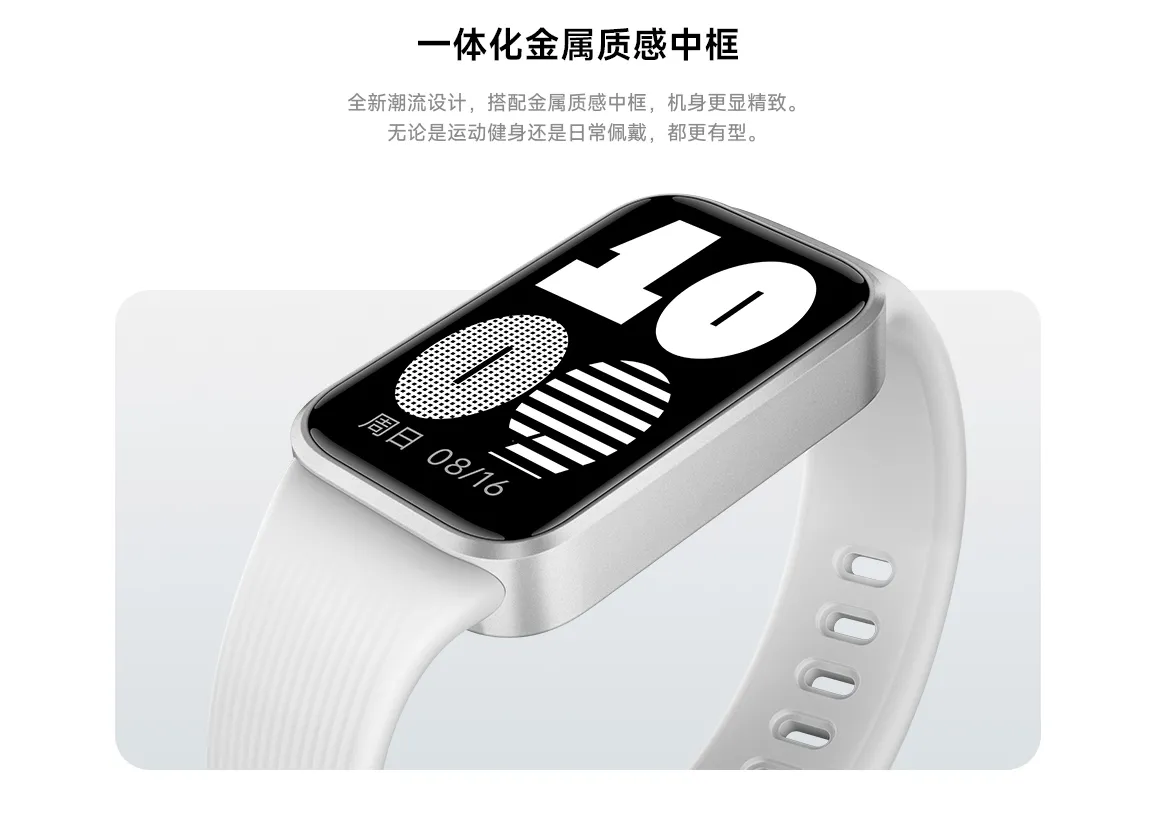
The REDMI Band 4 launches in China for 169 yuan. Battery life drops to eight days with regular monitoring, according to information published by the press.
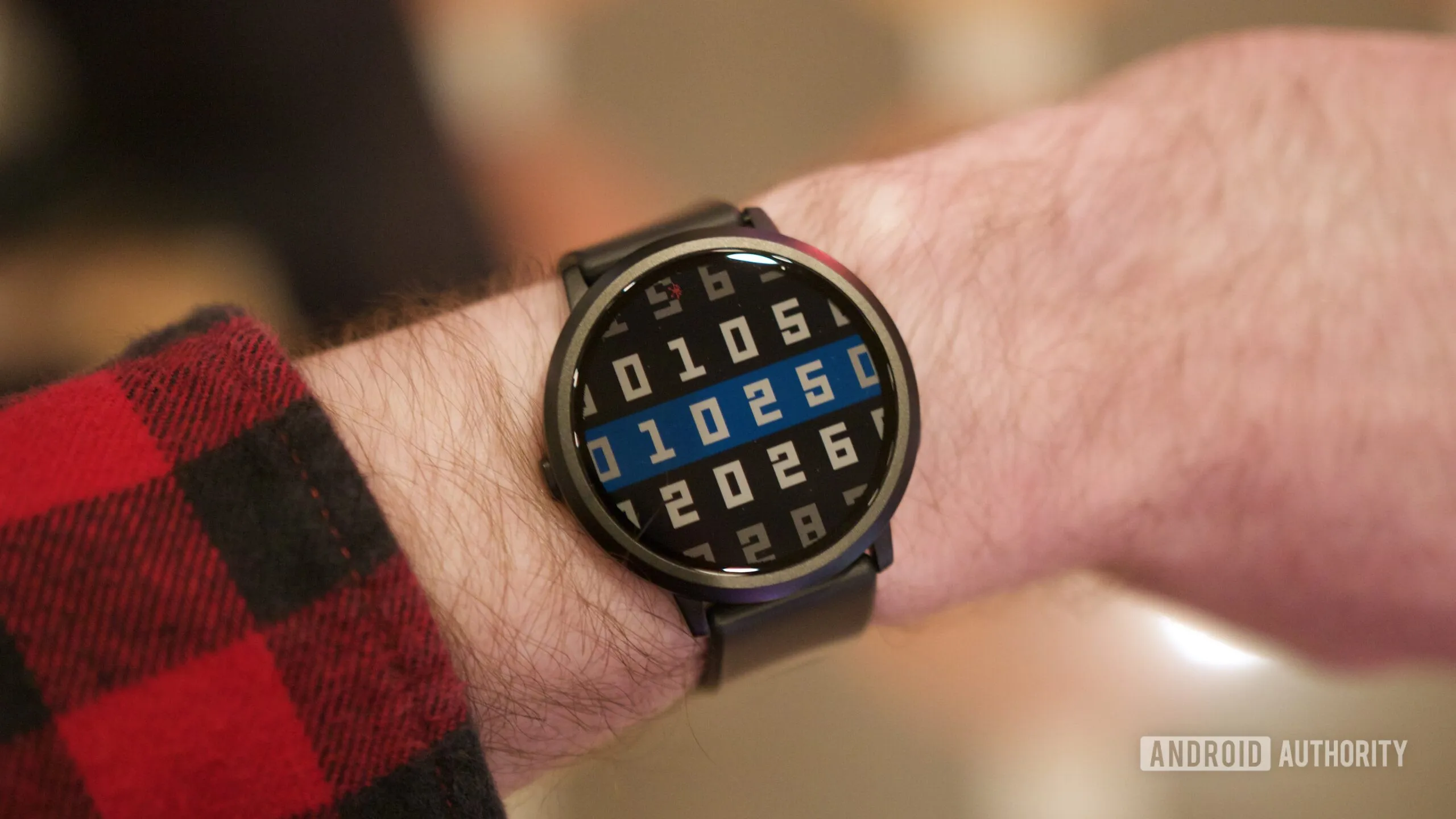
The Pebble Round 2 is shown in a video after months of real-world use: 8.1mm thickness, very comfortable on the wrist, and battery life ranging between 5 and 14 days.
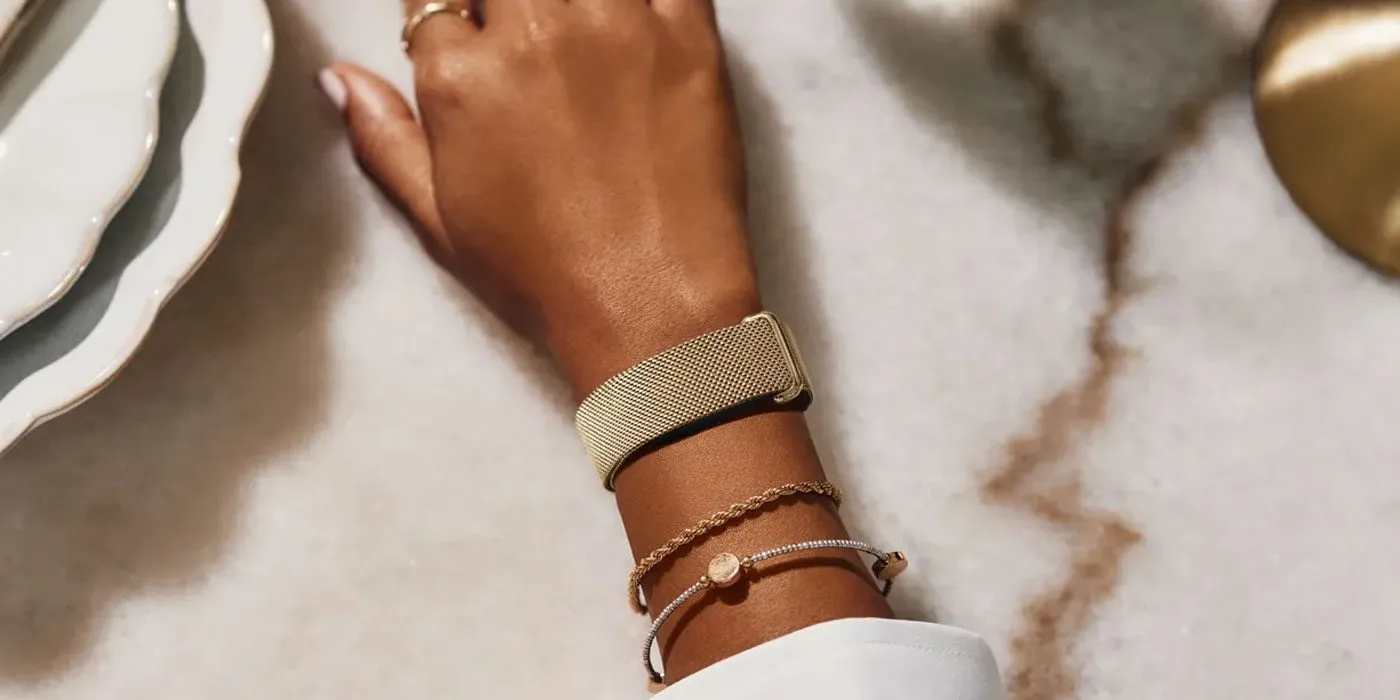
Google puts a Metal Mesh band for the Fitbit Air on sale for $69.99 and overhauls automatic tracking, which goes from detecting 10 sports to more than 100.
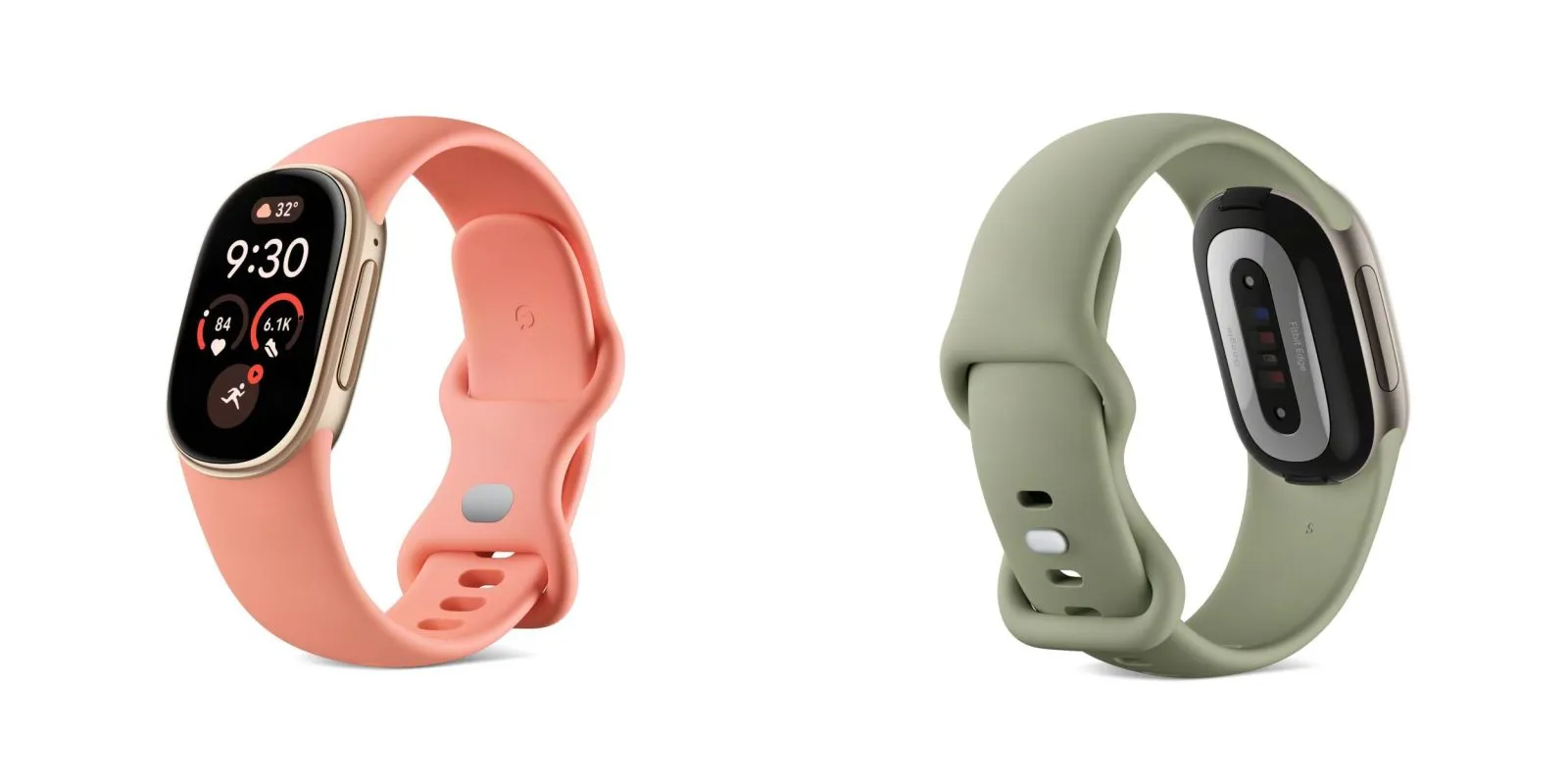
Google confirms the Fitbit Edge, a smartwatch with a screen that adds more precise GPS, ECG and seven days of autonomy. It can be opened to replace the battery.
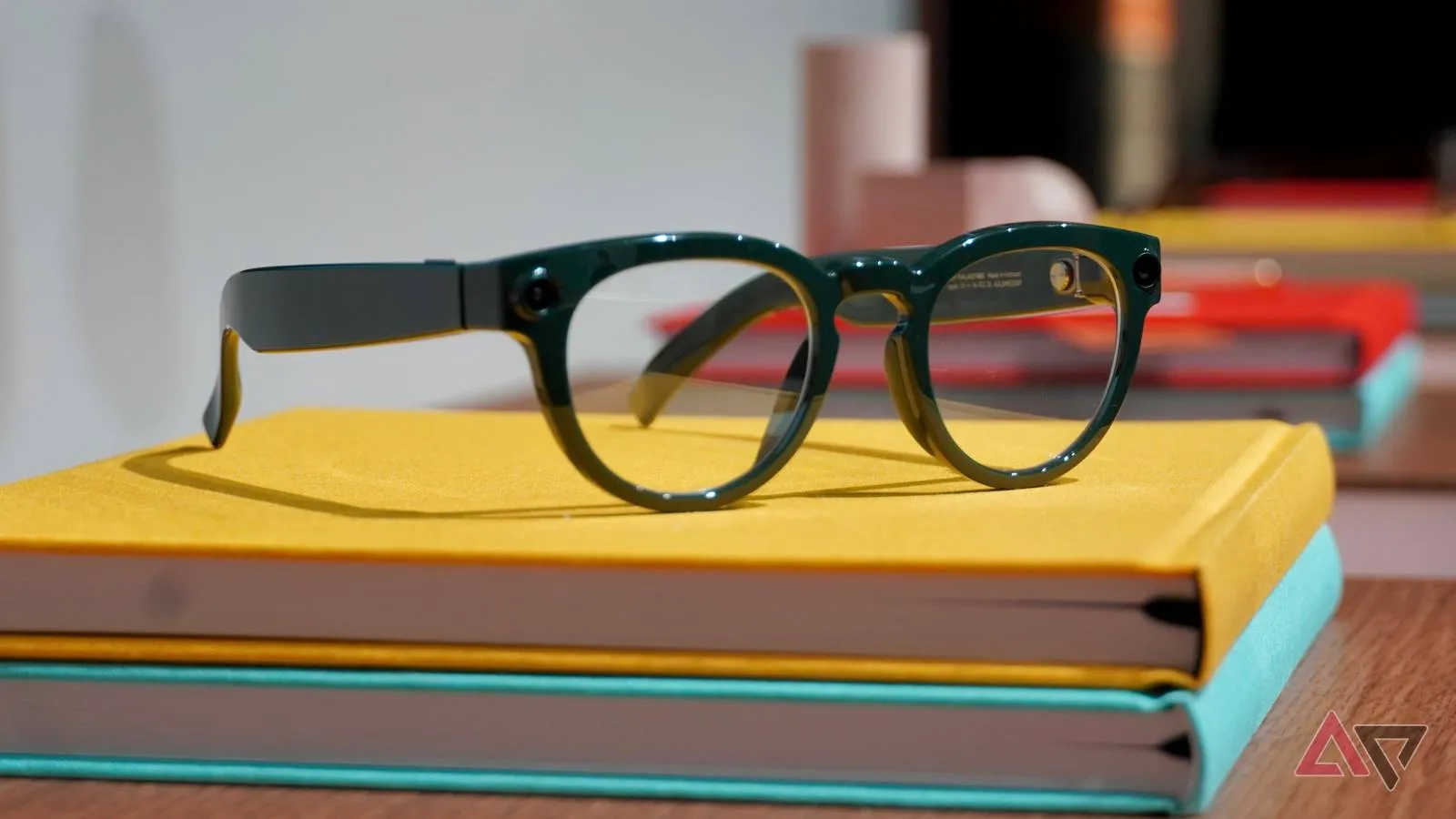
A leak reveals the weight, Snapdragon AR1 processor, camera and all frames of Samsung’s smart glasses, which are expected to arrive in November without a confirmed price.
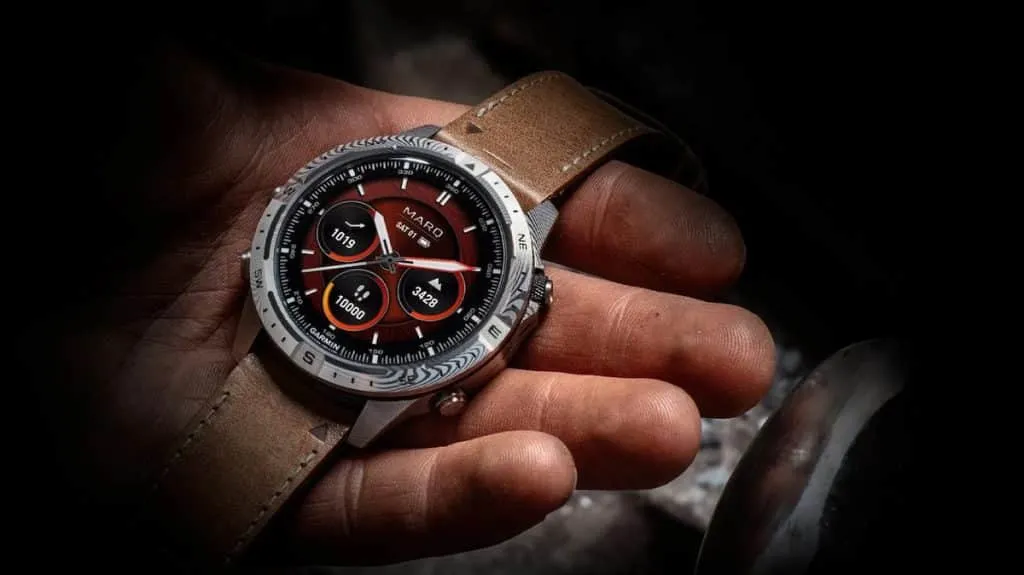
Garmin's Spanish help pages already mention a MARQ Gen 3 that the company hasn't announced, just four years after the arrival of the MARQ Gen 2.
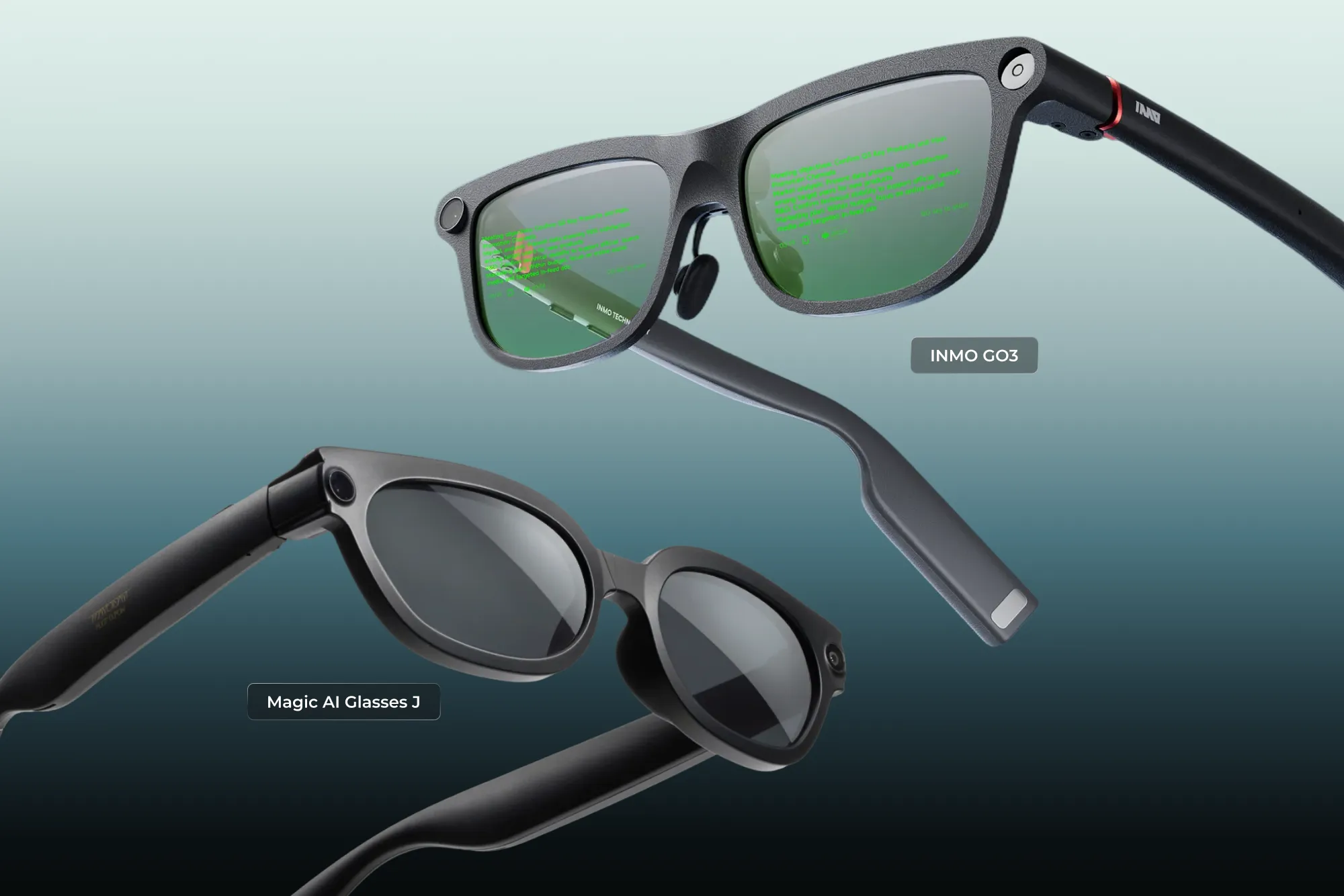
INMO separates its two smart glasses: the GO3 bets on a binocular screen and translation in 98 languages; the Magic AI Glasses J, on lightweight design and POV camera.
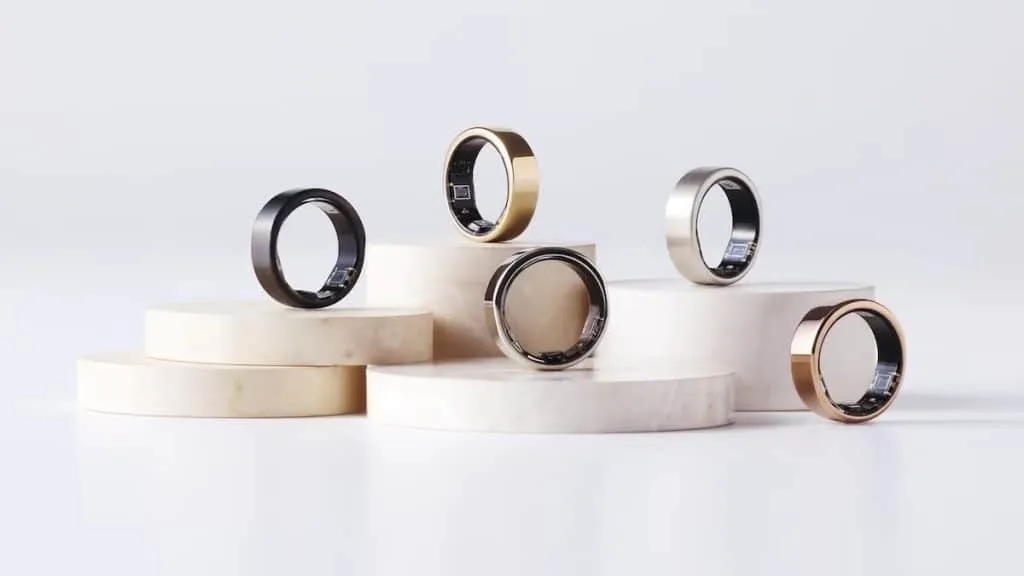
SOXAI launches the Ring X on Kickstarter, a 5.19mm ring with up to 10 days of battery life and a subscription-free app, while negotiating its international expansion.
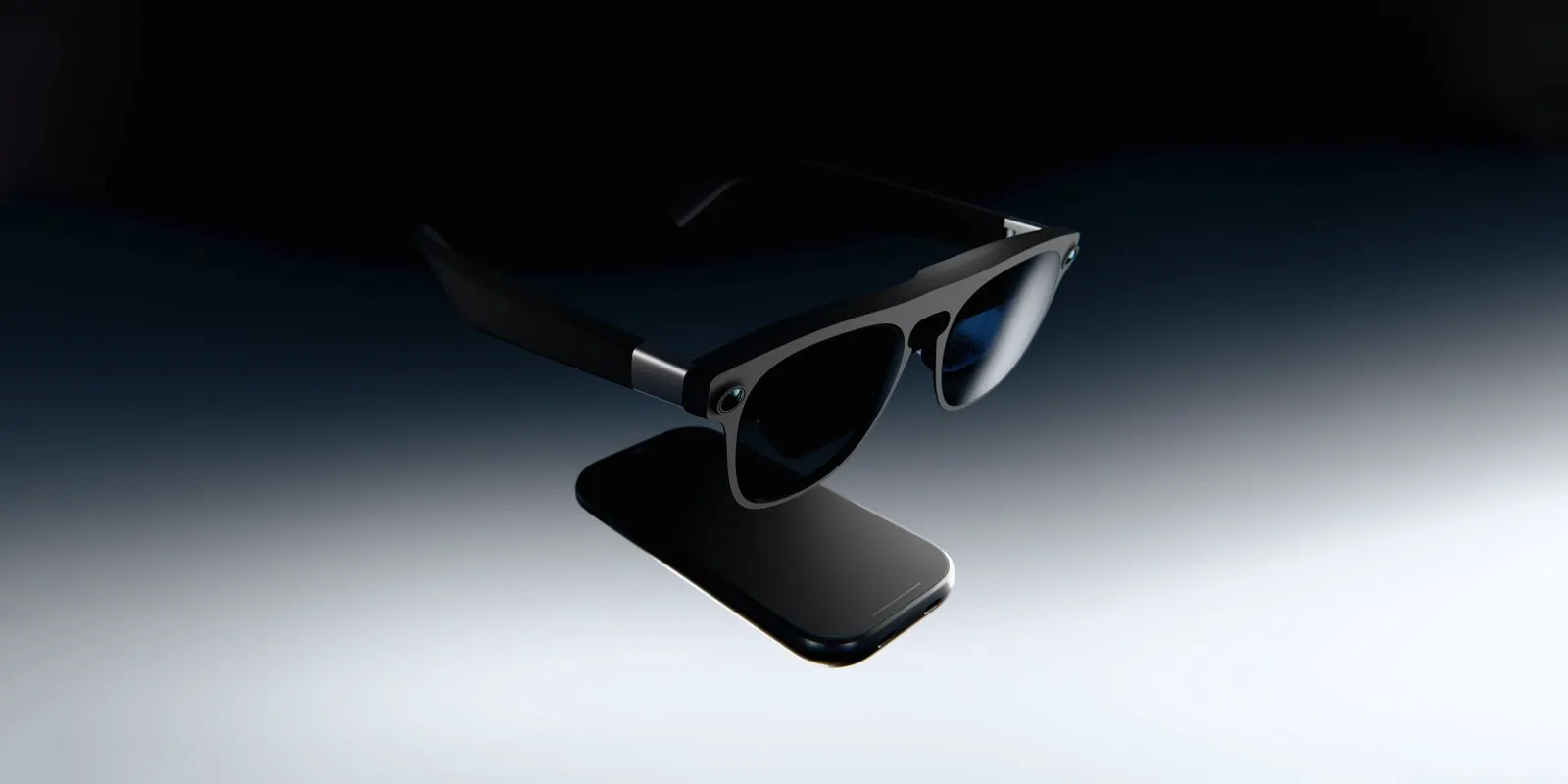
XREAL prices the Aura, its first Android XR glasses: from $1,279 in the US, with an external module that adds battery and power.
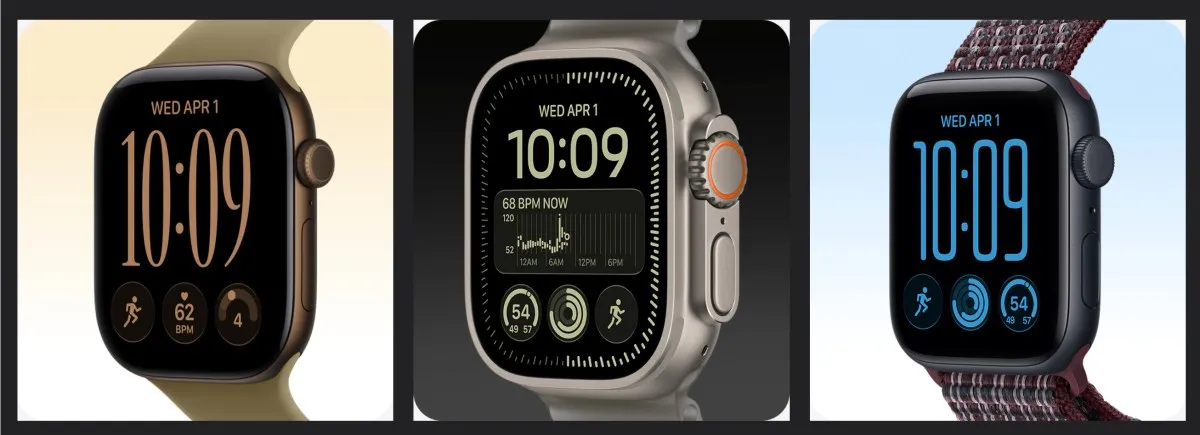
Judge James Selna rejects Apple’s appeal and raises its oximetry patent bill for the Apple Watch to $818 million, on top of a 2025 verdict.
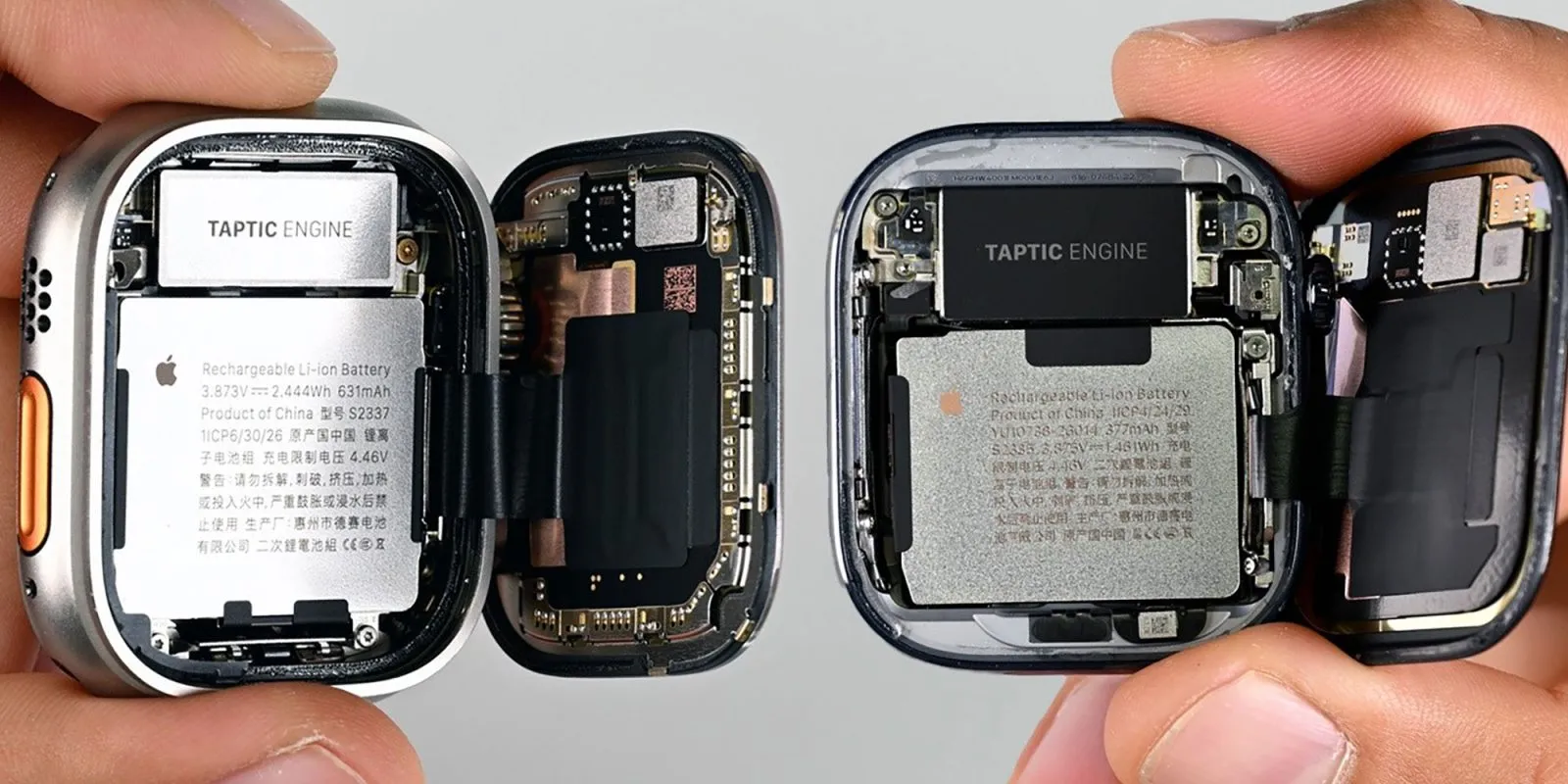
iFixit scores the Apple Watch Series 12 and the Ultra 4 at 4/10 each: the new stretch-release adhesive helps with the battery, but the glued display remains the biggest obstacle.
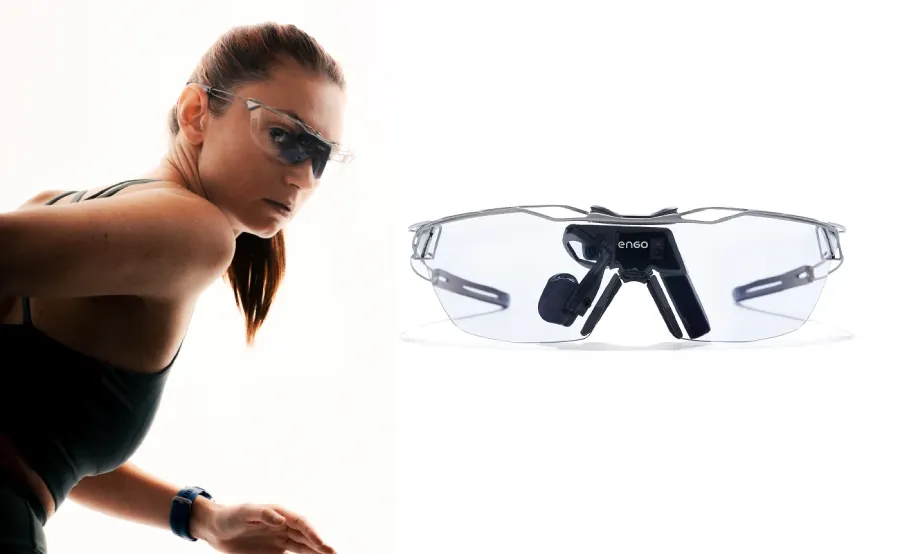
ENGO unveils the engo Titanium, 28.9-gram augmented reality glasses with a sunlight-readable heads-up display and 24-hour battery life for runners and cyclists.
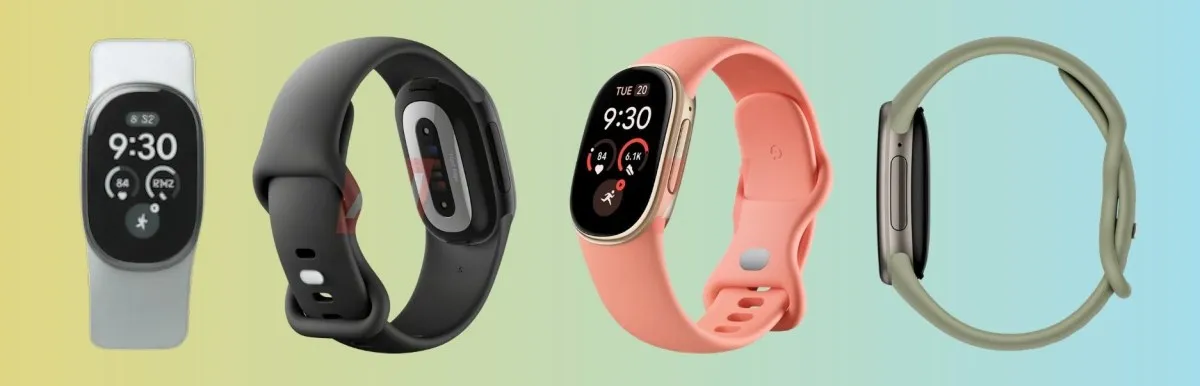
A leak reveals the Fitbit Edge price in Europe and the UK, its four colours and most of its spec sheet, with Gemini-powered coaching. Google has not confirmed it.
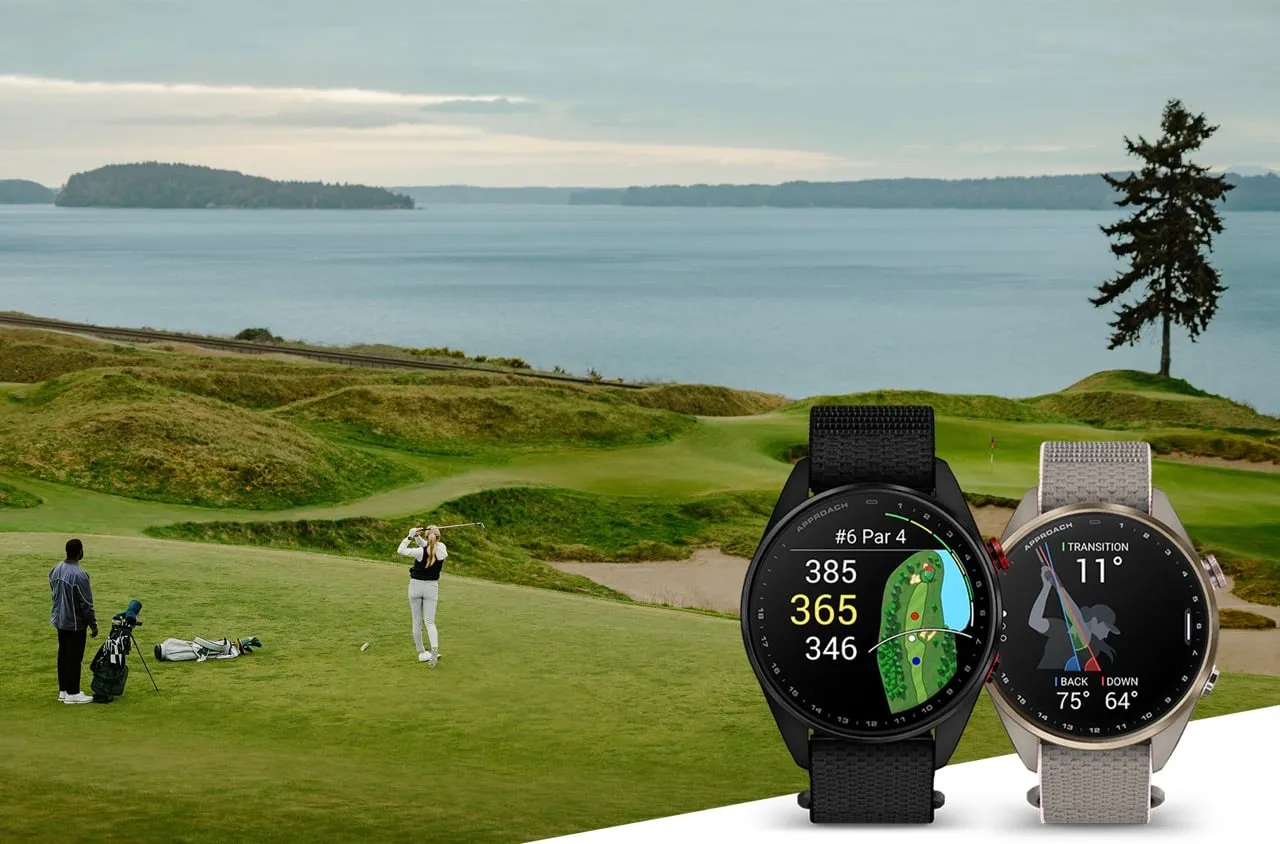
Garmin's new golf flagship tracks your swing from the wrist, adds a speaker and mic, and promises up to 16 days of battery — from $799.99.
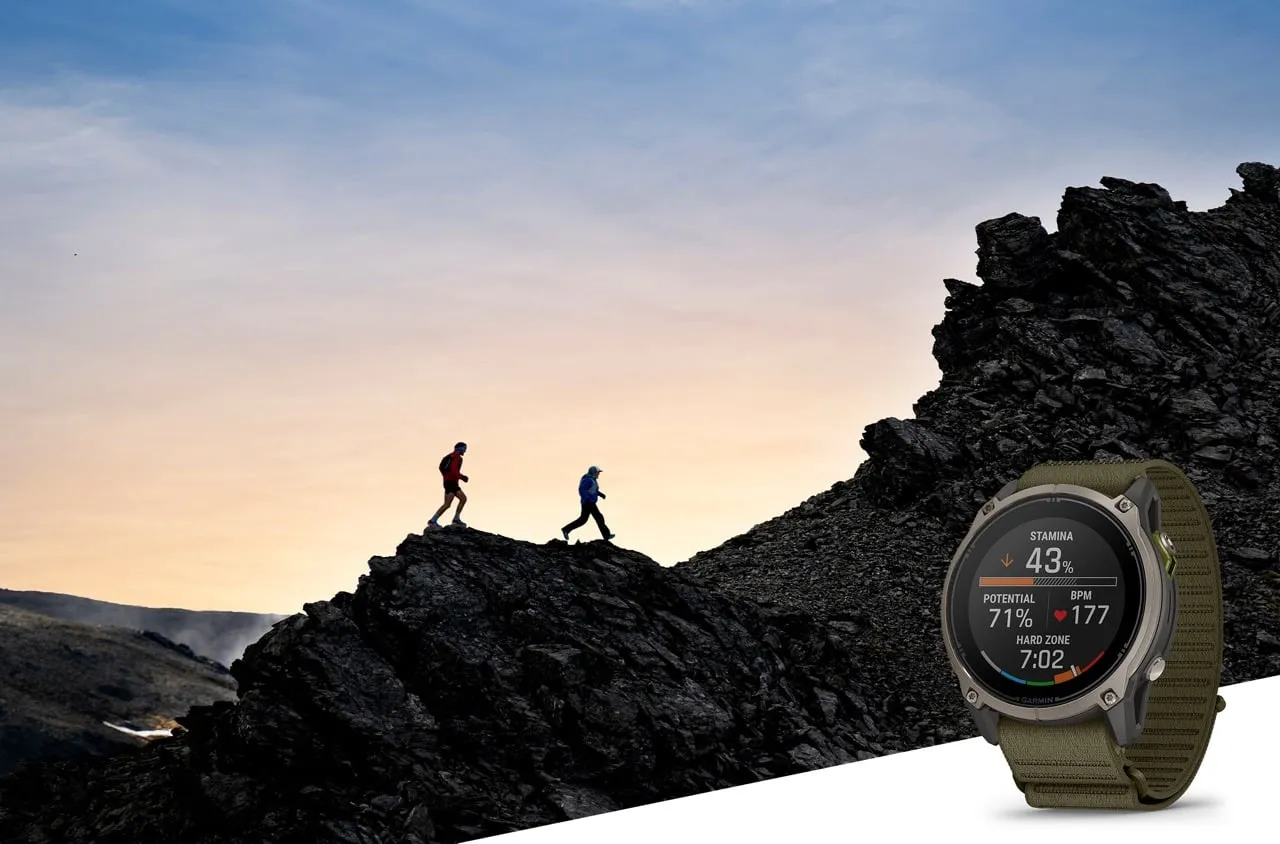
Garmin unveils the Enduro 4, its longest-lasting solar GPS watch: up to 320 hours in activity mode, 64 GB of storage and new grade-adjusted training metrics.

Norway's government plans a temporary ban on camera-equipped smart glasses in schools, beaches and gyms over the risk of covert recording.

Pimax unveils the Crystal Pro, a PC virtual reality headset that debuts native foveated streaming and an optional 60 GHz kit to cut out video compression.
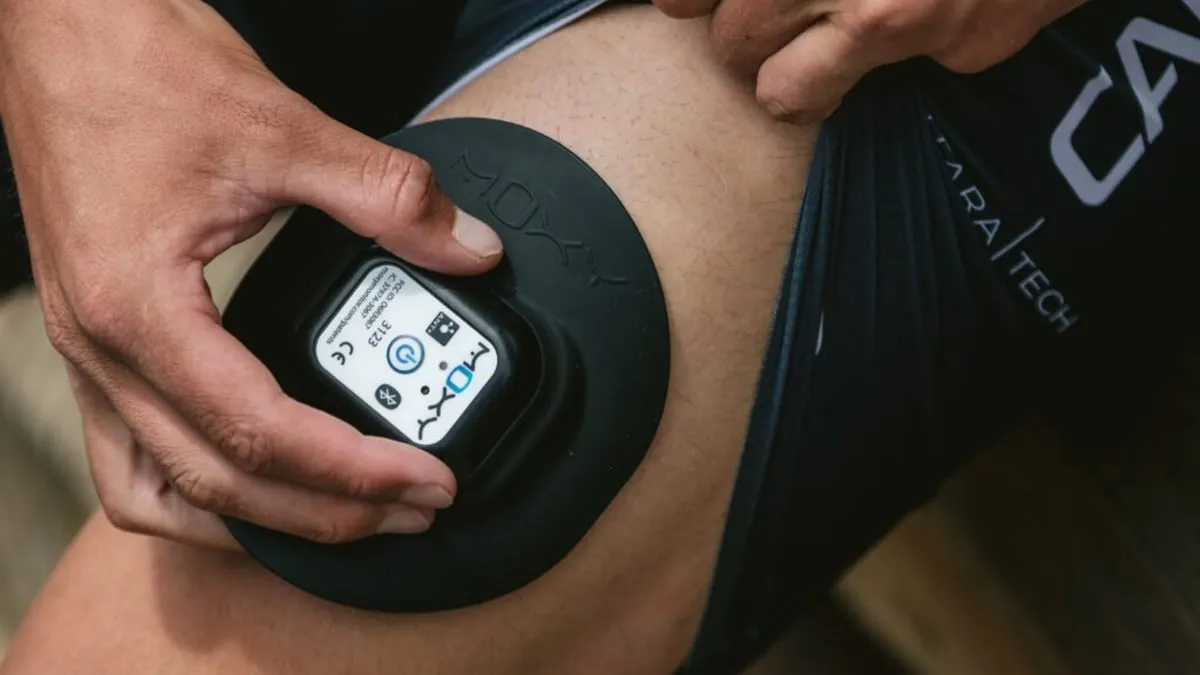
Garmin buys muscle-oxygen specialist Moxy Monitor and brings localized fatigue tracking closer to its watches. It has already trademarked 'Muscle Battery'.
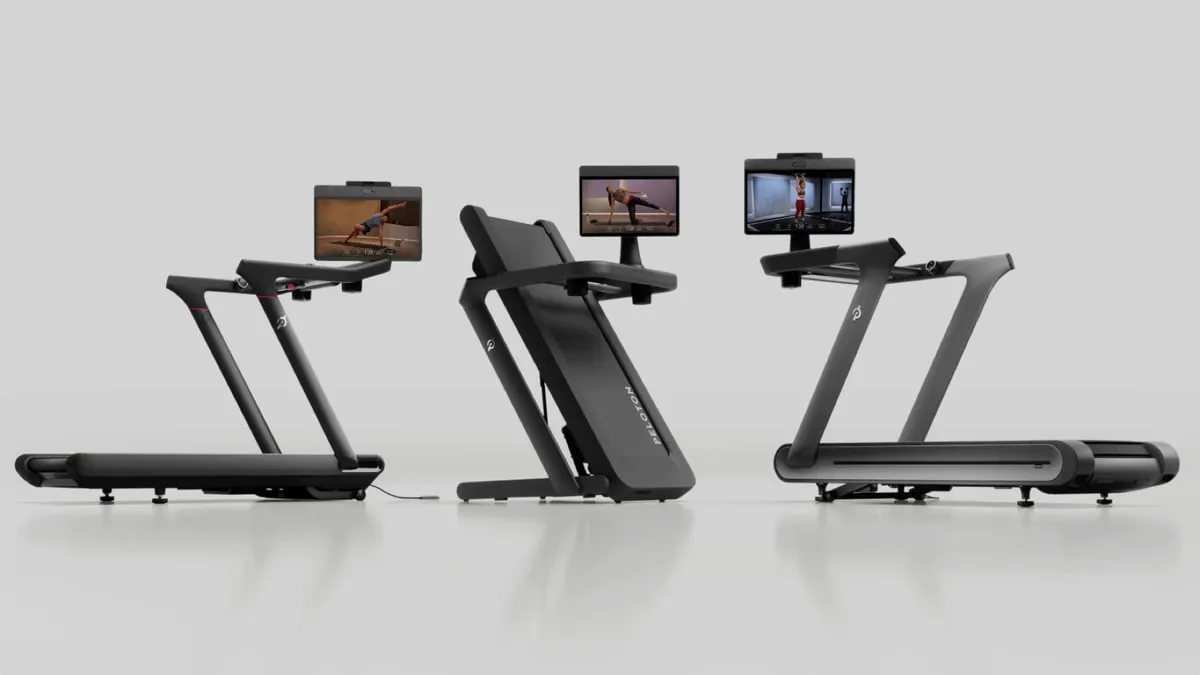
Peloton's new treadmill lineup is led by the foldable Tread Flex, adds form analysis on the Tread Vision and brings two-way Whoop sync for strain and recovery.
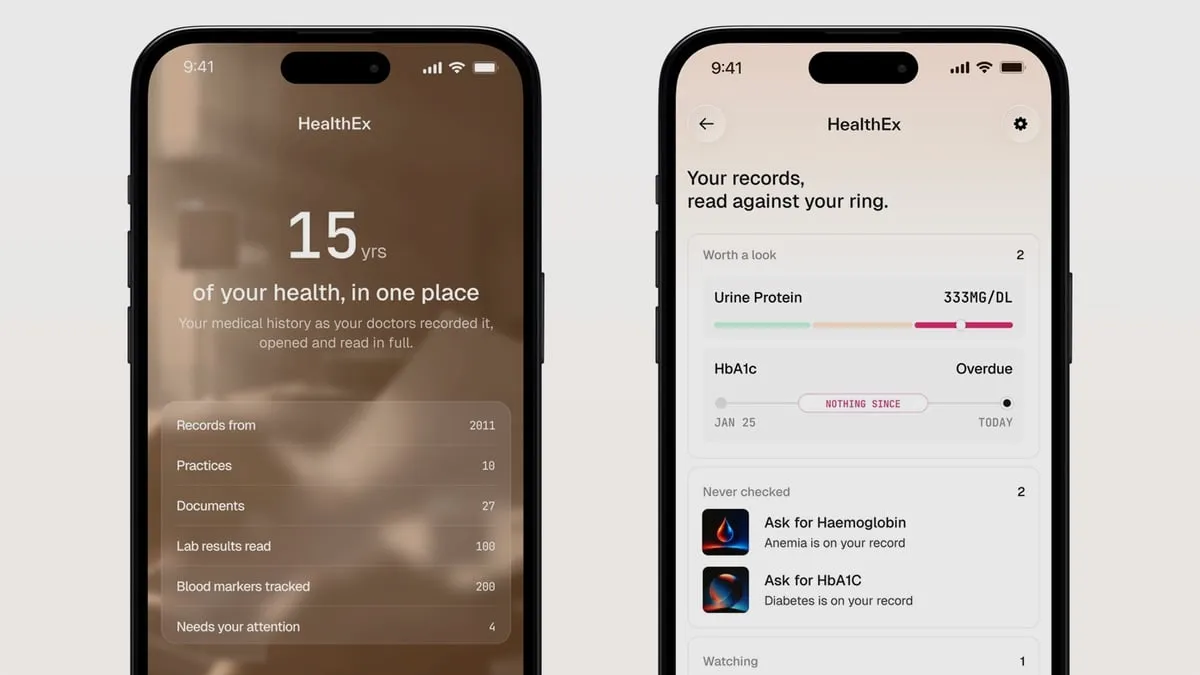
Ultrahuman's new feature cross-references your medical records with the pulse and sleep the ring tracks, and flags overdue tests and check-ups.
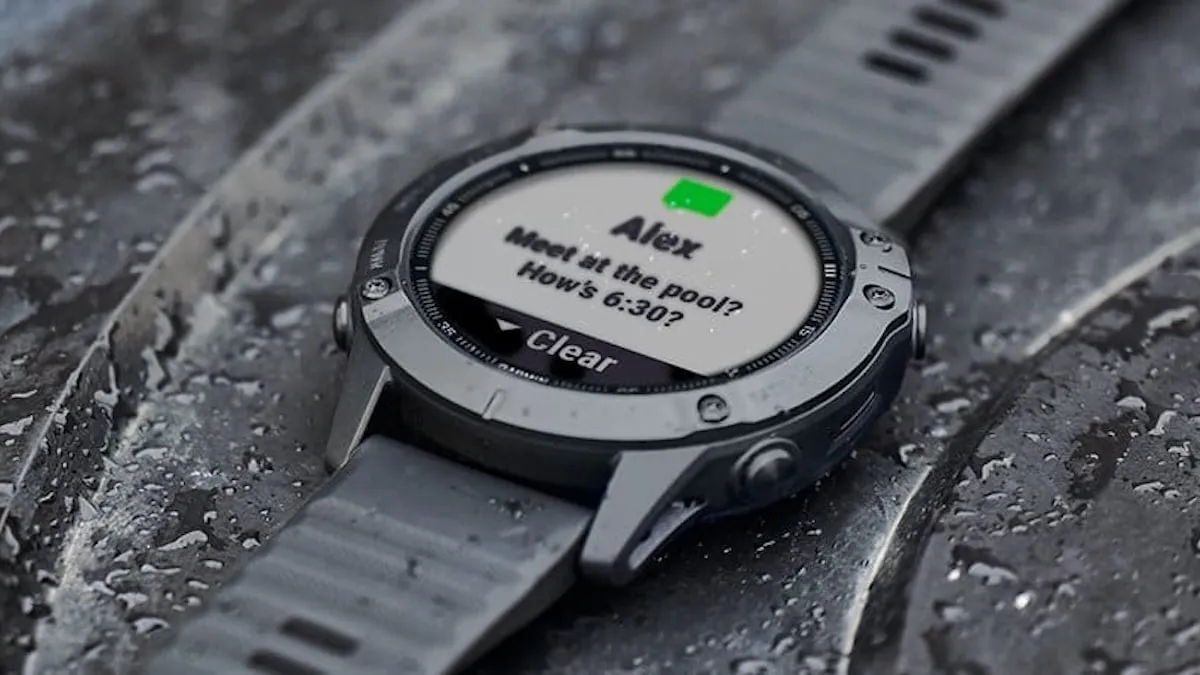
Garmin releases Fenix 6 beta 29.02, nearly 18 months after the previous version, to fix race predictions that returned implausible times.
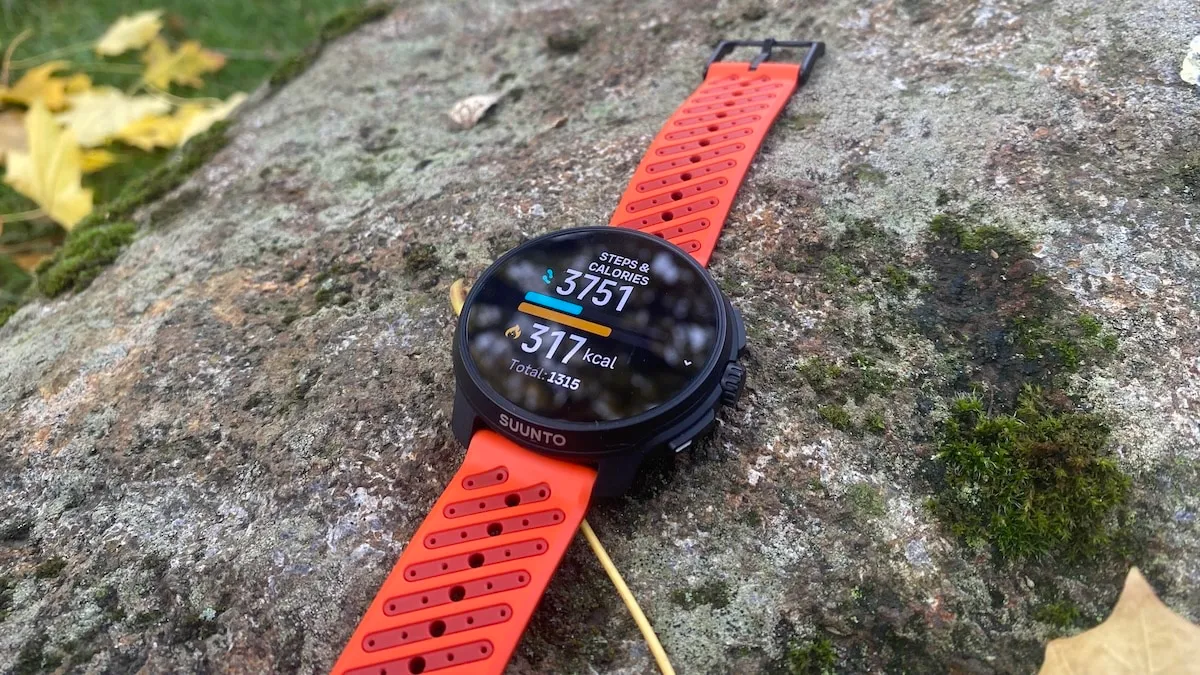
An unconfirmed leak paints the Suunto Race 3S with sapphire, 2,000 nits and up to 45 hours of GPS, launching on October 15 for $499.
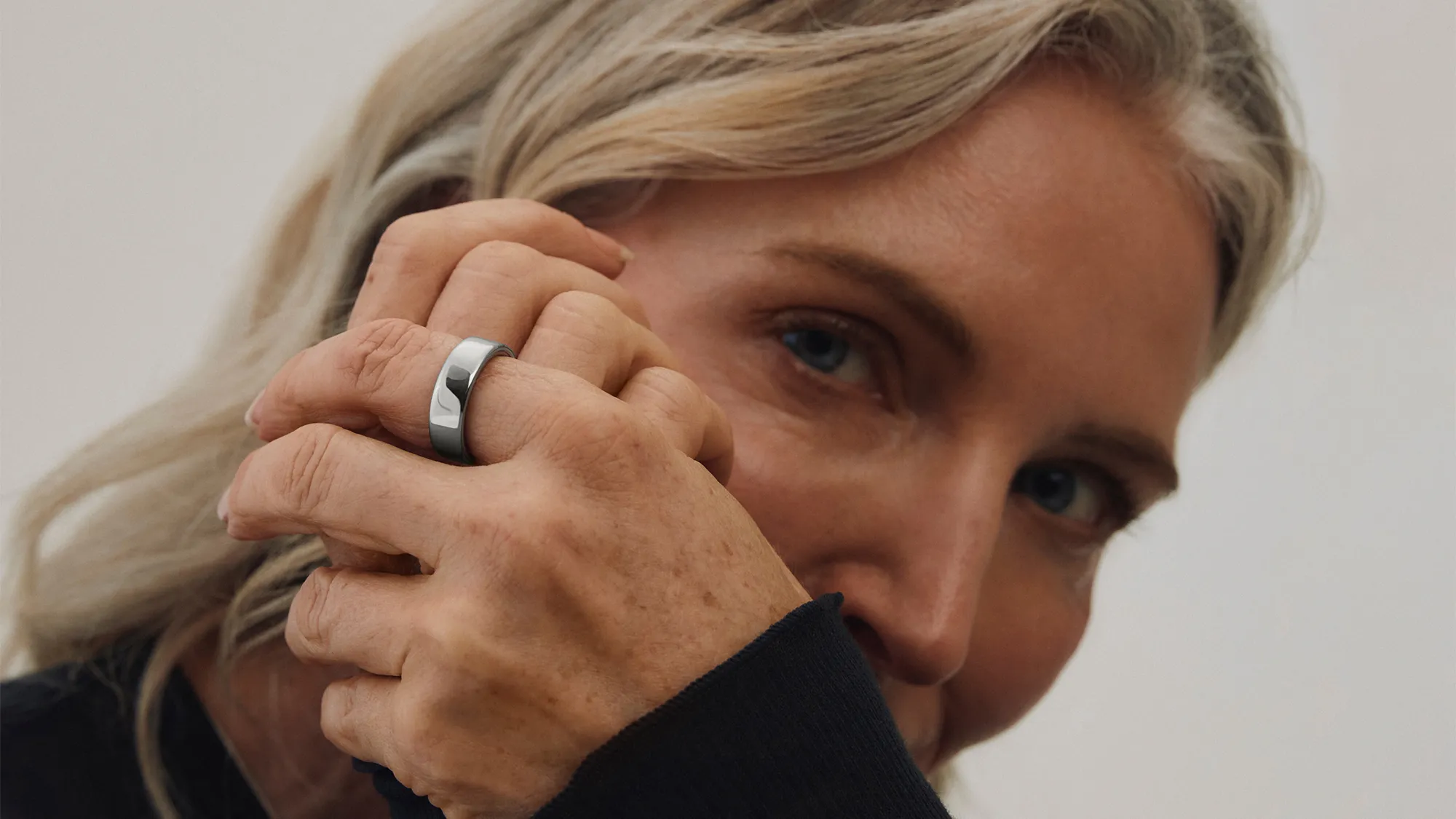
Oura users in the US will be able to share sleep, HRV and cycle data with Xella Health doctors, who combine those metrics with lab testing.
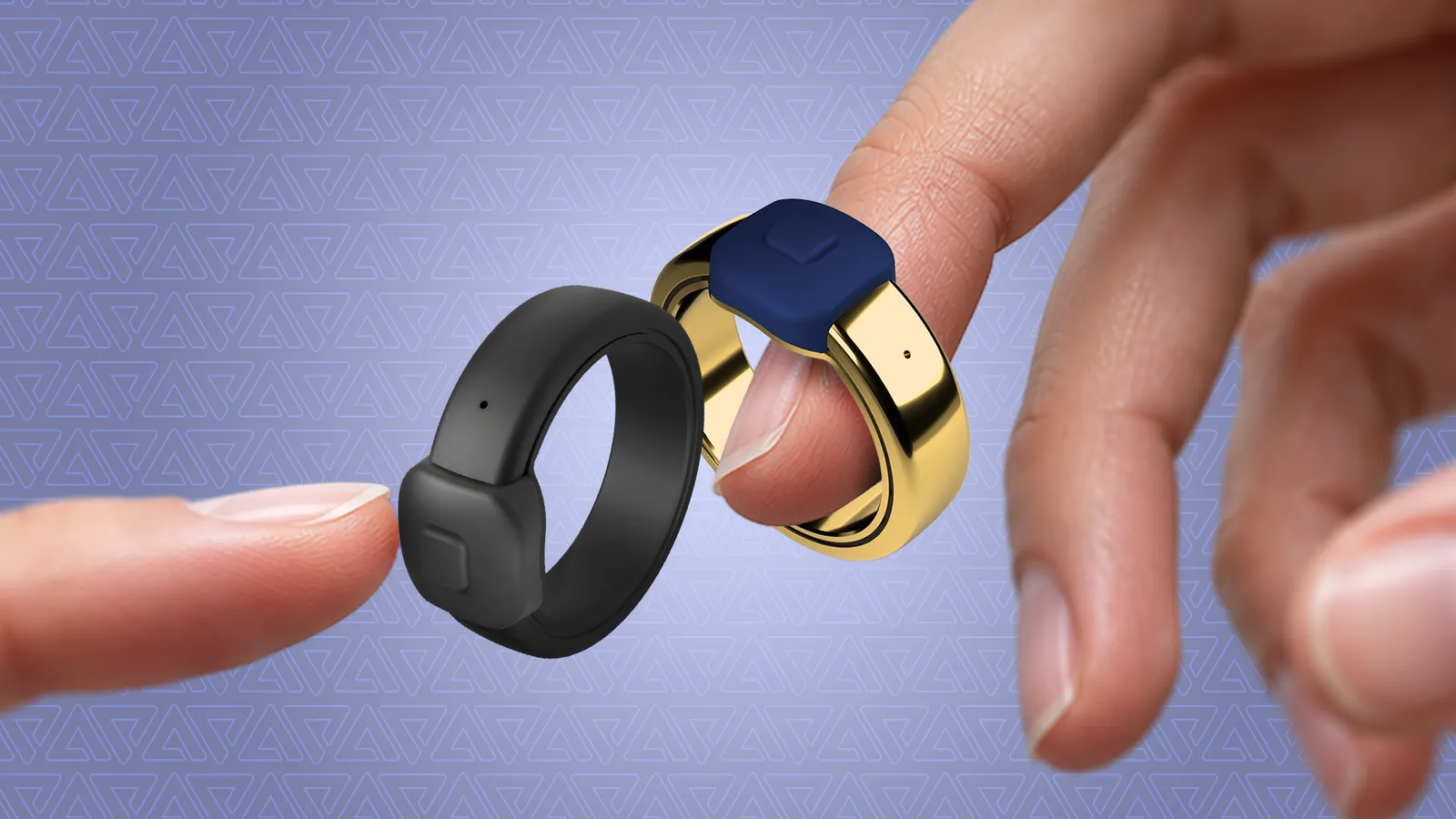
Pebble's Index 01 is a screenless, sensor-free ring that turns your voice into notes, reminders and alarms. Its reviewer prefers it to the Pixel Watch.
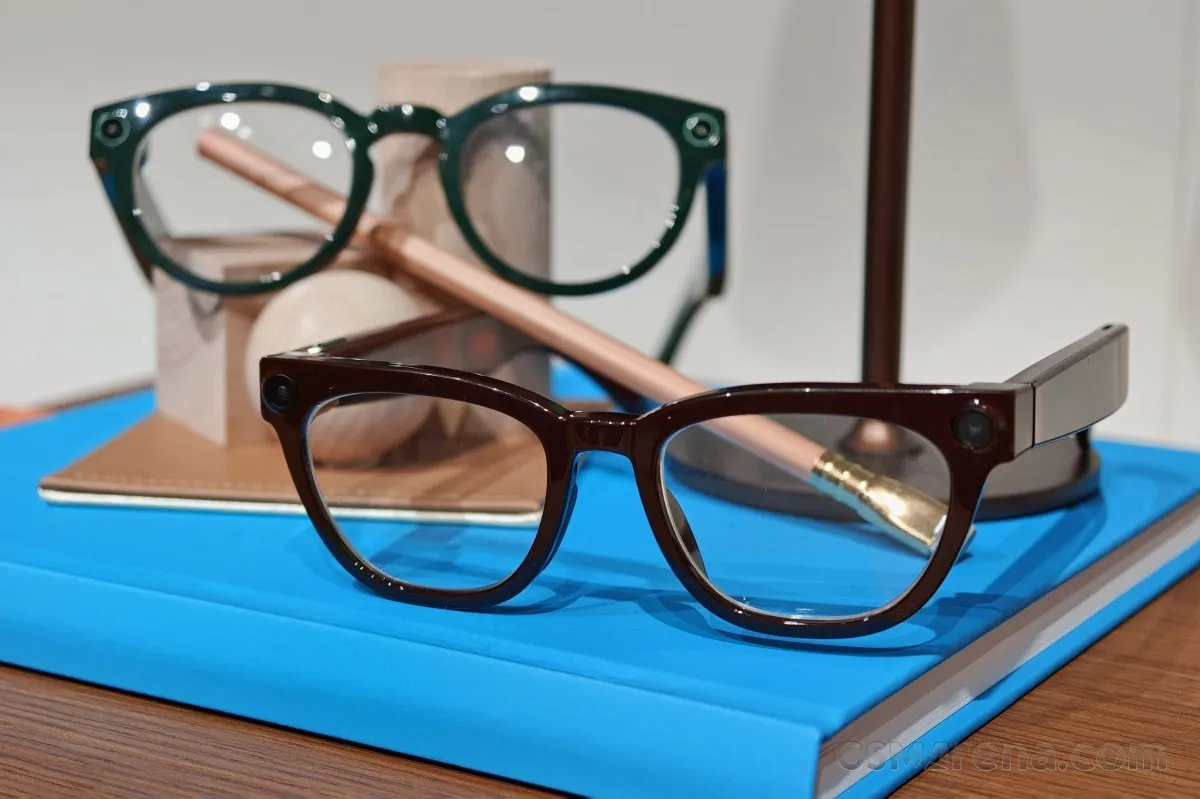
A report places the debut of Samsung's Intelligent Eyewear in November: display-less glasses with a camera and Gemini, built with Google and with no price yet.
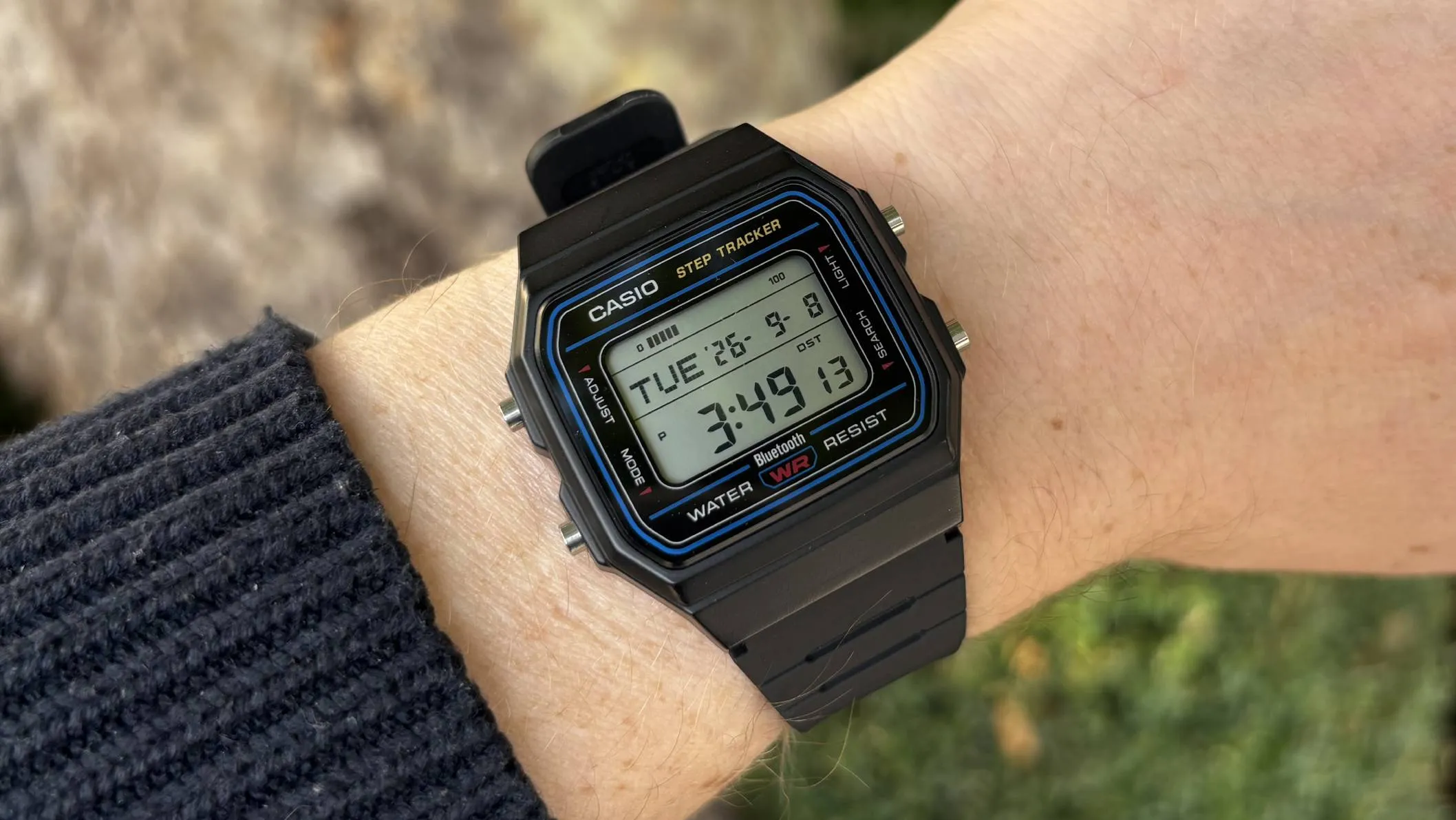
Casio has put its F-B100W on sale in the US, a retro-styled digital watch with a pedometer, Bluetooth and a two-year battery for around $65.
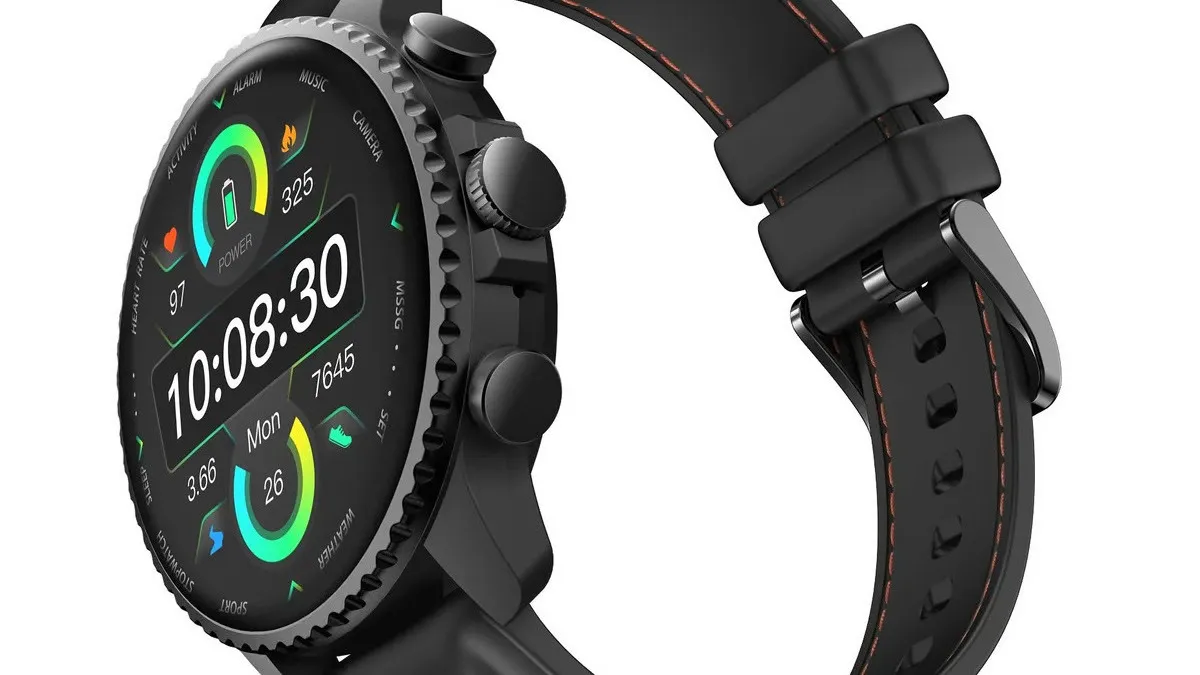
The TicNote Watch records, transcribes and summarizes conversations from the wrist, no smartphone needed. It costs $249, with a limited launch offer at $199.
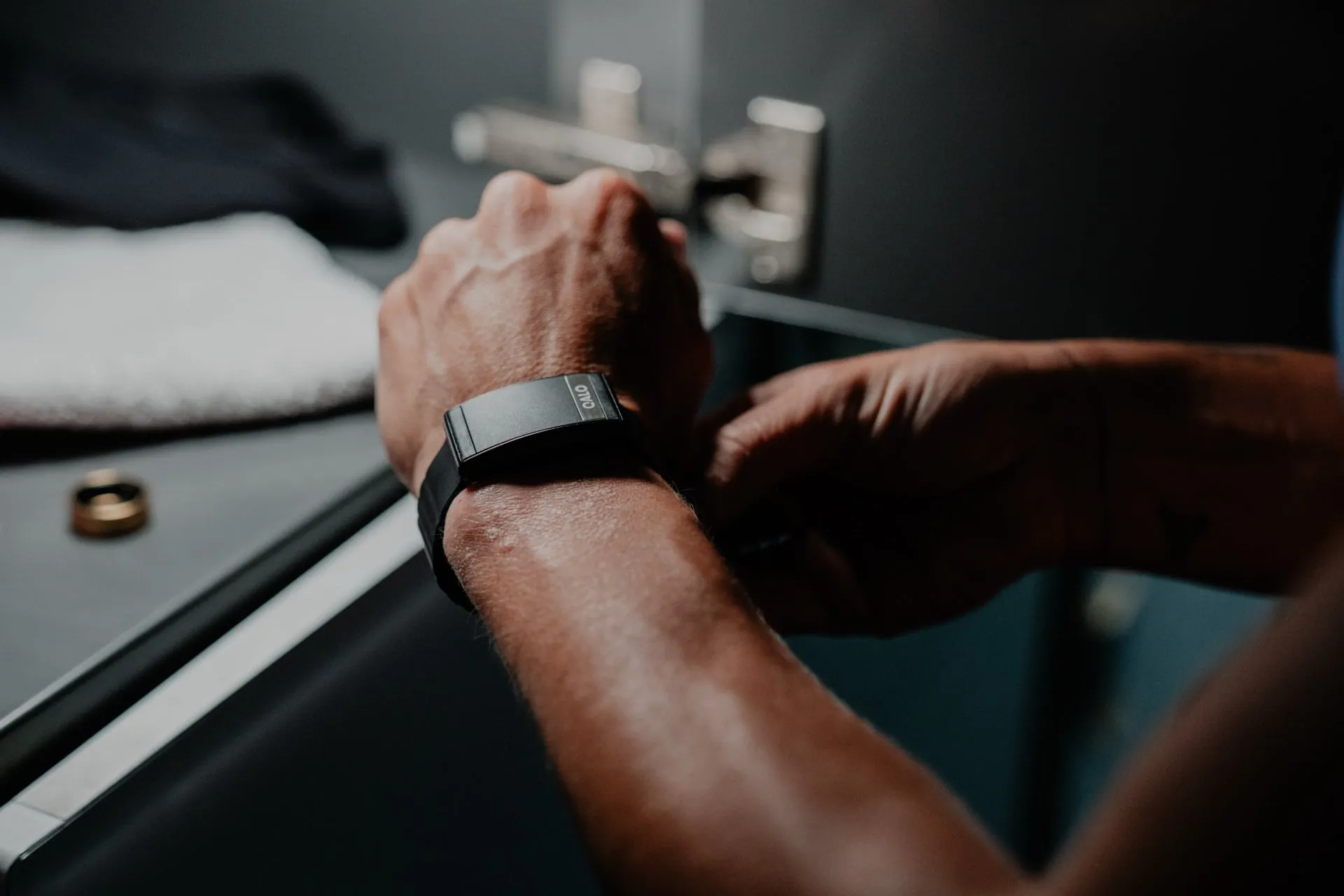
Qalo's SL-1 band tracks sleep, heart rate and blood oxygen with no subscription, and shares a health profile with the SR-2 ring to switch between them.
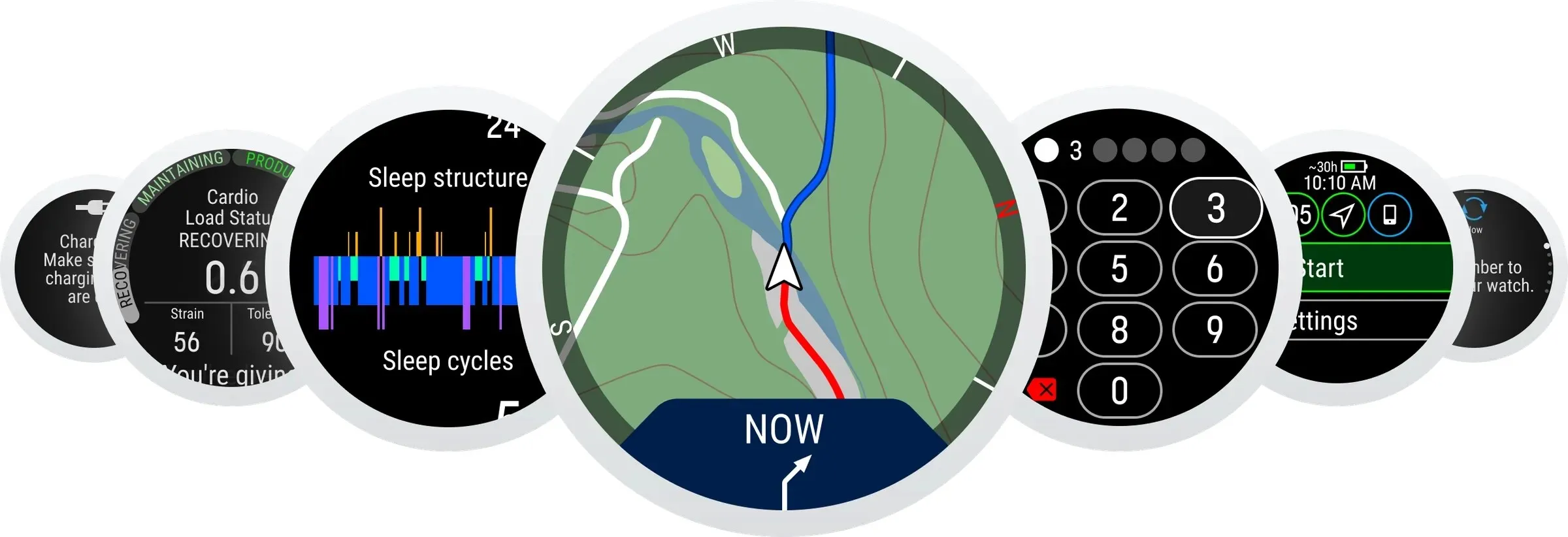
Polar is rolling out OS 6 (firmware 6.0.18) for free on six sports watches: seven-day graphs, a customisable button and an 80% charge limit.
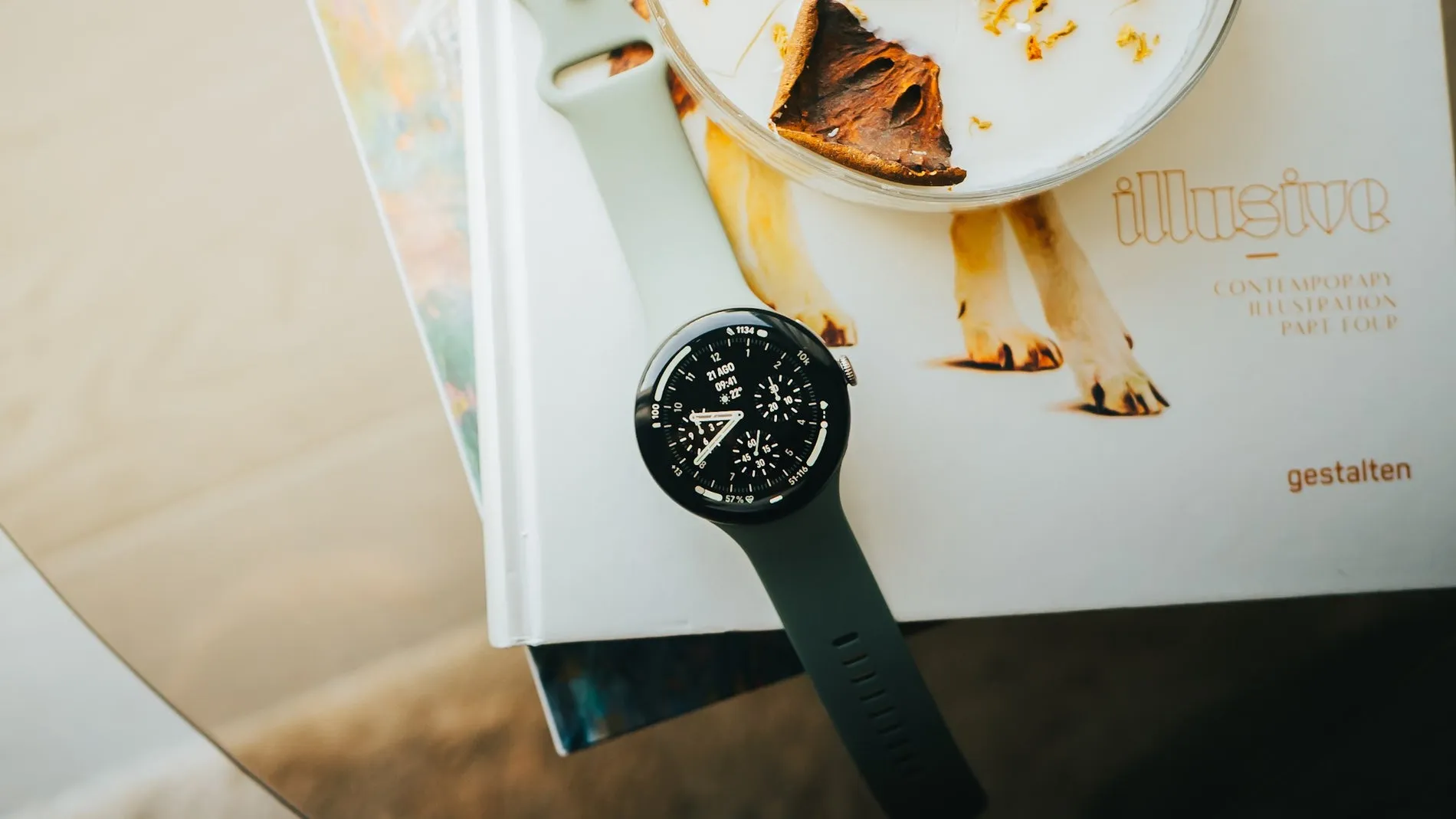
Facer and Timex have partnered to bring the brand's official watch faces, including Marlin, Expedition and T80 designs, to Wear OS smartwatches this fall.