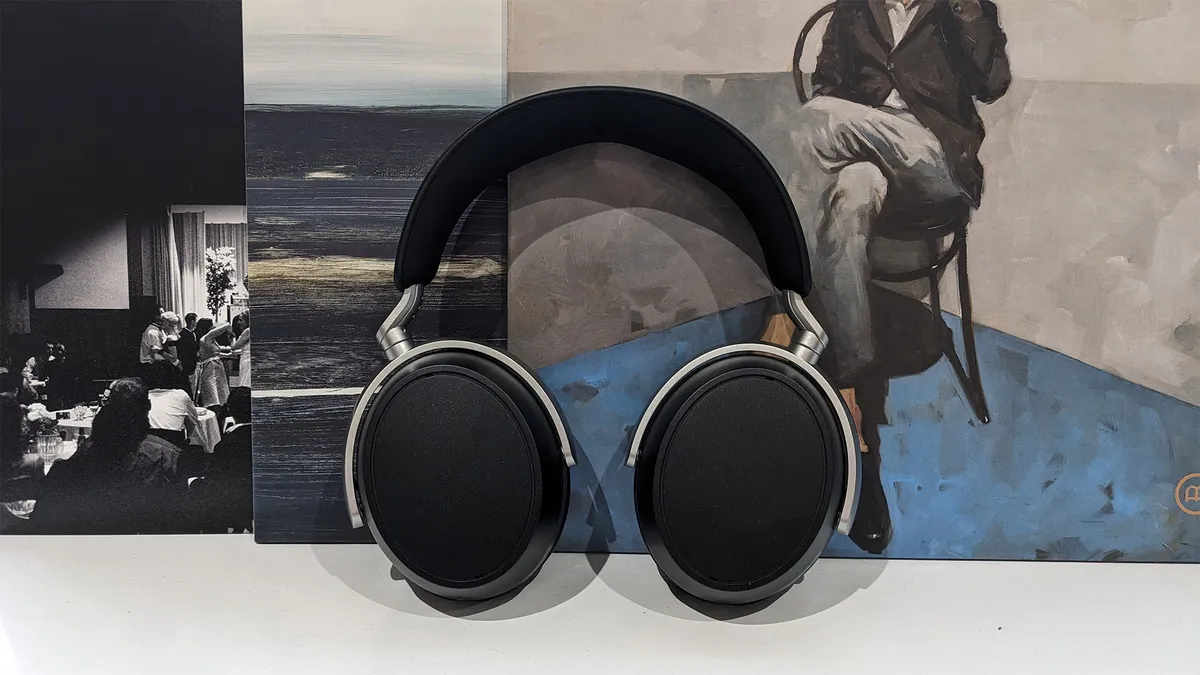
Sennheiser HDB 630: Award-Winning Headphones with a Dongle That Solves Codec Issues
Sennheiser’s wireless on-ear headphones, the HDB 630, hit the market at the end of 2025 and have just earned new credibility: an award at the What Hi-Fi? Awards 2026. What makes this model special is not only how it sounds, but the solution it brings to a problem that has plagued wireless listening for years: the mismatch between the codecs supported by the earphones and those supported by the source sending the audio.
How the Sennheiser HDB 630 Was Designed
Before bringing the HDB 630 to market, Sennheiser conducted its own study. According to their data, audiophiles listen to music on average between one and a half hours per day. The company asked why people who appreciate sound dedicate so little time to it, and the answer pointed to a well-known obstacle: achieving maximum quality traditionally requires being tied to a home system with an amplifier.
The research uncovered a second problem, this one measurable. Less than 16% of phones are compatible with aptX Adaptive and less than 1% support aptX Lossless. It’s pointless to have excellent headphones if the device sending them music isn’t up to the codec, something that complicates things because phones from the same model can vary depending on the market where they’re sold.

The BTD 700 Dongle
Sennheiser’s answer is the BTD 700, a small USB-C adapter that was sold separately and now accompanies the HDB 630. It connects to the source (phone, tablet, or computer) and links with the headphones via Bluetooth; it supports up to 24-bit/96 kHz with the best wireless codecs, including aptX Lossless and Auracast. The key is that it works with any Bluetooth earphones, not just those from Sennheiser.
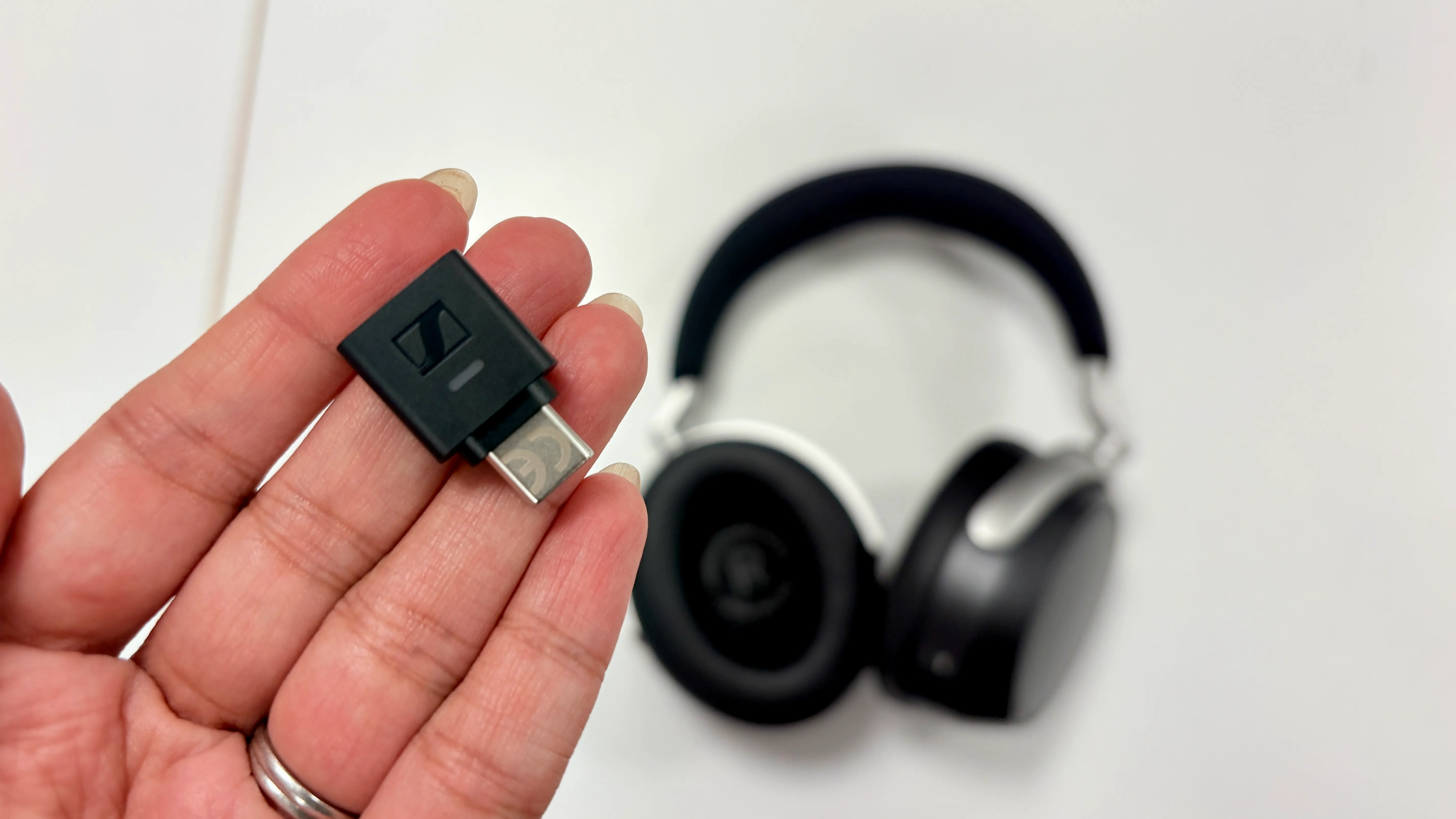
According to the manufacturer’s estimates, the dongle raises the percentage of phones capable of supporting aptX Adaptive above 80%. The remaining margin corresponds mostly to iPhones with Lightning connectors, which don’t fit the USB-C port on the accessory. Practical details were taken care of in the design: a slot next to the connector allows it to be tucked into a phone case, and its slim profile prevents blocking ventilation grilles or other ports. The manufacturer itself recommends leaving it plugged into the HDB 630’s USB-C when not in use so you don’t lose it. It wasn’t the first time Sennheiser included a dongle: the Accentum Special Edition already did, though with a USB-A connection and designed for PC video calls.
What This Means in Daily Use
The HDB 630 also holds its own without the dongle. In tests, it stands out for its sound quality and customizable settings, including a parametric equalizer that allows entering the exact frequency in hertz instead of sliding a slider, and sharing the tuning via QR code so another person can scan and try it.
The background noise limit remains Bluetooth’s bandwidth, which forces a choice between high resolution with compression or lower resolution without loss. This is a compromise that the industry will have to resolve with higher-capability Bluetooth.
For the buyer, the advantage is concrete: you no longer depend on your phone and earphones sharing a codec. Compared to other premium wireless on-ear headphones like the Technics EAH-A1000, Sennheiser’s proposal doesn’t rely solely on the transducer, but closes the link that usually fails. Is it worth it? If the goal is to listen at high quality for hours from any source, the dongle solves a real problem that no earphone’s spec sheet can solve on its own.