Debian is the distribution many people choose precisely because it does not change: a stable base, packages that age slowly and a policy that prefers breaking nothing over shipping the latest thing. That same virtue is what leaves it behind when hardware fresh off the production line appears. Maintainer Aryan Karamtoth has announced on the debian-devel list the creation of a Debian Gaming Hardware Team that tries to address that weak spot without touching the project’s philosophy.
The announcement comes after years in which gaming on Linux has moved to Arch- or Fedora-based distributions such as CachyOS and Bazzite, with devices like the Steam Deck and the Steam Machine as the main showcases. In the thread, Karamtoth explains that his goal is precisely to draw attention to Debian as an option for gaming hardware, after confirming that the most popular gaming distributions rely on those other bases: Debian works for gaming, but it does not appear in the conversation.
A Debian testing team, not a gaming edition
It is worth fixing the scope before the headline runs away with things: this is not a Debian edition aimed at gaming, nor a games repository, nor a team that is going to package titles. Maintaining gaming software is the job of the Debian Gaming Team, a separate group that already existed within the project.
What is being created now is a hardware testing team. Its stated goal is to steer the project’s attention towards Debian as an option for gaming machines, measuring what works, what fails and under what conditions. The expected output is not a new distro but documentation and, where possible, patches.
What will be tested and what gets documented
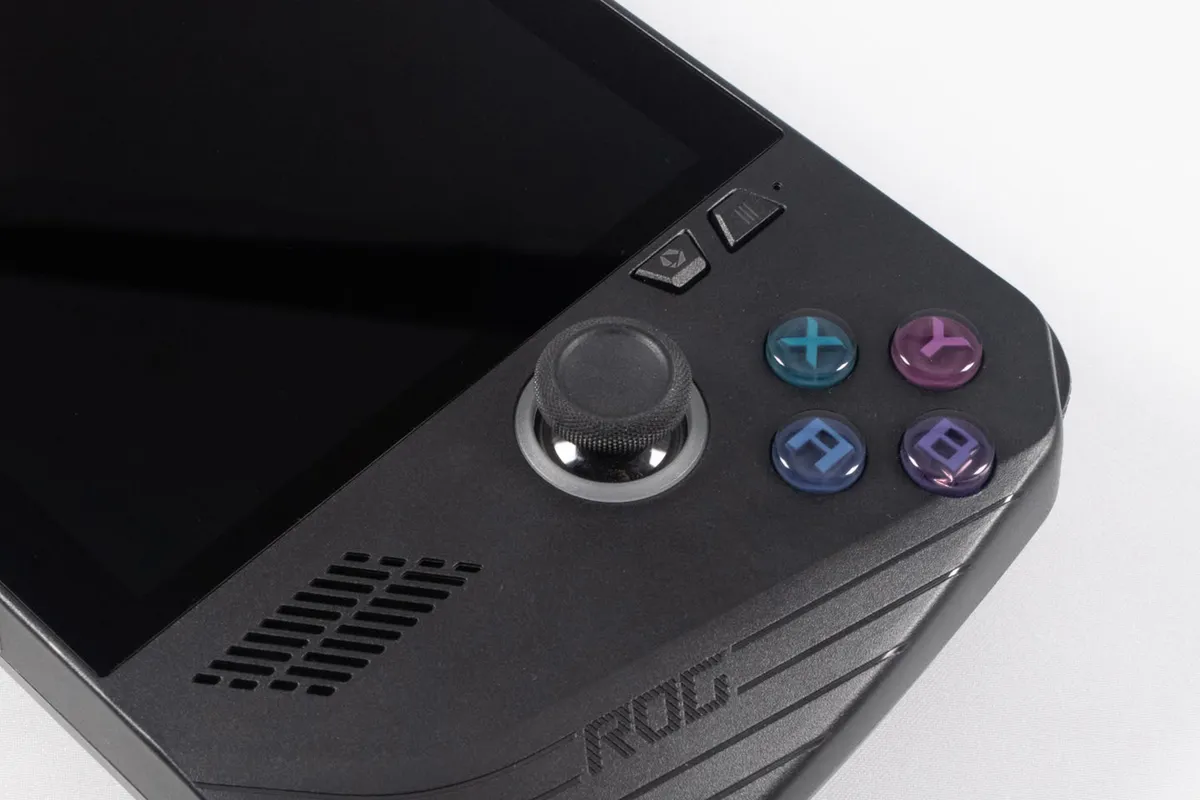
The perimeter described in the announcement is concrete and fits squarely with the audience of this section: handhelds, emulation devices and home consoles. Across that hardware park, the team intends to record incompatibilities and known problems, and then study the possibility of introducing fixes that resolve them.
The interesting part is the bleeding edge one. Karamtoth proposes addressing compatibility with latest-generation gaming hardware without losing the stability reputation that sustains Debian. It is a difficult balance: graphics drivers, recent kernels and support for new APUs arrive months late in the stable channel by design, and forcing that pace is exactly what Debian does not do.
Alongside the announcement, the team’s wiki page has been published, which opens the door for any user to install Debian on their own gaming machine and submit a report with their experience. That is the realistic mechanism for building a compatibility database without depending on the group buying every device on the market.
What actually changes for people who emulate or game on Linux
In the short term, nothing in the system that is already installed. A Debian stable is not going to suddenly receive a newer kernel or a different version of Mesa because of this announcement. People who emulate on Debian today usually turn to backports, testing or external packages to get up-to-date drivers, and that path stays the same.
What can change is the baseline work. When a hardware problem is fixed upstream, the fix eventually reaches the whole downstream tree: Ubuntu, Linux Mint and the desktop distributions built on Debian inherit the solution without having to reimplement it. For an emulation setup, that translates into fewer manual configurations and less dependence on specific recipes to get a particular controller, display or graphics chip working.
The available information improves as well. Today, knowing whether a handheld boots well on Debian depends on forum threads and scattered tests; a log maintained by the project itself is a far more reliable source than anecdote. And if Debian documents its behaviour on these machines, the comparison with other options — for example, the one raised by the ROG Xbox Ally versus a Steam Deck that is no longer as cheap — stops resting on impressions alone.
What is still missing and how to take part
The announcement does not include compatibility lists, test results or a schedule of improvements. Nor is there a commitment that a Debian variant aimed at manufacturers or enthusiasts who build their own gaming hardware will exist: it is a possibility the maintainer mentions as a horizon, not as a goal of the team. Any reading along the lines of “Debian is becoming a gaming distro” goes well beyond what the thread says.
What is tangible, for now, is the wiki page and the willingness to receive reports. Anyone with a Linux handheld, a repurposed portable console or a machine dedicated to emulation can try Debian on it, note what fails and send in the result. That kind of data is what is missing and what no laboratory desktop can replace: real hardware, in the hands of people who use it every day.
The current state, then, is that of a newly born group with a sensible goal and zero published results. The wiki will have to be watched to see whether the reports turn into patches, which is where the difference actually shows.