An international network bought used phone components, cleaned them and repackaged them to be sold as new handsets in Europe. The European Public Prosecutor’s Office (EPPO) is investigating the case under the name Operation Troy and estimates that the fraud has caused more than €300 million in damage to consumers in the Union.
Operation Troy: how used phones were sold as new
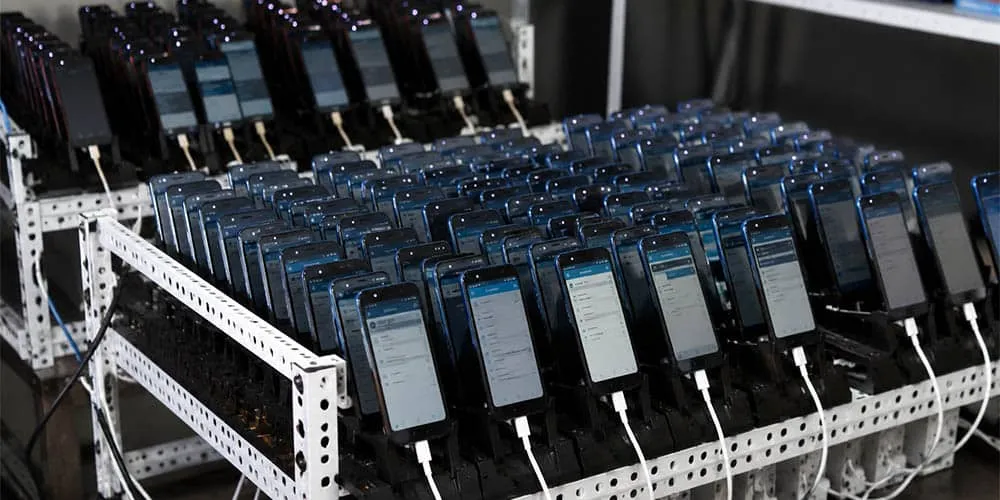
According to the investigation, the organisation obtained or reused components from used smartphones, mainly in Hong Kong and the United Arab Emirates. It then cleaned, refurbished and packaged them until they looked new, entered Europe through the Netherlands and stored the goods in Germany before distributing them through online stores.
The operation has spanned 19 countries and required more than 160 searches, with 1,770 police officers, tax agents and customs officials taking part. The result: seven arrests. Investigation documents cited by German media suggest the scheme ran for several years and that, in some periods, between 10,000 and 20,000 phones a month entered Europe. In total, more than a million devices are thought to have been sold through this ring.
€300 million in damage and VAT fraud
The damage to European consumers exceeds €300 million. On top of that comes alleged tax fraud: VAT losses top €30 million across several countries, of which at least €24 million corresponds to Germany alone. The mechanism is thought to have exploited the margin scheme that applies to certain second-hand products and relied on shell companies spread across several European countries.
For buyers, the warning sign came late. The handsets looked new on the outside and one of the sellers had a 4.3 out of 5 rating on Amazon. Customers discovered the deception when they contacted support and found that the phone’s identifier did not correspond to an unused device.
Why it matters if you buy refurbished
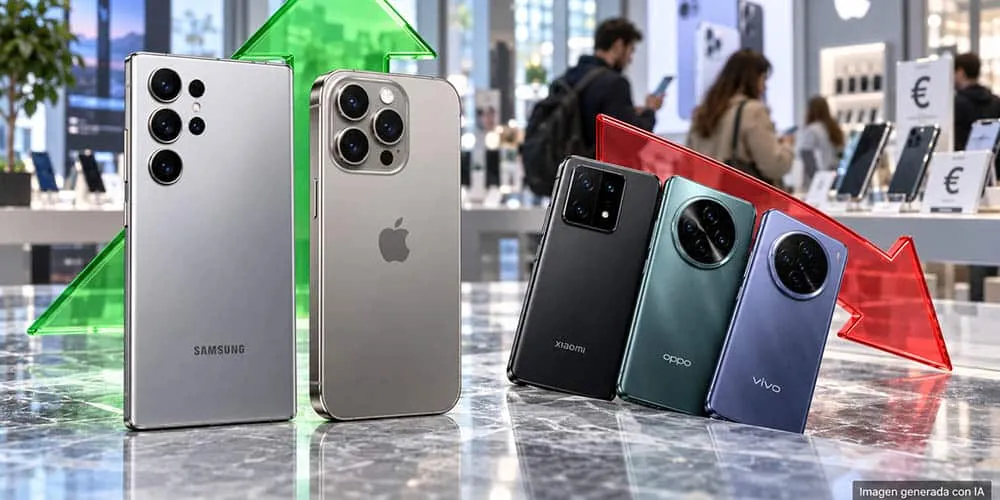
The fraud feeds on a market that keeps growing. According to the GSMA, between 2021 and 2023 sales of new phones fell 15%, while sales of used and refurbished devices rose by around 15% in its 2025 report. Replacement cycles have stretched to around 3.5 years on average and a 2026 Kantar survey for Recommerce puts almost one in five phones currently in use as second-hand.
This is no longer a niche: carriers, manufacturers, large retail chains and marketplaces have added refurbished devices to their catalogues. That makes access cheaper, but it also blurs the quality signals. Checking the EU legal guarantee label that is already reaching Spanish stores, asking for an invoice and verifying the device’s identifier before paying are the checks that separate a sensible second-hand purchase from a problem.
A properly identified refurbished phone with a guarantee remains a sensible way to save money. What is not acceptable is paying a new price for a device that already had an owner: if the store does not certify its condition or stand behind its identifier, it is better not to buy.