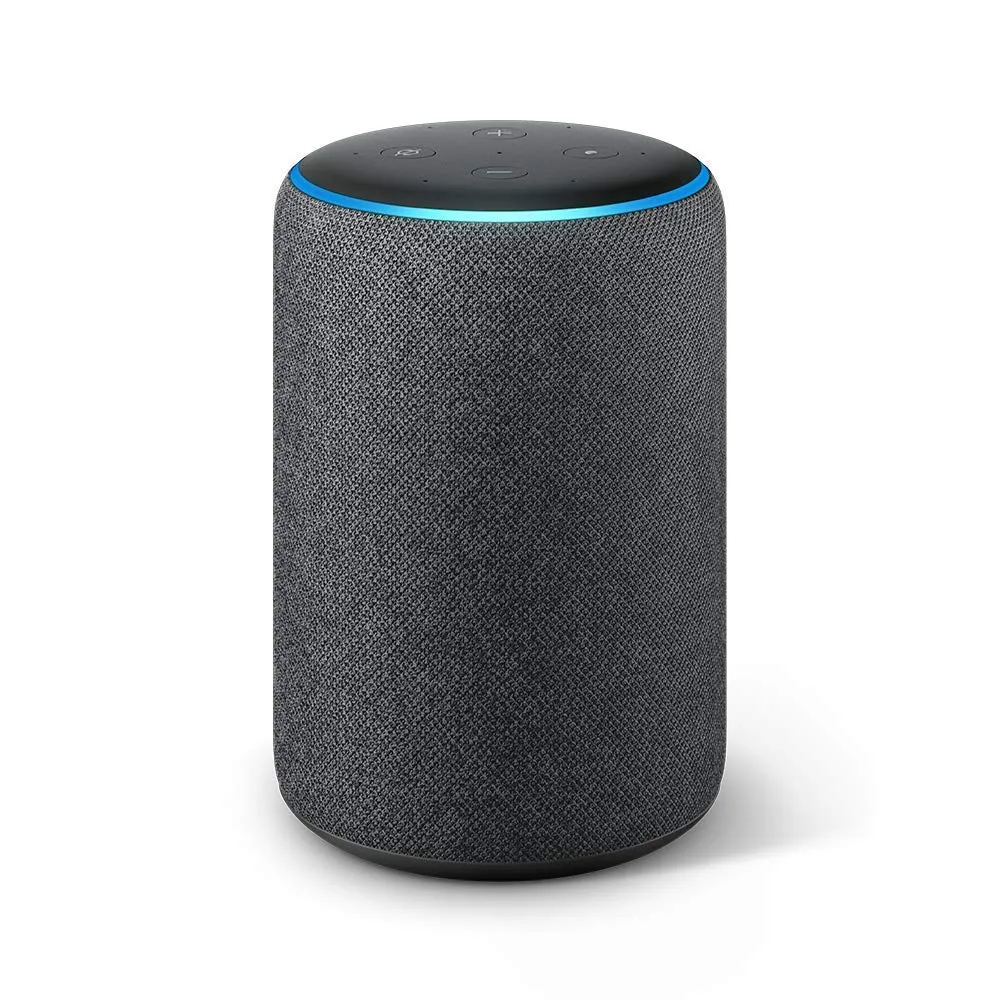
Amazon has retired a feature its smart speakers had carried for years: the device plugged into an Echo’s AUX input can no longer be controlled by voice. The company confirmed the change to Ars Technica, and the notice reached users by email this week. Commands such as “Alexa, set aux input” or “Alexa, play from line in” have stopped working.
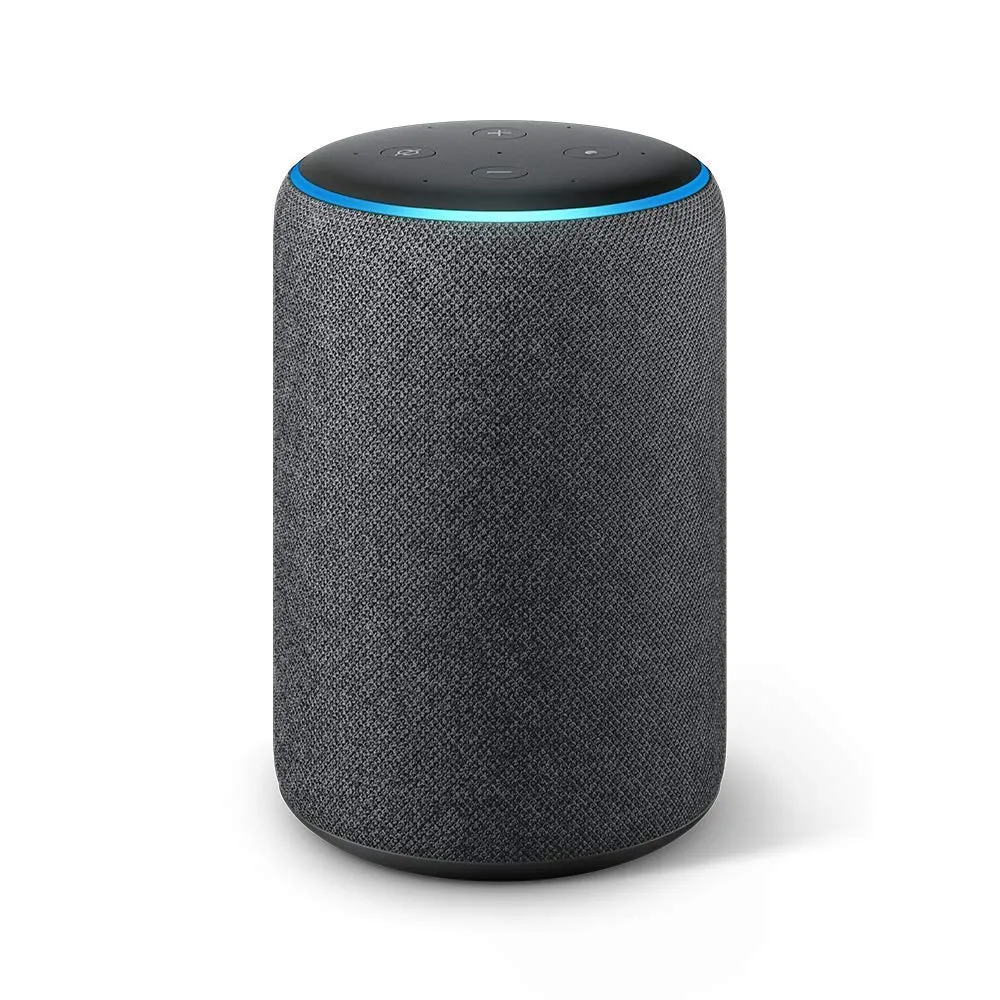
Which Echo speakers are affected
The change does not touch the whole line-up. It affects four models with a 3.5mm jack, released between 2018 and 2020: the Echo Plus 2nd Gen (2018), the Echo 3rd Gen (2019), the Echo Studio 1st Gen (2019) and the Echo 4th Gen (2020). Amazon has not shipped an Echo with a 3.5mm port in six years, so the reach is limited to that older fleet.
What still works with the AUX input
The physical input does not disappear. If a source is connected to the 3.5mm port, audio still plays, and the Alexa app keeps the option to enable or disable a compatible speaker’s AUX. For hooking up an external player there is also Bluetooth, which Amazon says is the most common way to pair third-party devices with its speakers today.
The company argues that very few users relied on voice commands for the AUX input, so the number of affected people should be low. That is the whole justification on offer: its spokesperson did not answer Ars Technica’s questions about why the feature was removed or how many people used it.
Why it matters
The underlying complaint is not technical but about ownership. The jack is still there and the hardware has not changed; what shuts off is a software capability on a device the user had already bought. One user summed it up on Reddit with a fair question: the feature existed, it was not a security hole, and there is no stated reason to remove it.
The move fits a broader strategy. Amazon is pouring resources into Alexa+, its paid, AI-powered version, and trimming legacy features simplifies maintaining the assistant. It is not the first cut of this kind: last year the company removed the option to stop Echo devices from sending voice recordings of commands to its servers, a capability the Echo 4th Gen and the Echo Show 15 and 10 had.
Is it worth worrying about?
For anyone using an old Echo as a desk speaker connected to an external source, day-to-day use barely changes: the cable still works and the audio stays. What is lost is the convenience of switching sources without reaching for the phone and, with it, something less tangible: the trust that a purchased device will not have its features trimmed by a one-sided decision.
If the speaker is mostly used for streaming or Bluetooth music, the practical impact is essentially nil. Anyone who depends on the AUX input to fold an external source into a sound system —the same use that active speakers with BluOS are built for— will only notice that they still have to use the app to switch inputs.