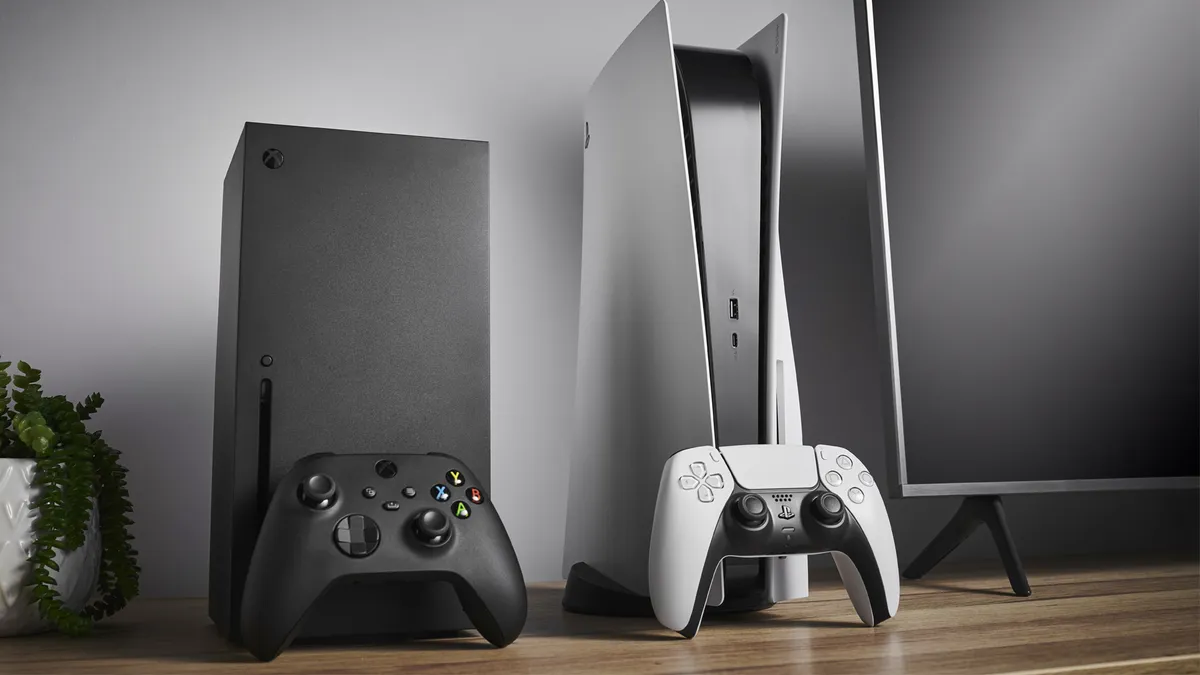
Buying a desktop console today costs significantly more than it did last year, and sales are feeling the impact. Circana’s US retail tracking data through late August shows the steepest decline in hardware for this generation: both PlayStation and Xbox sell fewer units than last year, while reference prices have climbed to $800 for the Series X and $900 for the PS5 Pro.
The figures: the worst drop of the generation
Mat Piscatella, Circana’s video game industry analyst, shared the numbers on his Bluesky account, and the diagnosis is stark across both platforms:
- Hardware unit sales for Xbox fell 33% year-over-year in the US for YTD 2026, their all-time low since the brand’s launch almost 25 years ago.
- PlayStation hardware unit sales dropped 25%, their lowest point since 2013, when many gamers held off on purchases waiting for the PS4 to arrive.
From Circana’s US Retail Tracking Service: For 2026 YTD ending August, Xbox hardware unit sales are down 33% versus a year ago in the US, while PlayStation hardware units are 25% lower. Xbox YTD US hardware unit sales are at an all-time low, while PlayStation is at lowest point since 2013.
Piscatella’s reading makes clear that this isn’t a dip for just one brand: both desktop platforms are at lows unseen in more than a decade, and in Xbox’s case, throughout its entire history.
Price is no longer an entry point
For generations, the console price dropped over the years of its life: that was the argument that led many gamers to wait before making the jump. That script has broken. The headline itself leaves prices at their most uncomfortable point: Xbox Series X at $800 and PS5 Pro at $900, far from the launch figures of their previous-generation equivalents.
For those who look at spending calmly, the problem isn’t just the initial outlay. A console that goes up in price instead of down changes the calculation for the whole purchase: it raises access costs but also invites asking how long that price will hold against alternatives like PC or cloud gaming. The escalation has coincided with a general increase in component and memory costs that had already been straining other product prices.
What changes for the buyer
With hardware at lows and prices rising, the purchase decision weighs more than ever, favoring what isn’t in the box. What ties a gamer to a platform throughout the generation isn’t the spec sheet, but the catalog, the services, and the subscription already running, plus the backward compatibility that lets them keep what they bought. The teraflops war explains very little when the bill approaches $900.
For the Spanish gamer, the US picture matters even if the local market has its own prices: it points toward where platform strategy is heading, which usually replicates moves. And it leaves an open question for the rest of the generation: if consoles no longer make access cheaper over time, the argument to buy will have to come increasingly from exclusives and long-term support, not spec sheets.
In the short term, the recommendation is always the same, but with more reason: check the catalog and services you’ll actually use before being swept up by promises of power. At these prices, the console that makes sense is the one that already has the games you want to play.