Mobile phone shipments in China fall 15.4% as Huawei is the only one growing strongly
The Chinese mobile market shipped 57.9 million units in the third quarter of 2026, a 15.4% drop compared to the same period last year, according to preliminary IDC data published on October 13. The decline is not in price but in volume: fewer phones are being sold because they cost more and are replaced less frequently.
Huawei rises while the rest fall
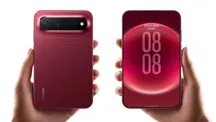
Huawei was the only major manufacturer to record double-digit annual growth. It shipped 12.2 million phones and took a 21% market share, taking first place. Apple held second place with a 17.8% share despite its shipments falling by 4.3%.
Behind them, the cuts were much harsher: OPPO fell 17.6%, vivo 24.9%, and Xiaomi 20.4%. Honor was the only standout brand that improved its shipments compared to the previous quarter. The reading is clear: in a shrinking market, the one gaining share does so at the expense of others.
Component costs are driving up final prices
IDC attributes the market slowdown to rising memory and other component costs, which have pushed retail prices higher and extended replacement cycles. In other words: it’s not that people stop wanting a new phone; it’s that the outlay no longer pays off.
In this scenario, Huawei has benefited from a broad catalog and relatively moderate price increases. Apple sold better than expected with its new models, but having fewer options in the range means each unit counts more for the total. When components go up for everyone, the brand that doesn’t pass on the entire cost increase to the customer is the one that takes the sales.
What changes for the buyer in Spain
The memory price rise isn’t just a Chinese issue: the same component costs condition prices across the whole industry, so the upward pressure described by IDC also affects what will be paid here. For anyone thinking about changing phones, the practical conclusion is that the discount margin on mid-range models is narrowing and waiting for a price drop has less room to work with.
In this scenario, the decision shifts axis: it’s no longer about choosing the model with the most megapixels, but the one that lasts more years. A phone with long update support amortizes a rising price better than one that only stands out in its spec sheet on launch day. At current market prices, buying thinking about the second and third year weighs more than the noise of the announcement.