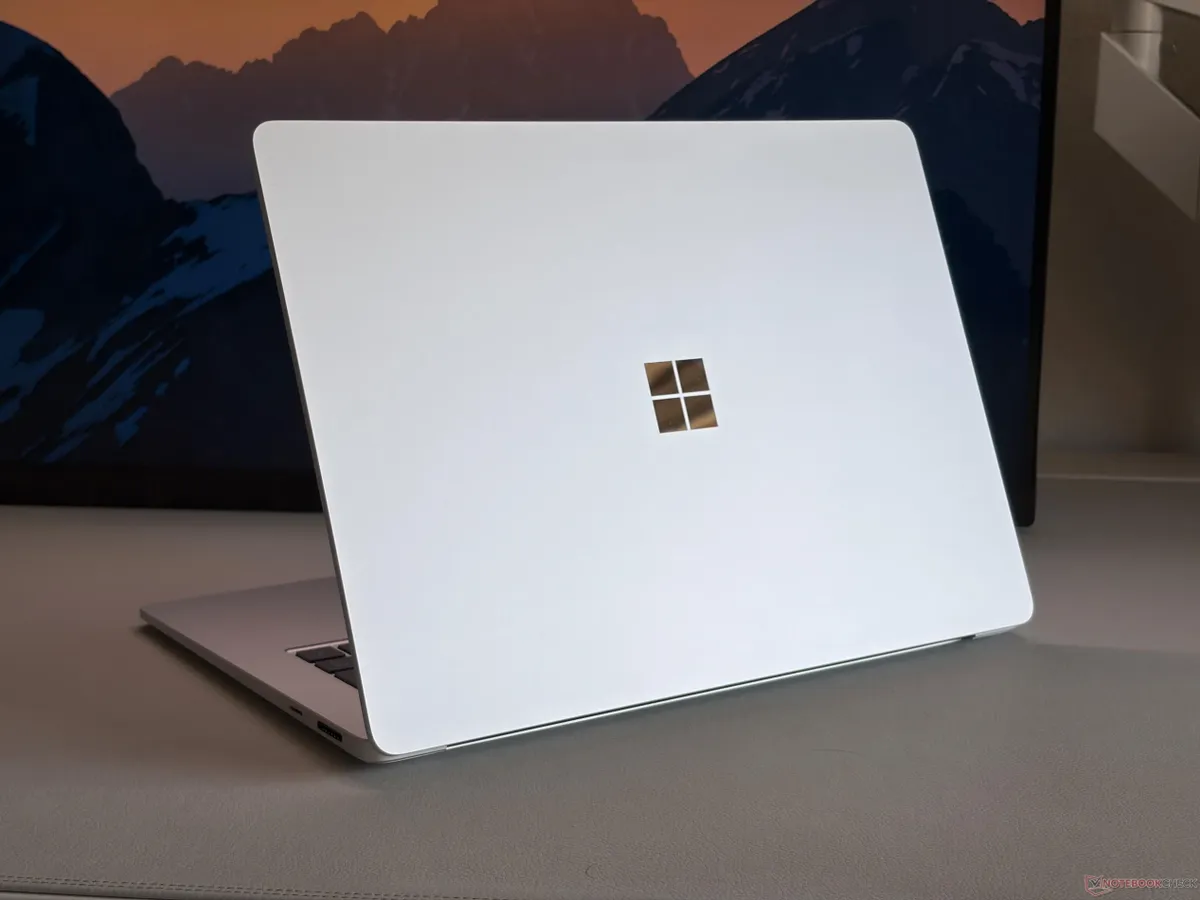
Surface Laptop 15 Gen 8 Tips the Scales Back Toward Intel Over Snapdragon
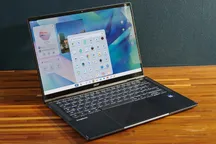
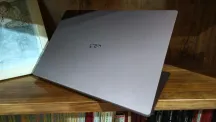
Microsoft has put the Surface Laptop 15 Gen 8 on sale, and once again, the comparison between its two versions leaves an uncomfortable result for Windows on ARM. A team analysis concludes that the model with the Intel Core Ultra X7 processor surpasses the Snapdragon version in the areas most noticeable with the lid open: graphics, software compatibility, and connectivity. The ARM variant only retains a slight advantage in pure CPU performance, a detail rarely perceived during a workday.
GPU and Compatibility Make the Difference
Intel relies on its integrated Arc B390 graphics, clearly ahead of the Adreno that equips the Snapdragon version. The gap matters in scenarios where the GPU truly works: gaming, video editing, and AI loads accelerated by graphics—terrain in which the Intel model offers a smoother experience.
To this is added the chapter of connectivity, because the Intel model supports Thunderbolt 4 natively and opens the door to higher-performance peripherals. And above all comes compatibility: being x86, it does not drag software problems, while the Snapdragon variant, with ARM architecture, still depends on emulation layers for part of professional software and games, with the consequent loss of performance.
The Surface Laptop 15 Battery Life Breaks the Script
The least expected detail is in the battery. A Notebookcheck test measured 16 hours of autonomy on Wi-Fi in the Intel version, above the official figure that Microsoft declares for the Snapdragon variant. The result dismantles the inherited idea that an ARM laptop necessarily lasts longer than an x86 one: in this case, Intel holds out more, not less.
Weak Points of the Intel Version
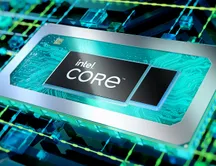
The analysis does not leave it without objections. Single-fan cooling does not allow squeezing all the potential of the Panther Lake chip, and the 65 W adapter falls short when the machine works at full load. To this is added that memory is soldered and does not admit expansion, which makes any configuration jump more expensive.
Price figures also do not help to equalize the versions. The Snapdragon variant sells to consumers and starts at around 14,388 yuan for the 15-inch model with 16 GB of memory and 512 GB storage; Intel is marketed as an “enterprise” edition and its reference configuration, with Ultra X7, 32 GB, and 1 TB, hovers around 29,388 yuan.
Who Each Version Is For
For whoever works with professional software without surprises, edits video, or wants to move games on their own machine, the Intel version is today the most rounded option despite its limitations. Whoever prioritizes price and light use—office work, browsing, mobility—will find in the Snapdragon variant, much cheaper, a reasonable alternative, provided they assume that some programs will continue depending on emulation.
It is not the first time this happens: according to the analysis, the Intel version of Surface Laptop 7 had already surpassed the Snapdragon version in previous tests, a pattern that feeds doubts about Microsoft’s strategy, which reserves the Intel variant for the enterprise channel and leaves the ARM one to consumers. In parallel, the company continues renewing its family with Snapdragon, as demonstrated by the Surface Pro 12 and Surface Laptop 13 with Snapdragon X2 Plus.