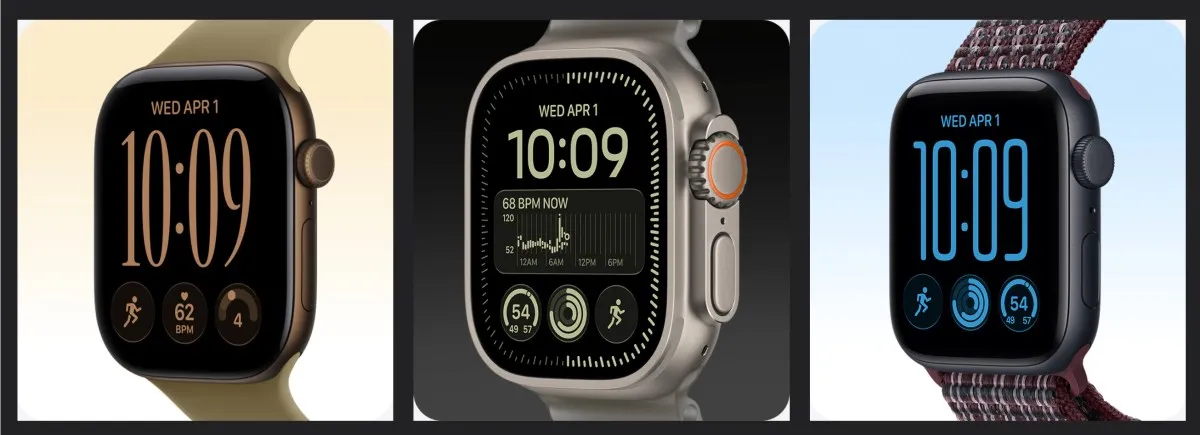
Apple will have to pay Masimo an extra $184 million over its use of patents in the Apple Watch. A federal judge has added that amount in interest to the $634 million verdict a jury already handed down against the company in November 2025, taking the total bill to around $818 million.
From $634 million to $818 million
The ruling was signed by Judge James Selna, who rejected Apple’s argument that adding interest would amount to an unexpected windfall for Masimo. To justify it, he cited U.S. Supreme Court doctrine holding that interest accrued from the moment the royalties should have been paid serves precisely to make the patent holder whole. Put another way: Masimo is being paid for all the time it went without payments that, on paper, were owed to it during the infringement period.
Not everything went Apple’s way, although the reduction does not offset the rest. Masimo had asked for interest to be calculated at 7%, which would have pushed the bill to $243 million. The judge declined and instead applied Masimo’s own borrowing rate, compounded annually from when the infringement began. After Apple tried and failed to overturn or reduce the award — Selna upheld the verdict in July — those initial $634 million now stand at roughly $818 million, not counting the post-judgment interest still accruing until it is paid.
What changes and what doesn’t on your Apple Watch
It is worth separating the noise from the real impact. The patent at issue — an efficient way to measure blood oxygen (SpO2) — expired in June 2022, so the ruling concerns past sales and does not affect the heart-rate features of current Apple Watches. Anyone with a Series 12 or an Ultra 4 will see no change on the wrist.
The dispute does follow a far more visible episode for users: the legal battle between Apple and Masimo also triggered an import ban on certain models in the United States, which led the company to disable blood oxygen measurement on the affected watches and, in 2025, to redesign the feature so it could return. If you are interested in how much of that metric rests on evidence rather than marketing, we already covered it in our piece on the reliability of wrist health metrics.
For buyers, the takeaway is simple: this news should not factor into your purchase decision at all. If you were looking for a reason to wait for a hardware change or a new health feature, this is not it; if you follow the battle between giants over sensor patents, then yes, this is a chapter that raises Apple’s bill and strengthens Masimo. The legal fight goes on, but in the day-to-day use of your watch it will not show.