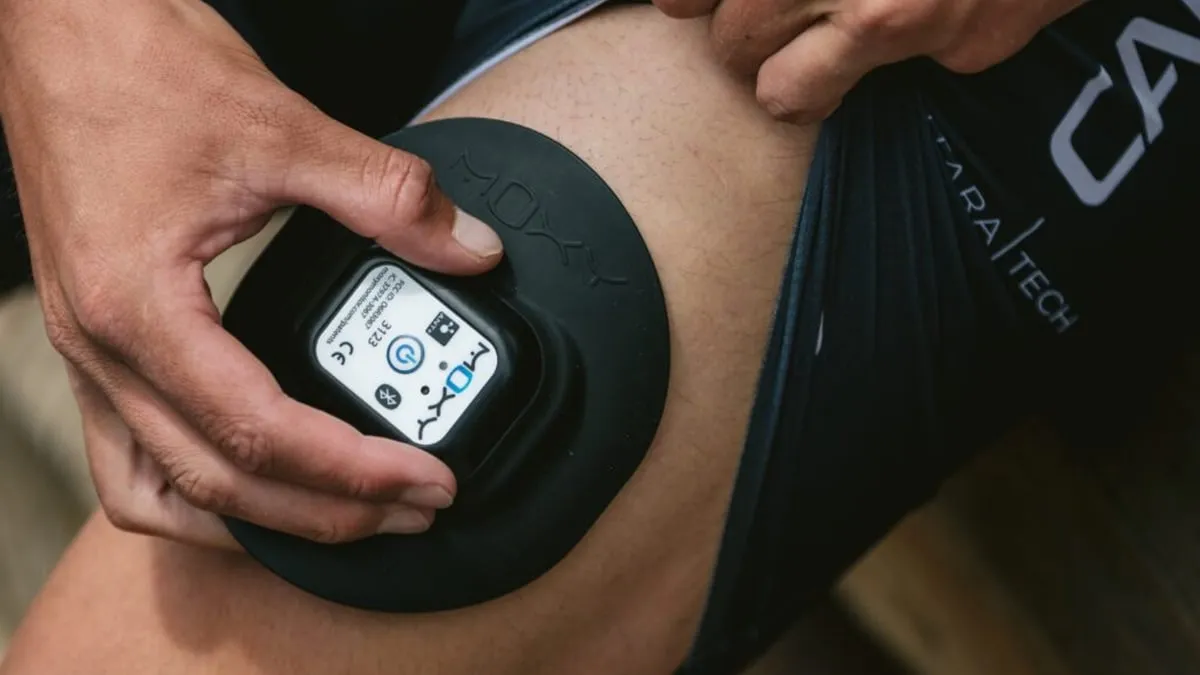
Garmin wants to measure fatigue where it actually happens, not just on the wrist. The company has confirmed the purchase of Moxy Monitor, one of the longest-standing specialists in muscle-oxygen sensing, and although it has shared few details of the plan, the move fits an idea the firm already put on paper: a ‘Muscle Battery’ that translates the effort of a specific muscle rather than the body’s overall energy.
What Garmin has confirmed
The company officially confirmed the acquisition of Moxy Monitor and limited itself to acknowledging the deal, without breaking down figures or timelines. The interest is not new: earlier this year Garmin filed a trademark application for ‘Muscle Battery’, a name that points directly to a feature designed to report on oxygen saturation in the muscle.
From Body Battery to localized fatigue
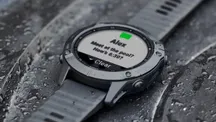
The Body Battery that many Garmin watches already use offers a macro-level score of central nervous system fatigue: it crosses wrist-based heart rate variability with stress levels. The ‘Muscle Battery’ would go in another direction, shifting the focus from systemic energy to the peripheral fatigue of a specific muscle.
To achieve that, muscle-oxygen sensors use near-infrared spectroscopy and calculate oxygenation in real time inside the working tissue. That reveals how hard a muscle group works during an effort —a run or a bike session— and how quickly oxygenated blood returns during rest intervals. The problem is that this data cannot be read accurately from the wrist.
What could change for the user
If muscle oxygen cannot be measured well at the wrist, the acquisition points to dedicated hardware that athletes would place on specific muscle groups, such as the quads or the calves. And therein lies the interesting part for Garmin: it keeps Moxy’s sensor architecture and its calibration algorithms in-house, a ready-made foundation for a category that does not exist in the mainstream consumer market today.
Don’t get ahead of yourself. Garmin typically closes a couple of acquisitions a year and most do not end in a concrete product. If this one did and Garmin became the first mainstream wearable brand to turn raw muscle oxygen into a ‘Muscle Battery’ breakdown, it would have an edge that is hard to copy in the short term. For now, only time will tell. The industry has spent a while measuring recovery without fully closing its scientific basis, and we have already covered that gap in the readiness scores Garmin, Oura, Whoop and Apple have not closed. Here we are talking about performance metrics, not a medical diagnosis.
If what you want is a watch that tells you how loaded you are in general, the Body Battery you already have will do, and you need wait for nothing. If you train by muscle groups and want to know whether your quads can take the next set, this acquisition is the first serious sign that such data could reach the wrist —or the leg—. And if you just want a watch that counts steps, neither of the two is going to change your day.