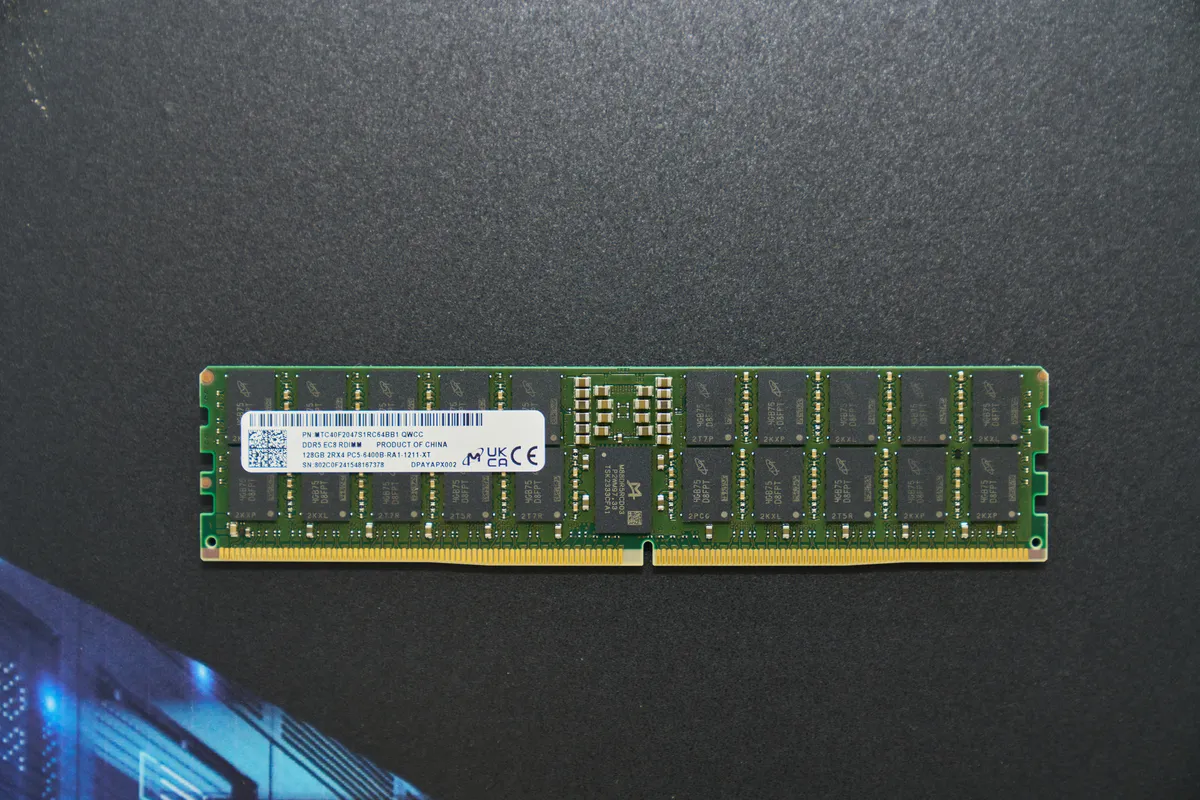
JEDEC, the consortium that writes the memory standards, has published a preview of DDR6, the generation that will succeed DDR5. This is not the final specification: it is a look ahead at what the group has in development, with the key figures already on the table. The change is not limited to raising the transfer rate; it affects the width of the bus, the number of banks in the module and the geometry of the DIMM itself.
The announcement arrives at an awkward moment for the market. Memory is dragging a cycle of high prices and supply strained by data-center demand, so any new generation is read against one underlying question: when will it be available and at what cost? The short answer, for now, is that there are no dates. JEDEC has only shown the technical direction.
DDR6 widens the bus to 96 bits and shrinks the module to 74 mm
The DIMM has carried a 64-bit data bus for almost three decades, a legacy of the SDRAM era. The DDR6 plan takes it to 96 bits, that is, 32 additional DQ lines that, at the same frequency, deliver 50% more bandwidth per module. On top of that comes a pseudo-channel architecture that splits access across several channels and doubles the number of banks in the module to 16, which helps keep the bus busy while other banks refresh.
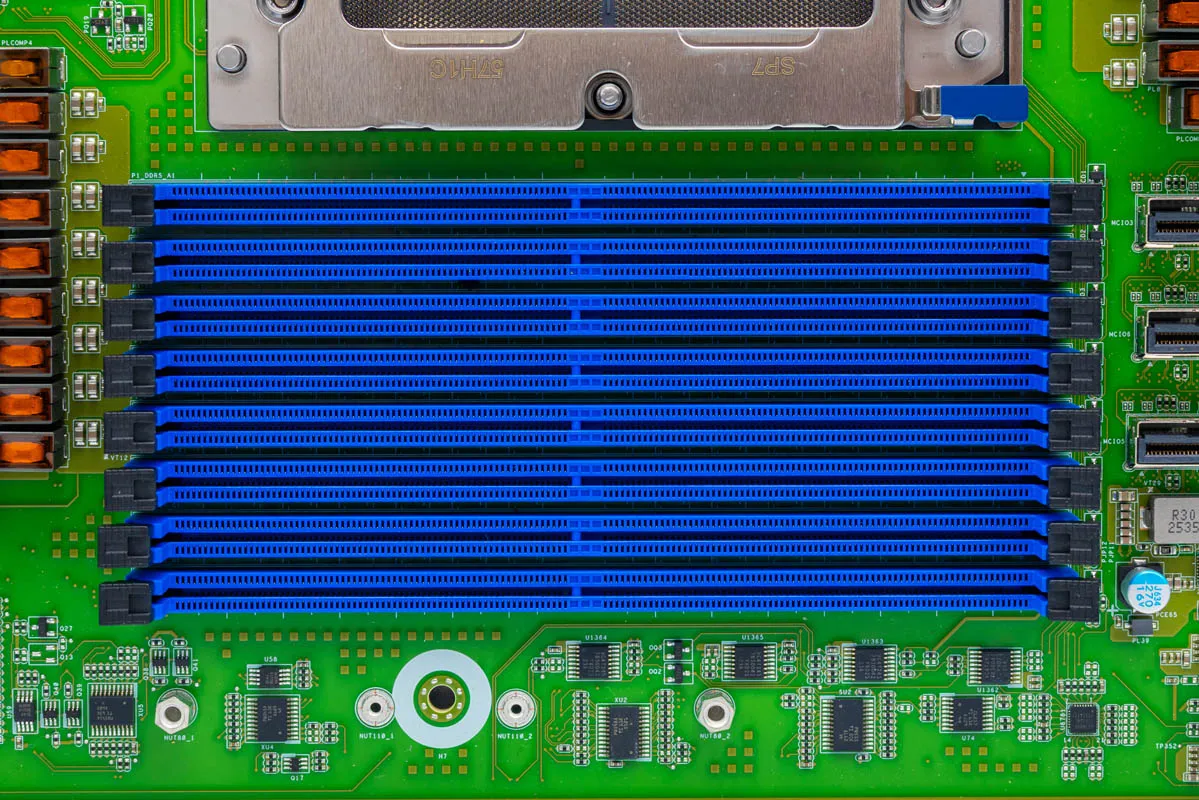
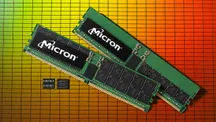
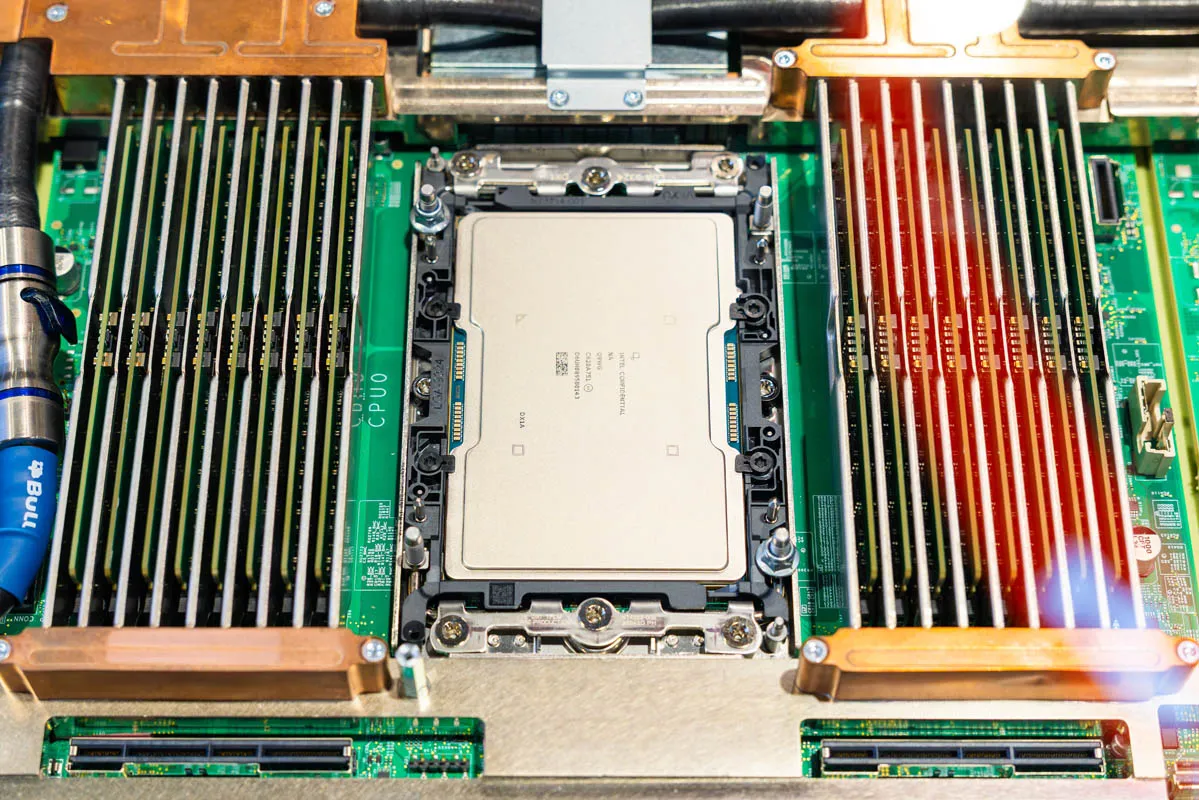
The physical change is just as relevant, and it is the one with the most consequences for anyone building a system. The module goes from 133 mm to 74 mm in length: 44% narrower, barely more than a DDR5 SO-DIMM. The reason is density: chaining 16 channels of 133 mm modules consumes board area that cannot be solved any other way. JEDEC is also working with several possible form factors — RDIMM, UDIMM and CAMM — and, in the preview, does not mention SO-DIMM at any point.
Density per chip also rises: the maximum goes from 64 Gbit to 128 Gbit, with optimizations for stacking dies and reaching higher capacities per module.
From 9.2 to 14.4 GT/s, and the 2.35×
In per-pin speed, DDR5 stops at 9.2 GT/s. DDR6 will start at 12.8 GT/s and the roadmap points to 14.4 GT/s and beyond, which means a 57% increase at the top end. Combining both improvements — a wider bus and more speed — a DDR6-14400 module would reach 172.8 GB/s, or 2.35 times what a DDR5-9200 delivers today. The comparison with what is installed in servers is even wider, because current platforms work with DDR5-8000.
JEDEC also points to efficiency. DDR6 changes I/O termination from VDDQ to VSS, that is, it terminates to a low voltage instead of a high one, and adds low-power modes aimed at data centers. The stated goal is a significant improvement in performance per watt, a figure that matters as much as bandwidth when the rack’s power budget is the limit.
A specification is not a calendar
It is worth separating two things that headlines tend to blend. What JEDEC has published is a preview of a standard in development, subject to change, and the consortium itself presents it as a reminder for the industry to take part in the process. The JC-42 working group holds its last quarterly meeting of the year at the end of this month; no complete specification date will come out of it, and even less so a date for modules on sale. ServeTheHome sums it up bluntly: to know when there will be a closed specification or physical DIMMs, we will have to wait.
Nor should a consumer release be expected first. Development is aimed at servers and data centers first, where the bottleneck is capacity and bandwidth per CPU, and only afterwards will it reach client computing. Any product calendar circulating these days is an extrapolation, not a JEDEC data point.
What it means for anyone buying memory
For the reader who is building or upgrading a system right now, DDR6 changes nothing in the short term. It is not a motherboard update: it changes the connector, the width of the bus and the module format, so it will arrive with new platforms rather than with firmware. DDR5 remains the right purchase and the one with replacement parts on the market, and waiting for DDR6 would mean waiting for a complete ecosystem of motherboards and processors that does not exist yet.
What this preview does anticipate is where the pressure is heading. Narrower modules and wider buses allow more memory per server, which is exactly the axis of current demand. Whether that extra capacity reaches the consumer market or stays in the data center is a decision for the manufacturers, not for the standard; and on price, JEDEC says nothing. The price increases that system builders are already applying respond to the supply available today, not to the generation that is coming.