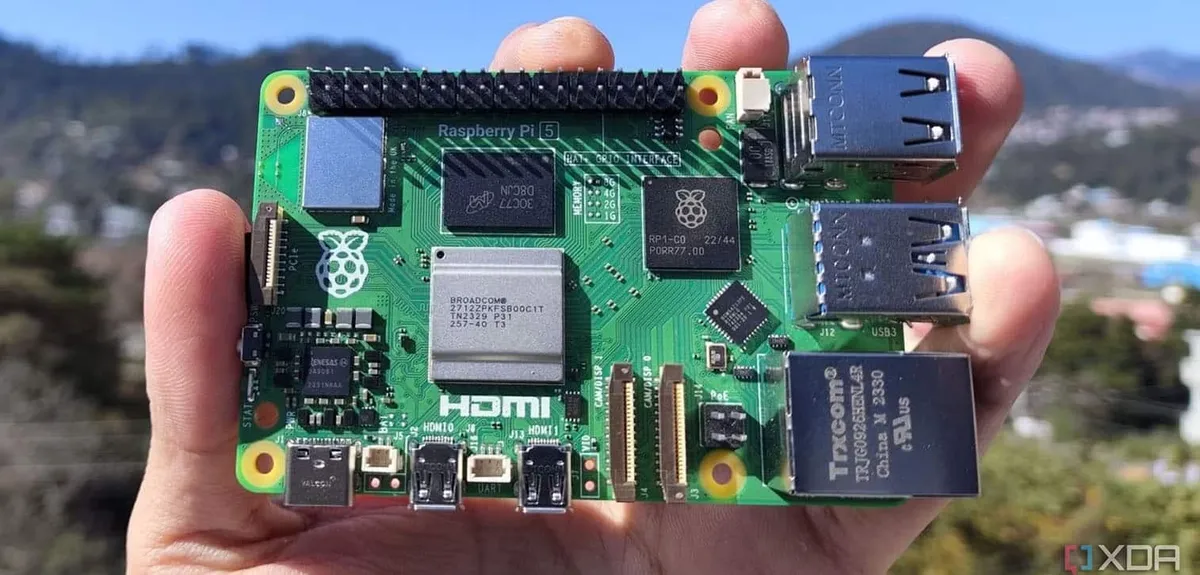
Raspberry Pi has raised the price of the 2 GB versions of the Raspberry Pi 4 and Raspberry Pi 5 by $12.50. The announcement came on 1 October 2026 and the increase took effect immediately. The cause is not the board: the steep rise in memory costs has made it unsustainable to keep those configurations as a cheap gateway into the ecosystem, as set out in the company’s official announcement. Raspberry Pi admits it could no longer absorb the cost of the LPDDR4 soldered onto these models.
The increase that starts in October
The adjustment affects only the 2 GB versions of the Pi 4 and Pi 5. The other models keep their price: the 1 GB Pi 4 and Pi 5 are unchanged, and the 2 GB Compute Module 4 and Compute Module 5 also hold their pricing. In other words, the increase is neither across the board nor a revision of the whole line, but one aimed at the variants with less memory.
The most striking case is the 2 GB Raspberry Pi 5. This model originally cost $50, went to $55 (+$5) in December 2025, rose to $65 (+$10) in February 2026 and now sits at $77.50 (+$12.50). All told, that is close to 55% more than its launch price. Raspberry Pi stresses that memory has become much more expensive over the past two years and that it had tried to protect the low-RAM configurations to preserve a cheap entry point into its catalogue.
LPDDR4, the root of the adjustment
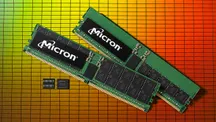
The trigger is the same one already squeezing the rest of the market: demand for memory for artificial intelligence infrastructure competes for manufacturing capacity and pushes prices up across the whole chain. Raspberry Pi warned about it in February 2026, when it explained that some components had doubled in cost in barely a quarter. On 1 April of the same year it put a figure on the problem: the LPDDR4 used by the Pi 4 and Pi 5 was seven times more expensive than a year earlier.
The climb is not limited to the 2 GB models. According to the announced prices, the 4 GB Raspberry Pi goes up by $25, the 8 GB one by another $50 and the 16 GB Raspberry Pi 5 adds $16. The Raspberry Pi 500 becomes $50 more expensive and the Pi 500+ goes up by $150. Micron has already warned that the memory shortage will be even greater in 2027 and 2028, so Raspberry Pi’s adjustment fits a broader trend rather than an isolated move.
What changes when buying a Raspberry Pi
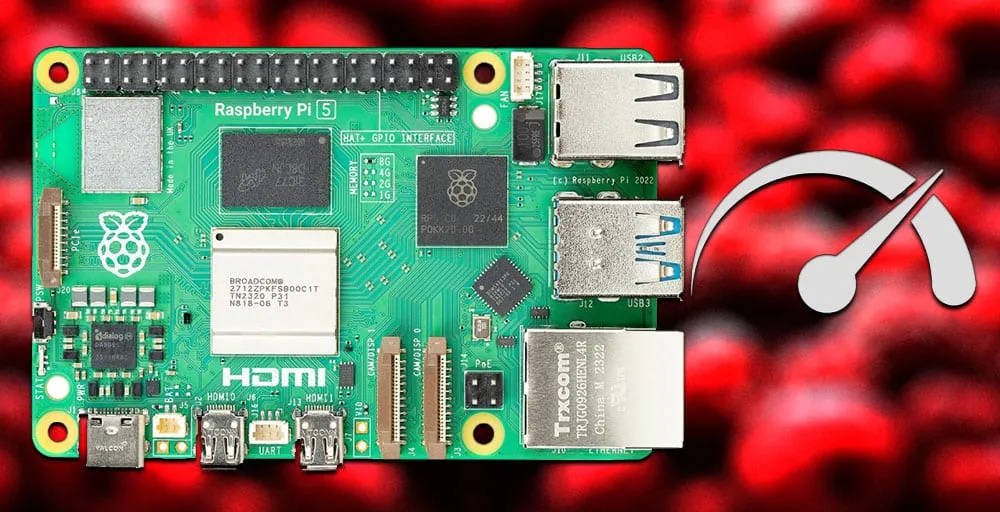
The key point for buyers is that the memory on these boards is soldered: there is no module to upgrade later. The capacity decision is made once, at purchase, and cannot be fixed with a kit afterwards. That is why the adjustment to the 2 GB versions has a direct effect: anyone who needs that tier will pay more for a board they will not be able to expand either.
The practical comparison means reviewing the whole range. If the project fits in 1 GB, those versions have not gone up and remain the cheapest option in the catalogue. If the workload needs more headroom, it is worth working out the jump from 2 GB to 4 GB with the new prices, because the increase narrows the gap between the two tiers. And if the build relies on a Compute Module, the 2 GB ones stay as they are for now.
Raspberry Pi keeps supply flowing despite the increase
The memory crisis is not, so far, slowing the company down. In the first half of 2026 it booked $256.9 million in revenue, up 90% year on year, with 4.2 million boards shipped and 2.6 million units pending shipment. Part of that resilience comes from Raspberry Pi having bought memory inventory at lower prices before the shortage worsened, and the company says it has enough memory bought or contracted to meet its 2026 production targets, while also securing supply for 2027.
With that backing, the increase on the 2 GB versions works as a margin adjustment rather than a supply problem. For anyone who already owns the board, nothing changes; for anyone weighing up a purchase, the usual advice is reinforced: pick the capacity around the real workload, because on these boards there is no second chance to expand it.