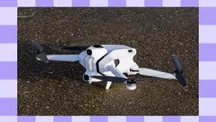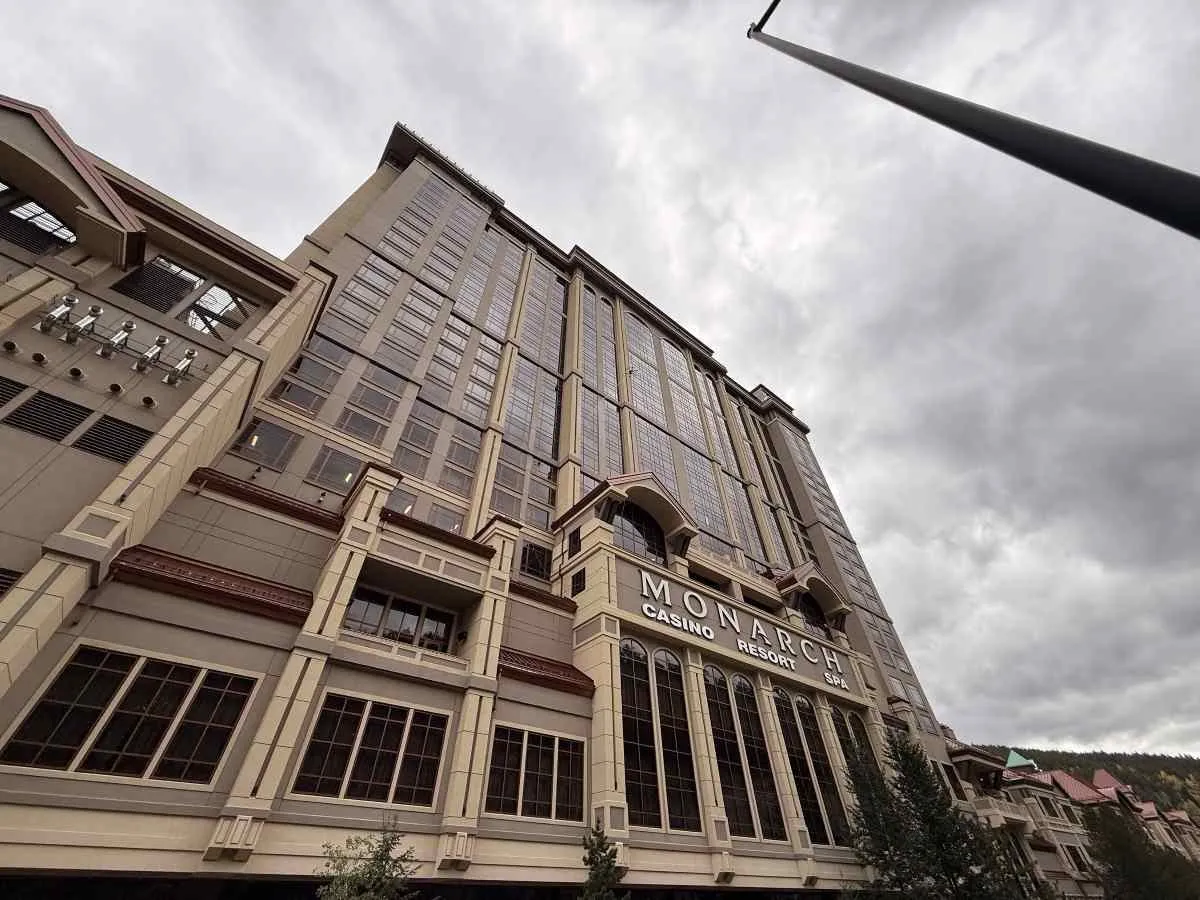
Lucid Bots has unveiled Sherpa HighLine, a motorized pulley system that mounts on the rooftop and supports the hose from above, so the cleaning drone does not have to carry its full weight as it climbs a facade. The company tested it in late September on the 23-story Monarch Casino Resort Spa tower in Black Hawk, Colorado, where the drone reached 280 feet (about 85 meters) above the ground. The operation was carried out alongside BlackJet Drone Solutions, MG Cleaning Systems and Oklahoma Drone Technologies.
The problem: the hose gets heavier the higher it goes
A cleaning drone has to deal with more than its own weight when it climbs a building. The Sherpa is fed by a ground-based pump, so it also trails a cleaning hose, along with the liquid flowing inside it. The higher it flies, the more hose it has to lift.
That limits operators who want to clean tall buildings. One common workaround is to use thinner hoses to lighten the load, but a smaller diameter also reduces water flow and can slow down cleaning.
What HighLine changes
Lucid Bots’ system tackles the problem from the top. HighLine mounts on existing rooftop equipment and holds the hose from that point: as the Sherpa climbs, the pulley system carries part of the hose’s weight instead of leaving all of it to the drone. According to the company, that gives more room to work at height and opens the door to larger-diameter hoses capable of delivering more flow.
“Supporting the hose from the rooftop changes the equation,” says Robert Blank, Lucid Bots’ vice president of research and development, in the company’s announcement. He adds that the approach could allow operators to pursue greater working heights while using hoses that provide more flow.
The Colorado demonstration had an added factor: Black Hawk sits at roughly 8,000 feet above sea level, where thinner air makes generating lift more challenging. Reducing the load the Sherpa carries becomes particularly useful under those conditions. Oklahoma Drone Technologies owner Parker Eakins explains that the roof configuration and available launch points prevented the team from starting at the top and working downward, so the crew cleaned from the ground up while the drone climbed the 23 stories. “The HighLine supported the hose as we climbed, allowing us to reach the full 280-foot height of the building,” he says.
What is known and what remains to be defined
For commercial cleaning companies, the implication goes beyond a height record. Reaching taller structures could open up buildings that were previously difficult or impractical to clean with a drone, as well as cover more of a building within a single contract. Higher flow, combined with suitable pumps and nozzles, could also cut the time spent per building and let crews move on to the next job sooner.
The figures are worth treating with caution. Lucid Bots has not yet published a maximum working height for Sherpa HighLine: testing continues, and the final specifications and operating requirements will be known as development progresses. The company’s chief executive, Andrew Ashur, describes the Monarch Casino demonstration as “a milestone, not a ceiling,” and says they are still working toward greater heights.
Availability is staged as well. Lucid Bots plans a limited release in the fourth quarter of 2026 and full production for early 2027. Operators can reserve a spot with a $250 refundable deposit that is credited toward the purchase price, and the purchase is subject to operator approval and required training. The company has more than 400 operators across more than 40 states and three continents.