Amazon is negotiating to move about $8 billion worth of Nvidia GPUs off its balance sheet. According to a Financial Times report citing people familiar with the talks, the company would place thousands of Grace Blackwell accelerators in a special purpose vehicle (SPV) funded by outside investors and then lease them back so it can keep using them. The plan is not closed and comes from anonymous sources, so it should be read as an ongoing negotiation, not a confirmed fact.
What Amazon proposes for its GPUs
In the deal described by the British newspaper, the vehicle would be backed by outside investors and could offer them up to 10% of the equity. Amazon would keep access to the chips through a lease agreement, so its compute capacity would not change, but the asset and its depreciation would leave its books. The goal cited by the sources is to strengthen the balance sheet: instead of bearing alone the loss of value of aging hardware, part of that risk is shared with third parties.
The chips involved are Grace Blackwell, Nvidia’s data-center family, not its consumer GeForce cards. That detail matters for reading the story correctly: the deal would affect Amazon’s cloud infrastructure, not the graphics cards that reach stores.
GPUs are already used as a financial asset
The move fits a broader trend: using Nvidia GPUs as financing collateral. In August, the company announced a $500 billion plan alongside Blackstone, Apollo and KKR so AI developers can take out loans backed by their chips. A Reuters report published on October 1 says part of Wall Street views that plan with suspicion and is asking for stronger guarantees.
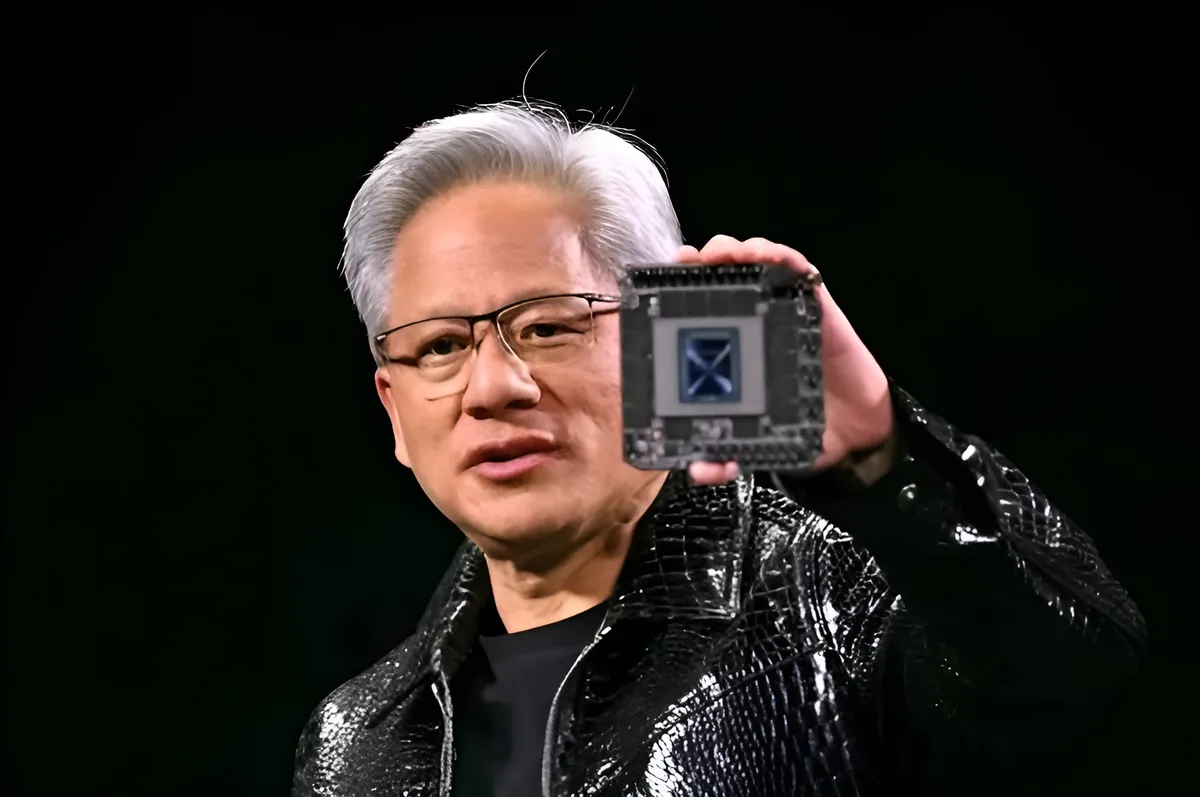
The disagreement stems from the hardware’s useful life. Jensen Huang, Nvidia’s chief executive, argues that its high-end GPUs can generate revenue for up to a decade. A company spokesperson told Reuters that “AI compute is a productive, durable and fungible asset that can support long-term financing.” Independent analysts take a more conservative view: Andrew Chang, of S&P Global Ratings, acknowledges the chips “work well beyond five years,” but says his agency takes “a conservative view of the value of those chips.”
“Banks typically underwrite GPUs over a 3-4 year depreciation schedule,” Tony Trzcinka, of Impax Asset Management, told the outlet, against the decade Nvidia defends. That gap translates into stricter terms: according to Loren Moran, of Wellington Management, investors will demand higher interest rates and greater protections before financing chip-backed loans.
Nvidia has offered residual value guarantees of up to 25% in some deals. The company itself points out that Barkr, a firm that values AI collateral, estimates a useful life of 9 to 10 years for its GB300 NVL72 systems. There are already precedents in the market: CoreWeave closed an $8.5 billion GPU-backed loan rated A3, and Broadcom backstopped more than 80% of a $35 billion structure to finance Anthropic capacity.

What changes for the user
For someone buying a consumer graphics card, Amazon’s plan does not change prices or availability in the short term: these are data-center accelerators. What matters is the debate it exposes. The same question a bank asks —how much value a GPU retains over the years— is the one any buyer asks when reselling a card.
If the financial market ends up discounting that value faster than the manufacturer claims, the cost of financing AI infrastructure will rise and that pressure will move through the supply chain, an area that has already seen moves such as the rise in graphics card prices in China driven by Nvidia’s shift toward AI.