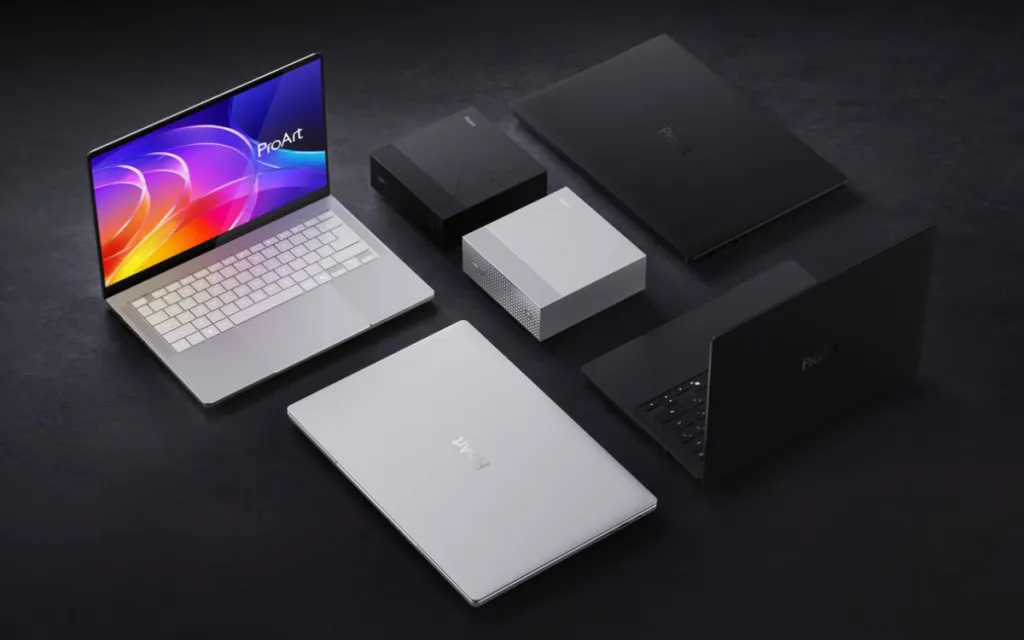
Asus Unveils ProArt P16 and P14 with RTX Spark: Up to 128 GB of Unified Memory
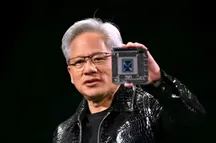
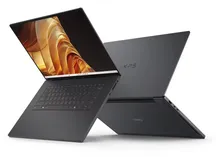
After presenting them at Computex 2026, Asus is now accepting reservations for the ProArt P16 and ProArt P14 laptops, the brand’s first machines to feature Nvidia’s RTX Spark platform. This isn’t about gaming: it targets creators and developers who want to handle AI workloads and heavy rendering locally without relying on the cloud. The interest lies in the Blackwell GPU and how it combines with the Grace CPU under a single memory space.
What the RTX Spark Platform Brings
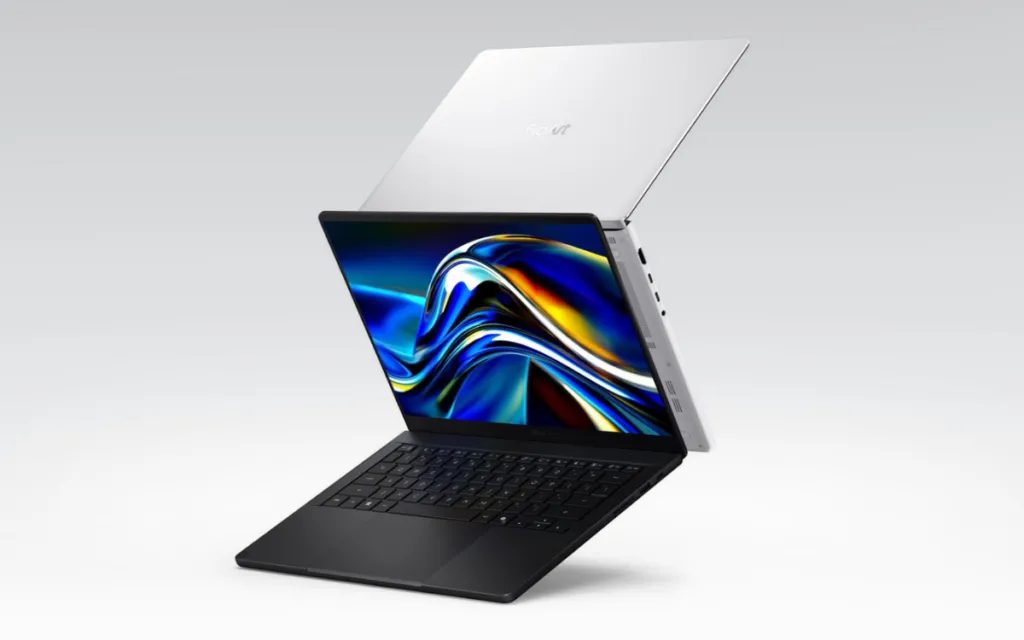
RTX Spark joins two pieces that would live separately in a conventional Windows PC: an Arm Grace CPU with up to 20 cores and a Blackwell GPU with up to 6,144 CUDA cores. Both share a single unified memory pool of up to 128 GB, an approach designed to avoid the bottleneck typically caused by dedicated memory when the model of the moment doesn’t fit in the card’s VRAM.
According to Asus, this combination reaches up to 1 petaflop of FP4 performance and allows running language models with up to 120 billion parameters on the machine itself with a context window of one million tokens. It should be read as what it is: a figure from the manufacturer, not an independent measurement.
Local GPU for Heavy Workloads
The argument for shared memory makes more sense in tasks that until now forced round trips to the cloud: rendering complex 3D scenes, editing video at 12K resolution, or chaining generative AI workflows. Solving them locally changes the cost and privacy equation because usage-based payments disappear and files don’t leave the machine.
Asus accompanies the hardware with software to make the most of it: MuseTree for generating images locally with FLUX and WAN models, StoryCube for organizing material with AI, native ComfyUI support, and a partnership with Nous Research to integrate Hermes Agent, an open-source autonomous agent. It’s the same direction Nvidia has been preparing with CUDA on Windows on Arm, the ground RTX Spark needs for the tooling ecosystem not to fall behind.
Screens, Design and Autonomy
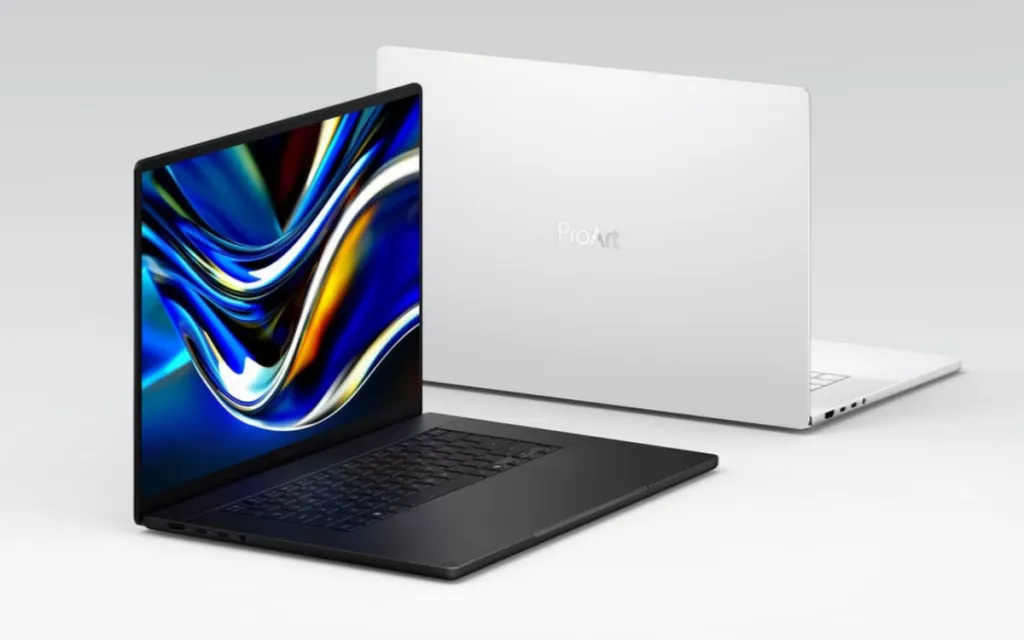
Both models use Lumina Pro OLED panels with a 120 Hz variable refresh rate, 100% DCI-P3 coverage, up to 1,600 nits of peak brightness in HDR, plus anti-reflective coatings. The difference lies in resolution: the P16 reaches 4K and adds compatibility with Nvidia G-Sync, while the P14 stays at 3K.
The rest of the package doesn’t neglect mobility. The ProArt P16 measures 12.9 mm thick and weighs 1.77 kg, with a 99.9 Wh battery; the ProArt P14 drops to 13.9 mm and 1.48 kg, with 90 Wh. Both include Wi-Fi 7, USB4, and an extensive port offering for their size.
Price, Availability and What Changes for the Reader
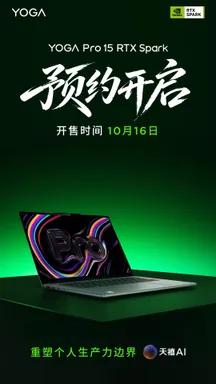
Reservations are open starting October 7 and shipments in the United States will begin on October 16. The base model starts at $2,599.99, a US market price. Configurations with 24 to 48 GB of memory will be sold through Best Buy and Asus’s own store, while those with 64 and 128 GB will go through Asus Store, Best Buy, and Micro Center.
These ProArt machines aren’t volume products: they’re a bet on bringing AI workloads to the desktop and charging for them as hardware rather than subscription. For the reader comparing alternatives, the real reference is no longer a previous generation but other unified memory laptops that attack the same niche from AMD’s side. Anyone needing that volume of memory for local models will have to weigh the upfront cost against recurring API spending in the cloud.