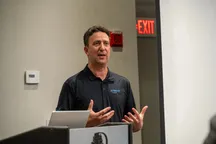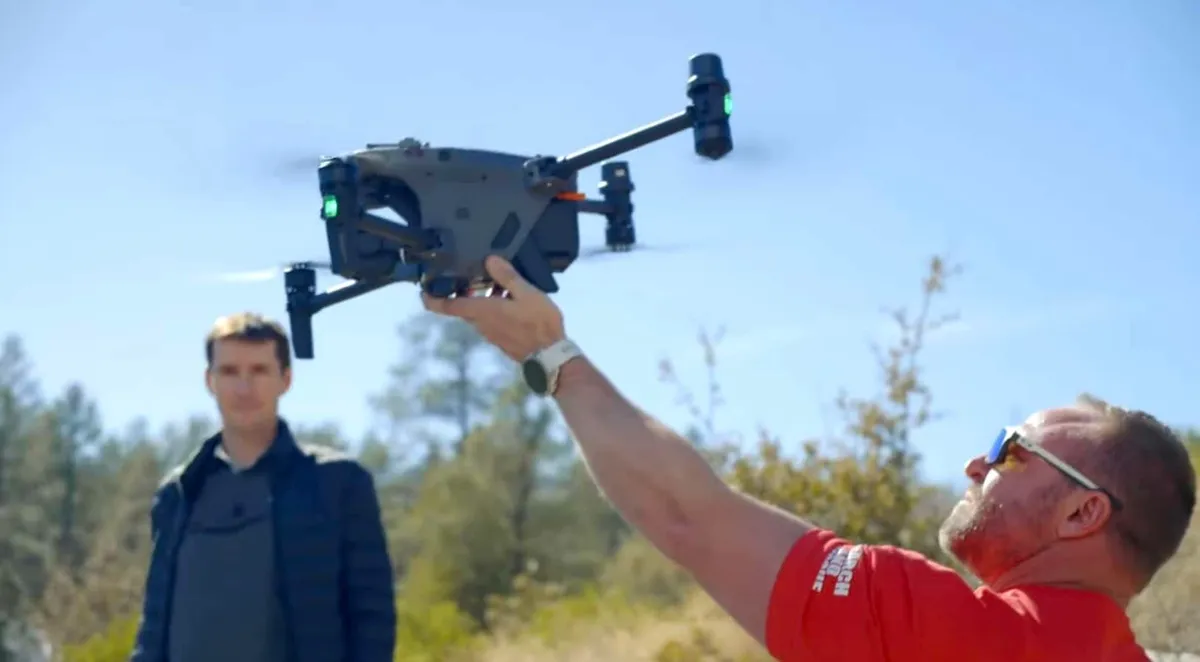
Captain Kyle Nordfors, the drone coordinator for Weber County Search and Rescue in Utah, published an opinion piece in The Hill on October 2 arguing that the Federal Communications Commission’s proposal to ban foreign-made drones would cost lives. His volunteer unit credits those aircraft with saving between 25 and 30 lives and with cutting its average search time from four and a half hours to under one.
What the FCC ban would prohibit and why it reaches search and rescue
The proposal, filed as PS Docket 26-189, would bar the import and sale of foreign-made drones carrying a thermal camera or LiDAR, among other categories. Nordfors says that description covers nearly every aircraft his team flies, including the one that found a snowboarder in the dark two years ago.
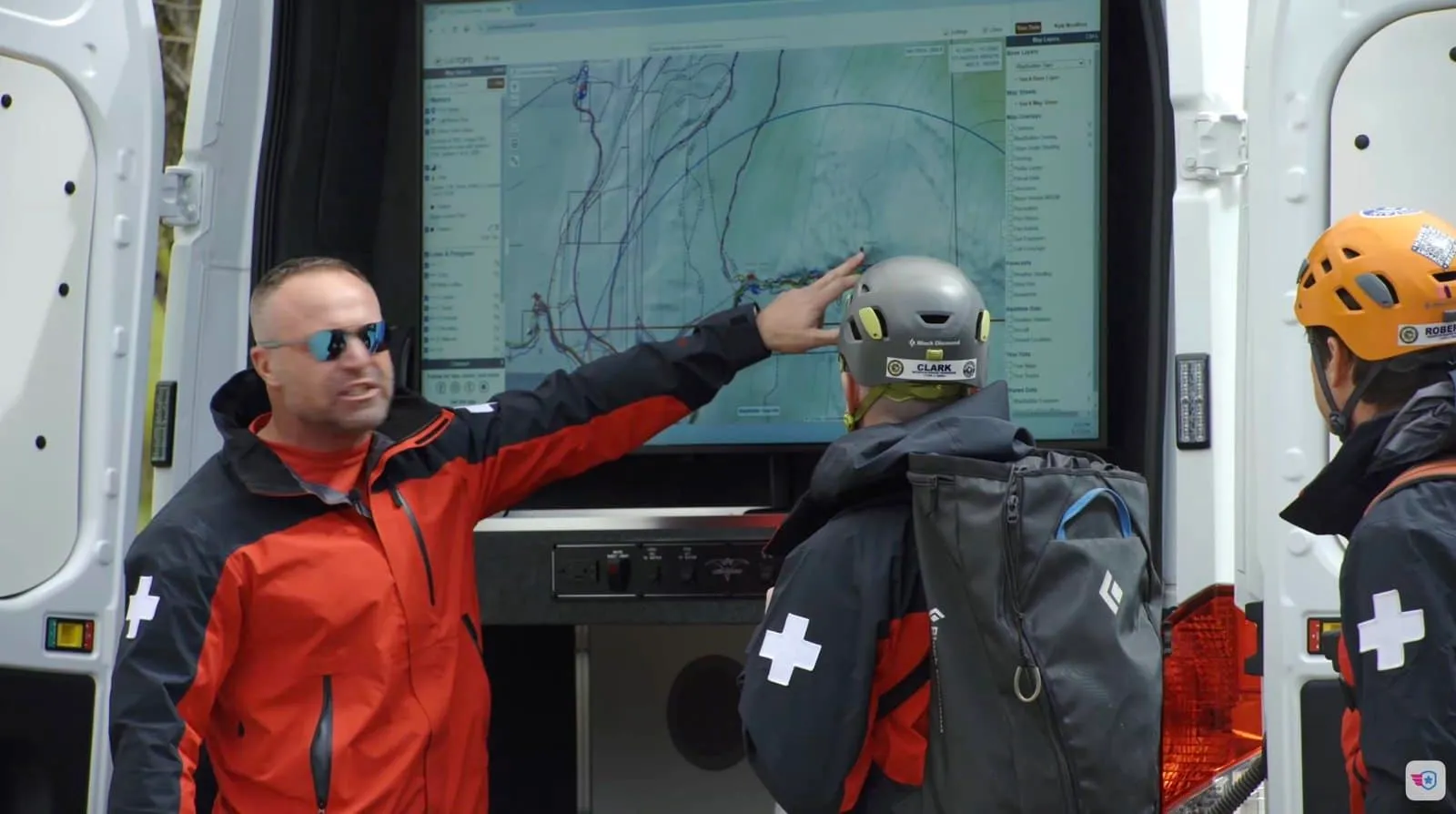
The argument rests on concrete figures. Weber County bought its entire fleet of 12 drones for roughly $90,000, according to the piece. A helicopter costs millions before crew, fuel and standby time. In the snowboarder rescue, the thermal drone had him located in 10 minutes, hours faster than a ground team or a helicopter launch would have been.
The domestic alternative does not match the fleet
Nordfors says he has tested the US-made drones and that none of them matches his current fleet. The companies lined up to replace it charge three to eight times as much and deliver less than half the capacity, with shorter flight times, weaker thermal sensors and less reliable performance in high winds and cold. “I have tested them, and none have been able to match what my team’s current fleet can do,” he writes.
The federal government’s own test lab reached a similar conclusion. A Department of Homeland Security (DHS) addendum marked for official use only, released on October 1, scored the Matrice 30T at 4.3 out of 5 at Hudson Yards, against 3.7 for the Skydio X10D, and put the Matrice 4T at 4.6, the highest mark of any aircraft in the Blue UAS series. The two DJI aircraft outscored the Blue UAS they were compared with on all nine criteria, and DHS left those scores out of the public report.
The policy tension: 16 comments against 3,824
Nordfors cites Pilot Institute’s analysis of the docket, which reviewed and coded the 3,824 filings with readable text: 98.6 percent of the comments opposed the proposal and only 16 supported it. On the economic-impact question, 1,701 filings weighed in and only one agreed with the FCC.
The proposal’s own tentative economic analysis concluded the impact would be minor and contained, because domestic production is more prevalent in the higher-end categories. The comment record, and the cost figures Nordfors provides, point the other way.
He closed his piece with the same invitation he had already extended to the Commission: come to Utah and watch a search. “See side-by-side how the American drones match up to the equipment you want to ban,” he wrote. A month after the record closed, the FCC has issued no order.
Nordfors is the sUAS team coordinator for Weber County Search and Rescue and the UAS chairman of the Mountain Rescue Association, which covers more than 90 rescue teams in North America. He is a 25-year aviation veteran and a Boeing 737 captain for a US airline.
The case illustrates a tension that goes beyond a single docket: the push to close the market to foreign manufacturers on national-security grounds collides with emergency units that depend on those aircraft. In parallel, fifteen states are suing the FAA over its environmental approval of drone delivery in the United States, another piece of the same regulatory fight.