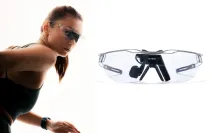
Norway wants to put the brakes on glasses that record without anyone noticing. The Norwegian government has proposed a temporary ban on camera-equipped smart glasses in public spaces, a measure born from fears of covert recording that, if passed, would change where and how these devices can be used.
What Norway proposes and where it would apply
The initiative comes from Digitalization Minister Torgeir Micaelsen. His argument is straightforward: allowing someone to record audio, take photos or shoot video without the people next to them knowing creates an unsafe environment in which citizens end up withdrawing from public life.
The temporary ban would not be blanket. It would focus on the places where privacy expectations are highest or where children gather: schools, kindergartens, playgrounds, youth clubs, healthcare facilities and gym changing rooms. Lawmakers are also looking at extending it to broader areas such as beaches, parks, museums, shopping centers, concerts and sports venues.
Private use at home would remain allowed. The temporary pause would give an expert panel time to evaluate device categories and draft permanent national rules. Exceptions are also being built in for vulnerable groups and socially beneficial uses, so that accessibility tools such as real-time translation or navigation assistance stay protected.
A global backlash that keeps growing
Norway’s proposal lands amid a wider offensive against wearable cameras. According to the figures cited, Meta has sold more than 9 million pairs of its glasses since early 2023, and restrictions are already piling up outside Norway.
In the United Kingdom, cinema associations, pub chains and restaurant owners have limited their use over piracy and privacy fears. In the Netherlands, eyewear retailer Hans Anders suspended sales of Ray-Ban Meta while waiting for regulatory guidance. In France, child welfare groups have reported several cases of women being recorded without consent using these glasses for viral pranks, a matter that has reached the Paris prosecutor’s office. In California, Governor Gavin Newsom vetoed a law that would have penalized covert recording in private spaces.
Meta maintains that its hardware solutions — such as the blinking front LED that disables the camera if covered — provide adequate warning. Organizations such as Privacy International disagree: they argue that a tiny light is not enough to stop unwanted surveillance. The debate is not exclusive to Europe; Australia has already expanded its ban on smart glasses and added new cities and schools.
What changes for smart glasses users
For the everyday user, the practical message is that privacy stops being a spec-sheet detail and starts conditioning how the device is used. At home, nothing changes. Outside, the trend is for more and more spaces — and not only sensitive ones — to set limits.
There is one nuance worth holding onto: the exceptions in favor of accessibility. If these glasses help you translate a conversation or find your way, Norway’s proposal keeps them out of the ban; if your main use is recording the person in front of you without them knowing, the room is shrinking.
The debatable point is enforcement. Restricting camera glasses in changing rooms or schools makes sense; enforcing that across an entire park or a beach is another matter. If what you want is a discreet camera to wear, this is not the best moment to buy blind; if what you want is to listen to music or get directions, regulatory pressure should not reach you.